Post by : Monika
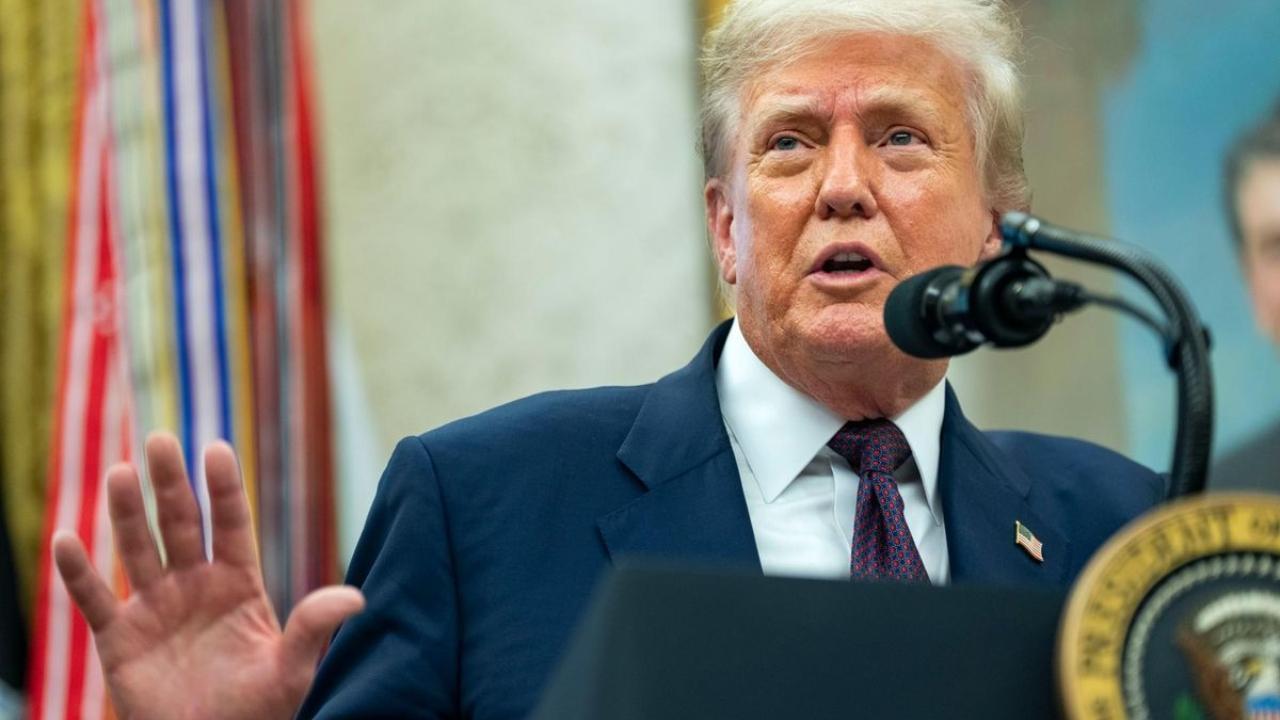
Photo: AP
On August 7, 2025, President Donald Trump announced and started new tariffs on goods imported from over 60 countries, including big trading partners like India and the European Union. Tariffs are taxes added to imported products. The goal of these new charges is to help American businesses by encouraging companies to make products in the U.S. instead of importing them from other countries.
However, while these tariffs aim to help American workers and manufacturers, many experts worry that they might cause prices to rise, make it harder for some companies to operate, and possibly slow down the economy. This move has stirred strong reactions both inside and outside the United States.
What Are the New Tariffs?
The tariffs vary by country, with some facing heavier charges than others. Here’s a breakdown:
European Union (EU), Japan, and South Korea: These countries face a 15% tariff on many of their exported goods to the U.S. This means if a product costs $100 to make, an extra $15 tax will be added when it is brought into the U.S.
Taiwan and India: They face tariffs as high as 50%. India’s high rate partly comes because it still buys oil from Russia, which the U.S. government is trying to discourage.
Switzerland: Among developed nations, Switzerland faces the highest tariff at 39%.
China: The tariffs on Chinese products average around 34%, with an extra 20% tariff on certain items like cars.
Canada and Mexico: These two countries are not affected by the new tariffs because of the USMCA trade agreement, a deal that replaced NAFTA to protect trade between the U.S., Canada, and Mexico.
The administration’s hope is that by making imports more expensive, companies will choose to build factories and hire workers in America, helping the country’s manufacturing sector grow.
Why Is the U.S. Doing This?
President Trump and his team believe that the U.S. has been losing too many manufacturing jobs and that trade deficits — where the U.S. buys more from other countries than it sells — have hurt American workers. The tariffs are designed to make imported goods less competitive, encouraging both companies and consumers to buy American-made products.
By making foreign products more expensive, the government hopes to protect U.S. industries and bring jobs back to America, especially in manufacturing and heavy industry.
Concerns About the Tariffs
While the tariffs are intended to help the American economy, many experts and business leaders worry about their side effects:
Higher Prices for Consumers: Since tariffs increase the cost of imported goods, companies often pass these extra costs on to buyers. This can make everyday items more expensive for American shoppers.
Inflation: When many goods cost more, it can lead to inflation — a rise in the overall price levels in the economy. This makes money less valuable and can reduce people’s purchasing power.
Slower Hiring and Growth: Businesses that rely on imports might face higher costs, causing them to slow down hiring new workers or delay expanding their operations.
Trade Tensions and Retaliation: Other countries affected by these tariffs may respond by placing their own taxes on American goods, sparking trade wars. This can hurt American companies that export products abroad.
Disruption of Supply Chains: Many U.S. companies depend on parts and raw materials from different countries. Tariffs make these imports more expensive and may cause delays or shortages, impacting production.
Economists warn that these effects could slow down overall economic growth and even cause job losses in some industries.
International Reactions
How Are U.S. Businesses Affected?
American companies that use imported materials or products face several challenges:
Higher Costs: The tariffs increase the price of goods they need to operate. For example, manufacturers who rely on parts from abroad might pay more, which can reduce their profits or force them to raise prices.
Stock Market Reactions
Cautious Outlook: Investors remain careful about the long-term economic impact. Some sectors, like technology, may gain from less foreign competition, while others, such as manufacturing that relies on imports, might suffer.
At the same time, the risks of higher prices, slower economic growth, and possible trade conflicts remain real concerns. Finding a balance between protecting American workers and maintaining good relationships with trading partners will be critical.
Detail What Happened
The introduction of these new tariffs will test how well the American economy can handle higher import costs and trade pressures. While the goal is to strengthen U.S. industries and bring jobs back home, the path forward may include challenges like rising prices and diplomatic tensions.
How companies, consumers, and governments adapt will shape the U.S. economy’s future and its place in global trade. For now, businesses and citizens should prepare for changes in prices and availability of some goods, while keeping an eye on how these tariffs evolve and what new trade agreements might arise.










DAE Achieves Remarkable Growth in Q1 2026 With Record Revenue
Dubai Aerospace Enterprise announces impressive financial results for Q1 2026, reflecting a surge in

Price Increase for Sony PS5 in Southeast Asia Effective May 1
Sony announces a price increase for the PS5 across Southeast Asia starting May 1, 2026, impacting ga

Potential ‘Super El Niño’ in 2026: Understanding the Climate Risks
Could a Super El Niño emerge in 2026? Discover its implications and potential global climate impacts

Global Energy Crisis Intensifies: Markets React to Oil Supply Challenges
Markets are on edge as oil disruptions escalate, influencing prices and economic stability. Explore

Must-See Tourist Spots in London You Can't Overlook
Explore London's essential attractions, from royal landmarks to vibrant markets, ensuring an unforge

Ultimate Guide to Snagging Cheap Flights in 2026
Unlock the secrets to booking affordable flights in 2026 with insightful tips and strategies tailore




