Post by : Bianca Suleiman
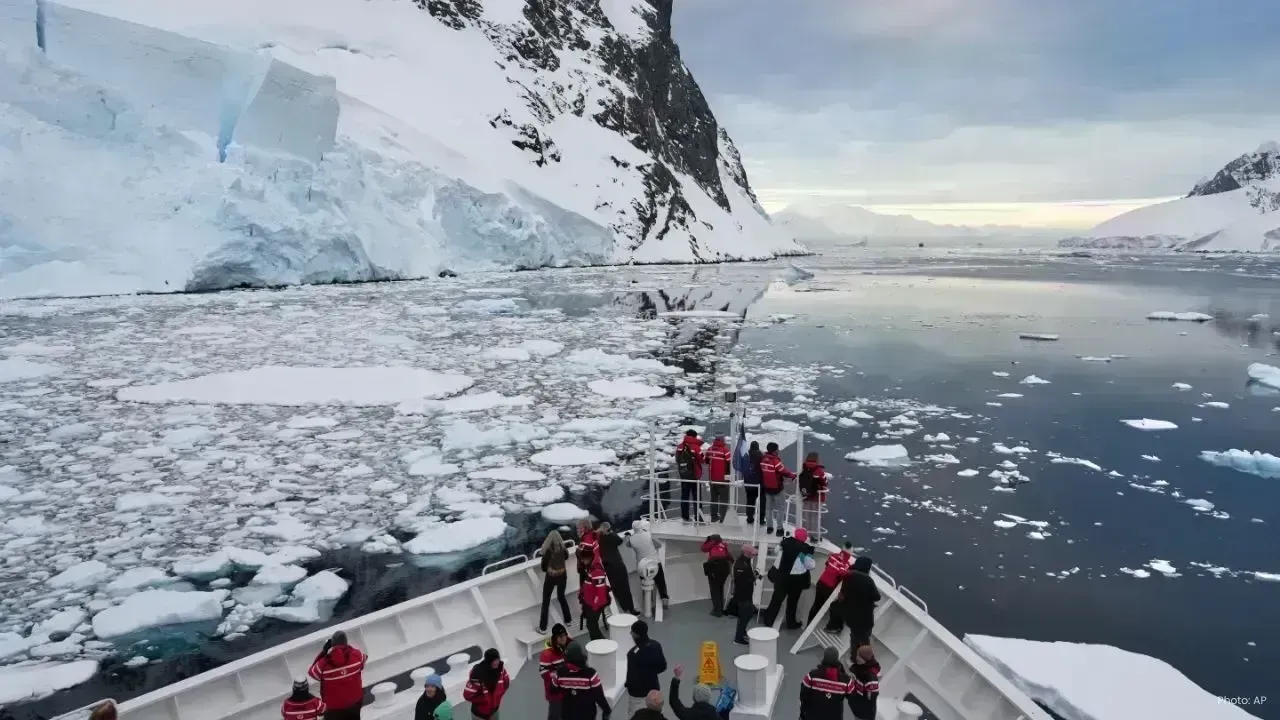
Antarctica is experiencing a significant uptick in tourism, propelled by alarming predictions that its icy landscapes may soon vanish due to climate change. Experts caution that this influx could lead to serious environmental risks, including ecosystem degradation, contamination, and the spread of diseases.
Despite the high costs and logistical challenges associated with traveling to such a remote area, visitor numbers are surging. Scientists and environmental advocates are sounding the alarm as more individuals venture into this delicate environment.
A recent event involving the cruise ship MV Hondius has brought these issues to the forefront, especially following a rare hantavirus outbreak during an extended polar expedition that attracted worldwide attention regarding the dangers of Antarctic tourism.
The Antarctic Peninsula, among the fastest-warming regions on Earth, is a popular destination for tourists. According to NASA, the continent has lost around 149 billion metric tons of ice yearly from 2002 to 2020.
Travelers usually embark from Argentina, heading towards Antarctica and then navigating north along Africa's coast.
The area's breathtaking wildlife, from whales and seals to penguins and colossal icebergs, continues to allure tourists. Environmental expert Claire Christian remarks that these unique sights leave a profound impression on visitors.
With tourism numbers soaring, 2024 saw over 80,000 tourists visit Antarctica, alongside an additional 36,000 observing from ships, as reported by the International Association of Antarctica Tour Operators. Over three decades, tourism has increased nearly tenfold.
Expectations indicate that this figure could escalate to over 400,000 annual visitors within the next ten years, driven by decreasing travel costs and more advanced vessels. Some tourists are drawn by the desire for “last chance tourism,” hoping to witness Antarctica before irreversible changes occur.
Yet, the surge in human presence intensifies the risk of contamination. The Centers for Disease Control and Prevention reports that diseases like avian flu have already breached Antarctica, carried by migratory birds.
In response, tour operators are implementing stringent hygiene protocols to safeguard both visitors and the environment. Travelers are required to thoroughly clean their footwear and gear to prevent harmful microbes, seeds, or insects from infiltrating the ecosystem. They are also advised to keep their distance from wildlife and minimize unnecessary contact with the ground.
Health concerns are a priority as well. Close quarters on cruise ships can facilitate the rapid spread of infections. Past incidents, particularly the COVID-19 outbreak on the Diamond Princess, highlight the speed at which viruses can propagate onboard.
The World Health Organization is investigating the hantavirus outbreak linked to the MV Hondius, with officials suspecting that the initial infection occurred before boarding.
Antarctica is governed by the Antarctic Treaty System, established in 1959 to ensure the continent remains a zone for peace and scientific exploration. However, specialists argue that these regulations were drafted when tourism levels were significantly lower.
Environmental organizations are now advocating for enhanced regulations to protect Antarctica's fragile ecosystem, including critical species like penguins, whales, seabirds, seals, and krill.
Interest in visiting Antarctica remains robust, but experts caution that even a single footprint can persist for decades, highlighting the region's sensitivity to human interference.








DAE Achieves Remarkable Growth in Q1 2026 With Record Revenue
Dubai Aerospace Enterprise announces impressive financial results for Q1 2026, reflecting a surge in

Price Increase for Sony PS5 in Southeast Asia Effective May 1
Sony announces a price increase for the PS5 across Southeast Asia starting May 1, 2026, impacting ga

Potential ‘Super El Niño’ in 2026: Understanding the Climate Risks
Could a Super El Niño emerge in 2026? Discover its implications and potential global climate impacts

Global Energy Crisis Intensifies: Markets React to Oil Supply Challenges
Markets are on edge as oil disruptions escalate, influencing prices and economic stability. Explore

Must-See Tourist Spots in London You Can't Overlook
Explore London's essential attractions, from royal landmarks to vibrant markets, ensuring an unforge

Ultimate Guide to Snagging Cheap Flights in 2026
Unlock the secrets to booking affordable flights in 2026 with insightful tips and strategies tailore




