Post by : Shweta
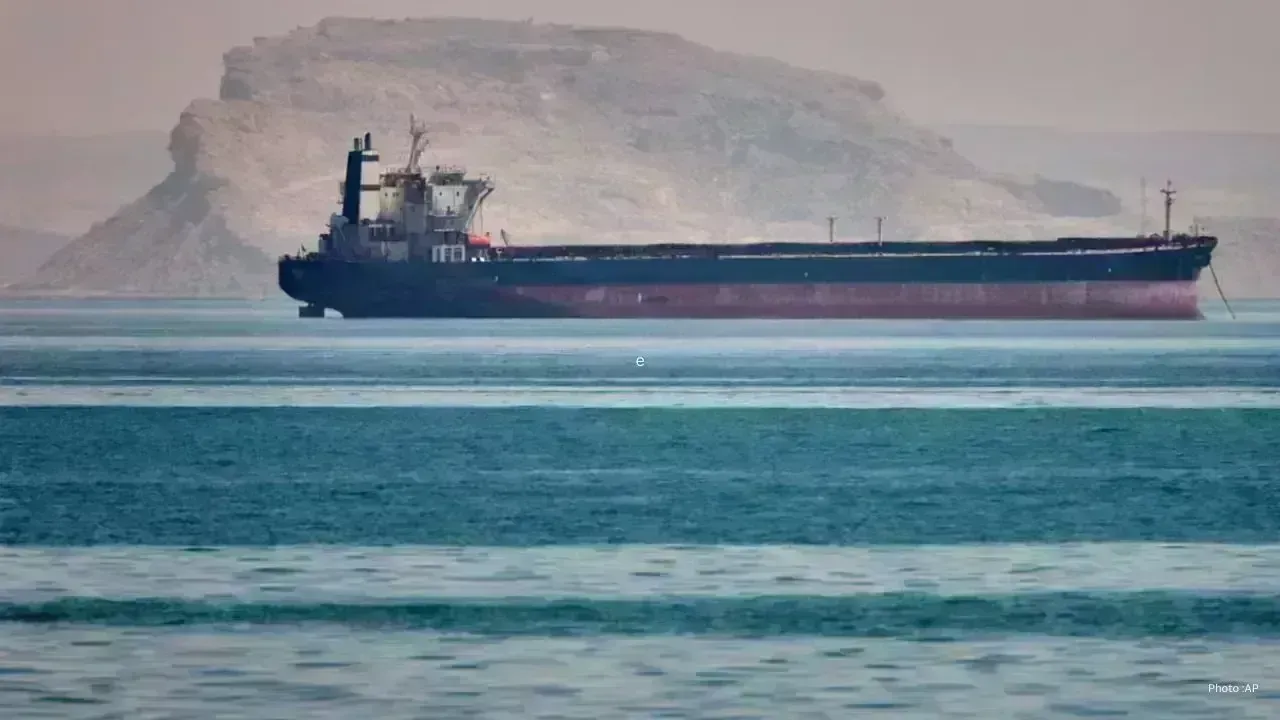
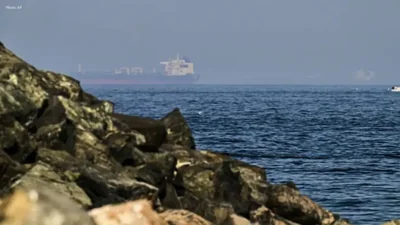
President Donald Trump has declared a temporary halt to the U.S. military-supported initiative that guides commercial ships through the Strait of Hormuz, aiming to afford more time for continued negotiations with Iran. This pivotal decision unfolds against the backdrop of heightened tensions in a region crucial for global oil transport.
The operation, dubbed “Project Freedom,” was initiated earlier this week in response to Iran's limitations on maritime traffic. This waterway is critical for nearly 20% of the world's oil supply, leading to concerns about potential fuel shortages and economic instability.
In a public statement, Trump noted that the decision to pause was made following “significant progress” in discussions with Iran, emphasizing requests from Pakistan and other nations for further time to engage diplomatically. Reports suggest that the U.S. views this suspension of military escorts as a potential pathway towards a broader peace deal.
Despite this pause, U.S. officials confirmed that the existing blockade on Iranian ports remains unaffected. The U.S. administration clarified that the suspension of Project Freedom is a strategic maneuver rather than a complete withdrawal of pressure on Iran, with diplomatic dialogue continuing behind closed doors.
The Strait of Hormuz has drawn international scrutiny following Iran's increased control over shipping following reported military actions earlier in the year, resulting in numerous vessels facing delays due to security fears. Project Freedom was framed as a defensive measure to safeguard civilian shipping.
Secretary of State Marco Rubio stated that the operation was essential in ensuring maritime safety for vessels navigating out of the Gulf. Nevertheless, hostilities persisted, exemplified by missile and drone activity amid the ongoing regional conflict, which analysts warn could severely impact global trade should confrontation ensue.
In reaction to Trump's announcement, oil prices dipped as traders interpreted the pause as a sign of easing military tensions. Financial analysts expressed optimism that diplomatic efforts could avert a larger conflict and stabilize energy availability.
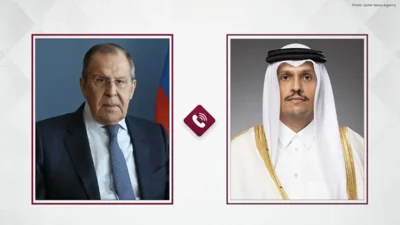
Simultaneously, diplomatic efforts surrounding the crisis are escalating, with Iranian Foreign Minister Abbas Araghchi meeting with Chinese officials, and Pakistan's mediating role between Washington and Tehran continuing. China has urged both parties to de-escalate and preserve vital global trade corridors.
While negotiations progress, the Gulf situation remains delicate. Iran has yet to confirm any agreement with the U.S., and experts point to persisting divisions over sanctions, nuclear issues, and military presence. Currently, the halt of Project Freedom serves as a crucial opportunity for diplomacy before tensions rise again.



DAE Achieves Remarkable Growth in Q1 2026 With Record Revenue
Dubai Aerospace Enterprise announces impressive financial results for Q1 2026, reflecting a surge in

Price Increase for Sony PS5 in Southeast Asia Effective May 1
Sony announces a price increase for the PS5 across Southeast Asia starting May 1, 2026, impacting ga

Potential ‘Super El Niño’ in 2026: Understanding the Climate Risks
Could a Super El Niño emerge in 2026? Discover its implications and potential global climate impacts

Global Energy Crisis Intensifies: Markets React to Oil Supply Challenges
Markets are on edge as oil disruptions escalate, influencing prices and economic stability. Explore

Must-See Tourist Spots in London You Can't Overlook
Explore London's essential attractions, from royal landmarks to vibrant markets, ensuring an unforge

Ultimate Guide to Snagging Cheap Flights in 2026
Unlock the secrets to booking affordable flights in 2026 with insightful tips and strategies tailore




