Post by : Saif Nasser
The ongoing conflict in the Middle East has taken another serious turn as Donald Trump announced an extension of the deadline for reopening the Strait of Hormuz. The new deadline has been set for April 6, giving more time for diplomatic efforts while tensions continue to rise.
The Strait of Hormuz is one of the most important waterways in the world. A large part of global oil supply passes through this narrow route. Any disruption in this area can quickly affect fuel prices and economies across the globe.
The United States had earlier warned that the strait must be reopened to ensure safe movement of oil tankers and cargo ships. However, due to ongoing conflict involving Iran and Israel, the situation remains uncertain.
The decision to extend the deadline suggests that the United States is trying to avoid immediate escalation. Instead of taking direct military action, it appears to be giving more time for negotiations and possible solutions.
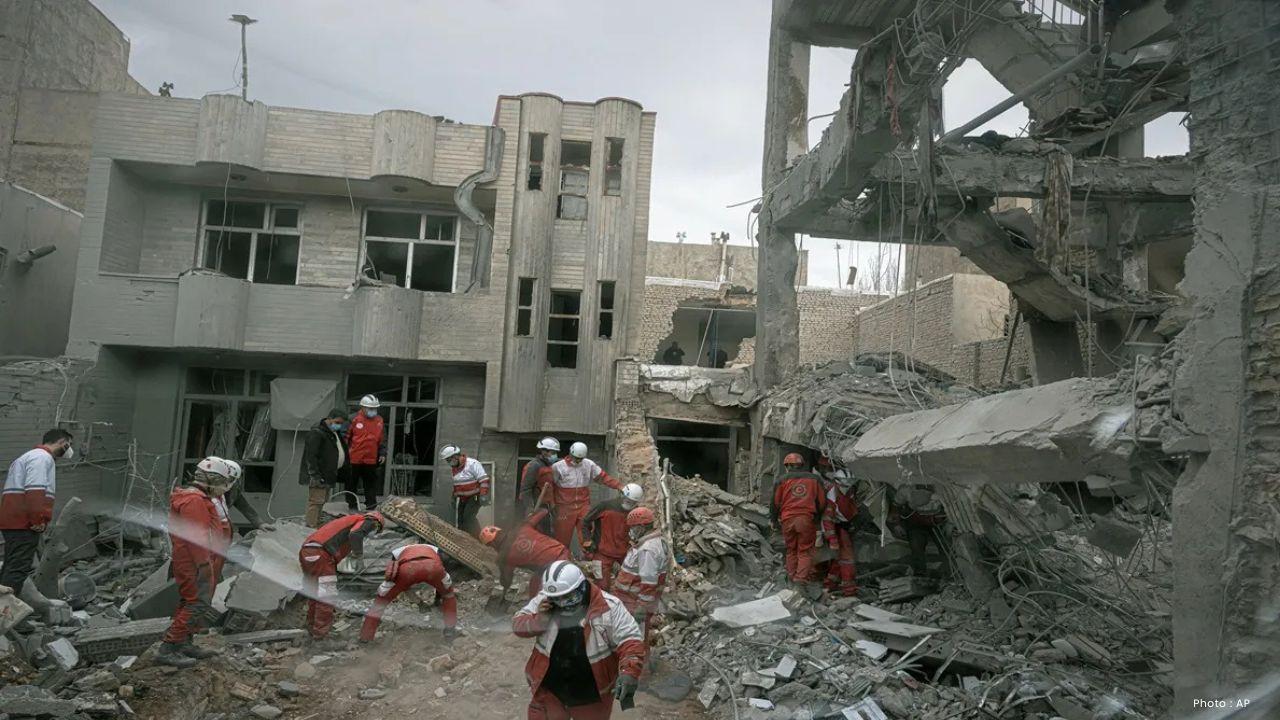
At the same time, the situation on the ground remains tense. Reports suggest that Israel has carried out strikes in Tehran, targeting key locations linked to Iran’s military and strategic infrastructure. These actions have increased fears of a wider regional conflict.
Iran has strongly reacted to these developments. It has warned that any further attacks could lead to serious consequences. The country has also been linked to disruptions in the Strait of Hormuz, although the situation remains complex and unclear.
The conflict is not limited to just two countries. It involves multiple players in the region, making it more difficult to control. This has raised concerns among global leaders, who fear that the situation could turn into a larger war.
For countries like India, the impact is already being felt. India depends heavily on oil imports, and any disruption in supply can lead to rising fuel prices and economic pressure. This is why many nations are closely watching the developments in the Strait of Hormuz.
The extension of the deadline also shows that diplomacy is still being considered. In international conflicts, deadlines are often used to push for action. By extending the timeline, the United States is signaling that it prefers a peaceful solution if possible.
However, the risk of escalation remains high. Military actions, warnings, and counter-warnings are increasing on all sides. In such a situation, even a small incident can lead to a bigger conflict.
The global oil market is already reacting to the uncertainty. Prices have shown fluctuations as traders try to understand what might happen next. Any further disruption in the Strait of Hormuz could lead to sharp increases in energy costs.
This situation also highlights the importance of secure trade routes. The Strait of Hormuz is not just important for oil but also for global trade. Its stability is critical for the smooth functioning of the world economy.
Inside the region, the human cost of the conflict is also a concern. Military actions often lead to loss of life and damage to infrastructure. As tensions rise, the risk to civilians also increases.
The coming days will be crucial. The April 6 deadline now acts as a new point of focus. Whether it leads to negotiations or further conflict will depend on how the involved countries respond.
In the end, the extension of the deadline offers a small window of hope. It gives time for dialogue and possible compromise. But it also shows how serious and fragile the situation has become.
The world is watching closely, hoping that tensions will ease rather than escalate. The stakes are high, not just for the Middle East, but for the entire global community.







Mattel Revives Masters of the Universe Action Figures Ahead of Film Launch
Mattel is reintroducing Masters of the Universe figures in line with its upcoming film, tapping into

China Executes 11 Members of Criminal Clan Linked to Myanmar Scam
China has executed 11 criminals associated with the Ming family, known for major scams and human tra
US Issues Alarm to Iran as Military Forces Deploy in Gulf Region
With a significant military presence in the Gulf, Trump urges Iran to negotiate a nuclear deal or fa

Copper Prices Reach Unprecedented Highs Amid Geopolitical Turmoil
Copper prices soar to all-time highs as geopolitical tensions and a weakening dollar boost investor

New Zealand Secures First Win Against India, Triumph by 50 Runs
New Zealand won the 4th T20I against India by 50 runs in Vizag. Despite Dube's impressive 65, India