Post by : Mikhael Nasser
As individuals reach the age of 30, many begin to experience noticeable changes in their bodies, such as increased joint pain, stiffness, fatigue, and slower recovery from exercise. Medical experts attribute these changes primarily to a decline in bone density and strength, as the body becomes less efficient at creating new bone tissue and absorbing essential minerals like calcium.
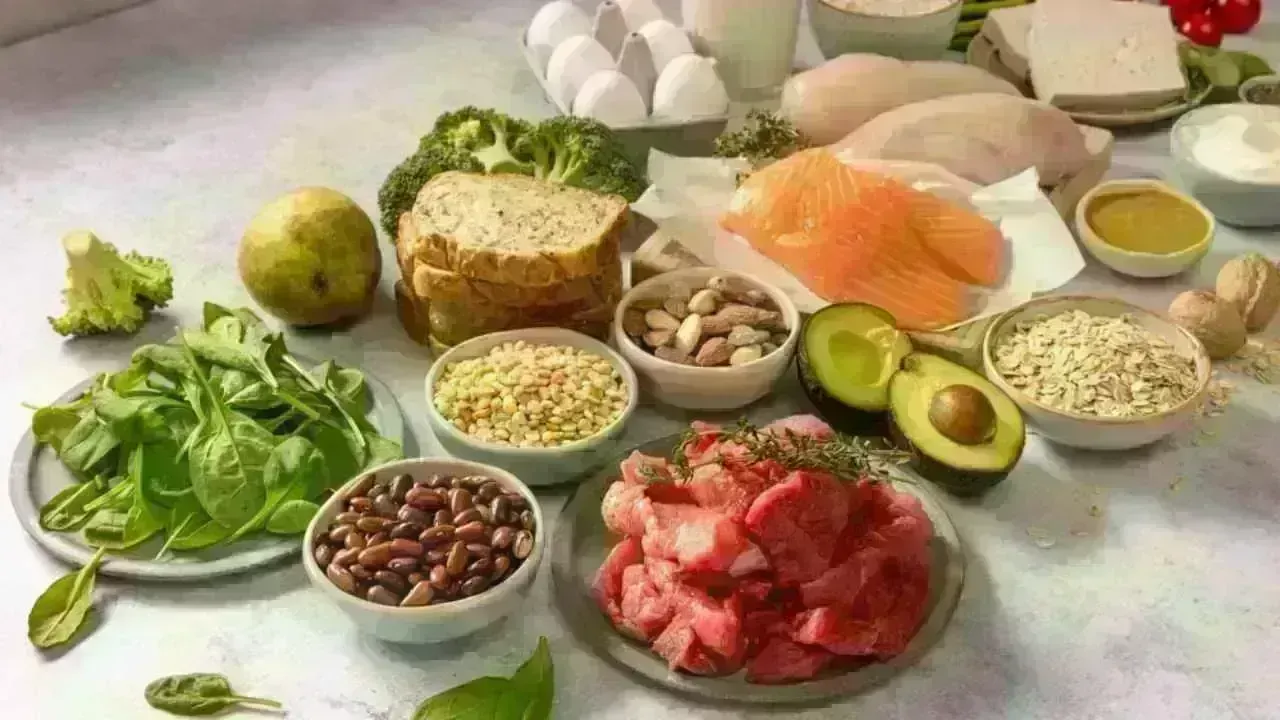
Fortunately, it is possible to enhance bone health through thoughtful dietary choices. Nutritionists emphasize that incorporating foods abundant in calcium, vitamin D, magnesium, and protein can significantly bolster bone strength and avert premature bone loss, often without the need for supplements.
Below is a comprehensive look at five foods you should include in your daily diet to strengthen your bones.
Dairy items like milk and yogurt are celebrated for their contributions to bone health due to their rich content of calcium, fortified vitamin D, and protein, essential for the nurturing and maintenance of strong bones.
How they contribute:
Calcium is fundamental to the bone matrix.
Vitamin D enhances calcium absorption in the body.
Protein aids in the repair and strength of bones.
A single cup of milk or a bowl of yogurt can fulfill a large portion of your daily calcium requirements. Opting for plain or low-sugar yogurt provides all the benefits without the added sugars.
Vegetables such as spinach, kale, and collard greens are treasure troves of minerals essential for bone health, particularly calcium, magnesium, and vitamin K.
Benefits for your bones:
Vitamin K promotes bone density and decreases fracture risk.
Magnesium aids in the effective utilization of calcium.
Leafy greens provide easily absorbable plant-based calcium.
Including a serving of leafy vegetables in your meals can significantly enhance your bone strength over time.
Though small, nuts are nutrient-dense foods that can significantly benefit bone health, with almonds recognized for their particularly high magnesium content.
Why nuts matter for your bones:
Magnesium activates vitamin D, facilitating better calcium absorption.
Nuts supply healthy fats and protein, making bones more flexible.
Antioxidants found in nuts help alleviate inflammation around joints.
Consuming a small handful of nuts each day can play a vital role in maintaining bone health without excessive calories.
Vitamin D is crucial for optimal calcium absorption. While sunlight is the most effective source, eggs also provide this important nutrient, especially in the yolk.
Advantages of eggs for your bones:
Vitamin D aids in the absorption of calcium.
Protein supports the repair and maintenance of bone tissue.
Vitamin B12 enhances bone strength, particularly in older adults.
Incorporating an egg into your daily diet can greatly benefit your bone health.
Fish varieties such as salmon, sardines, and mackerel are rich in vitamin D, calcium, and omega-3 fatty acids, all vital for strong bones.
How fatty fish support bone health:
Vitamin D aids in preventing bone thinning.
Omega-3 reduces inflammation and enhances mobility.
Fish protein strengthens both muscle and bone tissue.
Experts recommend enjoying fatty fish twice a week to support your bones.
After turning 30, several biological changes occur:
Bone-building activity in the body diminishes.
Hormonal changes impact calcium utilization.
Extended periods of inactivity weaken bones.
Limited exposure to sunlight decreases vitamin D absorption.
Unhealthy dietary habits can compromise nutrient intake.
This highlights the importance of prioritizing nutrition and lifestyle choices as you age.
In addition to consuming the right foods, adopting these habits can further solidify your bone health:
Limit sun exposure to boost vitamin D levels.
Engage in regular physical activity, including walking and strength training.
Avoid smoking and limit alcohol consumption.
Maintain a healthy weight to relieve stress on bones.
Reduce your intake of soft drinks and processed foods that may hinder calcium levels.
Every small decision you make contributes to protecting your bone health in the long run.
Your bones work hard for you every day, making it crucial to care for them after 30. Foods like dairy products, leafy greens, nuts, eggs, and fatty fish deliver vital nutrients necessary for strong bones. Together with exercise and adequate sunlight, these foods help prevent bone loss, alleviate discomfort, and shield against fractures.
Healthy bones form the basis of an active, confident life. The sooner you invest in their care, the more robust your long-term mobility and overall health will be.
This article is intended for general informational purposes only and should not replace professional medical advice. Readers facing health issues such as osteoporosis, significant vitamin deficiencies, food allergies, or chronic joint pain should consult a healthcare provider or nutrition expert before making any dietary changes. Nutritional needs can vary greatly among individuals, and what works for one person may not be appropriate for another. Always seek personalized advice from a qualified medical professional regarding bone health.










Anticipated Dates for UAE Eid Al Adha 2026 Unveiled by Astronomical Experts
Experts predict Eid Al Adha 2026 in the UAE to start on May 27, prompting early holiday planning amo

DAE Achieves Remarkable Growth in Q1 2026 With Record Revenue
Dubai Aerospace Enterprise announces impressive financial results for Q1 2026, reflecting a surge in

Price Increase for Sony PS5 in Southeast Asia Effective May 1
Sony announces a price increase for the PS5 across Southeast Asia starting May 1, 2026, impacting ga

Potential ‘Super El Niño’ in 2026: Understanding the Climate Risks
Could a Super El Niño emerge in 2026? Discover its implications and potential global climate impacts

Global Energy Crisis Intensifies: Markets React to Oil Supply Challenges
Markets are on edge as oil disruptions escalate, influencing prices and economic stability. Explore

Must-See Tourist Spots in London You Can't Overlook
Explore London's essential attractions, from royal landmarks to vibrant markets, ensuring an unforge




