Post by : Anees Nasser
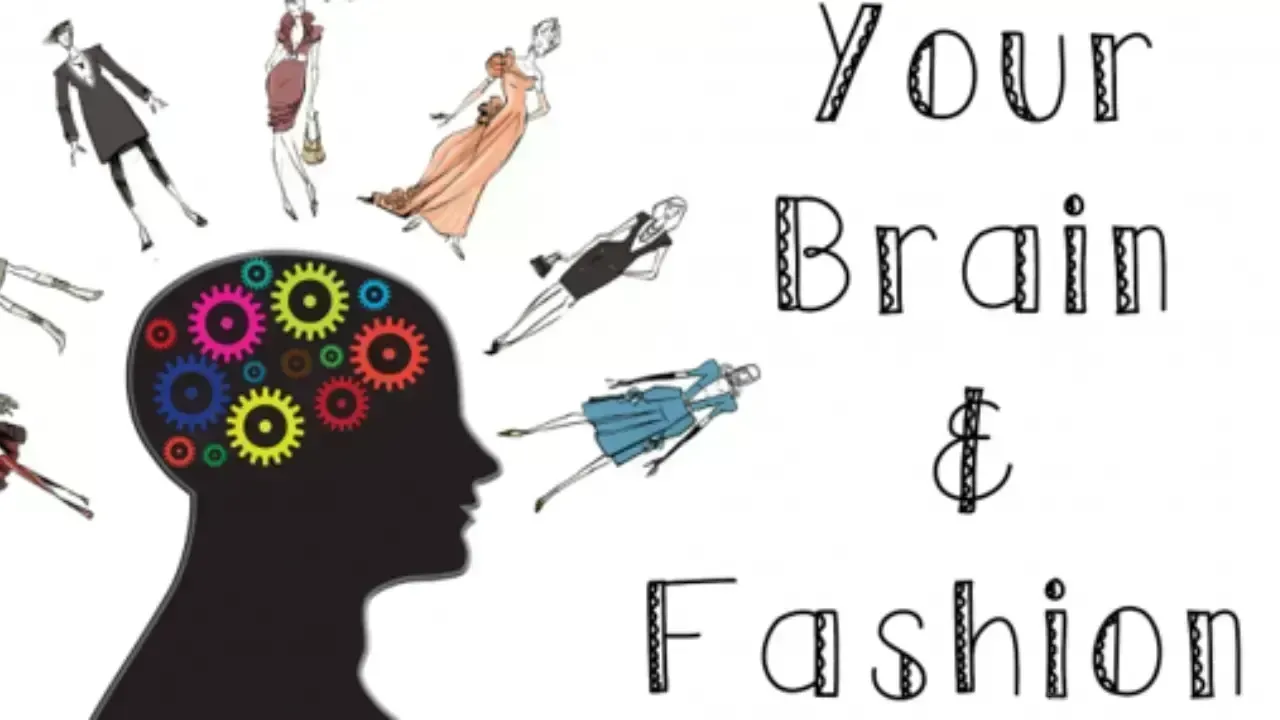
Fashion often receives a superficial judgment, yet beneath the surface lies a complex interplay of human behavior. While many claim they dress for practicality or comfort, their clothing selections often unveil deeper emotional and psychological motivations. Our attire is seldom coincidental; it reflects subconscious desires, social cues, personal narratives, and our intent to shape how we are perceived.
The psychology behind fashion operates quietly, guiding decisions before rational thought takes over. To comprehend fashion is not merely to analyze fabric or trends—it is to delve into the workings of the human psyche.
Since ancient times, humans have utilized appearance as a form of communication. Clothing has evolved into a silent language, transmitting messages about status, identity, safety, and belonging.
Today, fashion remains a form of non-verbal communication. Within moments, judgements are often made regarding one's competence, confidence, openness, and authority based on attire. These assumptions may not always be correct, but they are nonetheless instinctive.
What individuals seek from fashion is interpretive control—the ability to influence how others perceive them prior to verbal interaction.
At its essence, fashion fulfills a fundamental psychological impulse: the longing to belong.
Human beings are acutely aware of social dynamics. Clothing allows individuals to signal their alignment with various groups—be they cultural, professional, or ideological. Adhering to fashion norms helps minimize social friction and the risk of ostracism.
The rapid dissemination of trends often springs from this desire. Participating in trends serves not only admiration for style but also reassurance that one is in harmony with their surroundings.
What people genuinely seek is comfort through conformity.
Simultaneously, there is a yearning for individuality. The delicate balance between standing out and fitting in drives the fashion narrative.
While individuals seek to feel unique, they also dread feeling isolated. Fashion enables a safe expression of uniqueness within social norms, through subtle twists or variations, allowing one to be recognized without vulnerability.
This explains why avant-garde styles seldom attain mainstream acceptance; most prefer clarity to confusion.
Fashion embodies the balance between self-expression and societal acceptance.
Our clothing choices often signify desired feelings rather than our current states.
In times of uncertainty, attire can serve as armor—favoring structured shapes, darker hues, and understated styles can instill a sense of stability during turbulent periods.
Conversely, feelings of confidence may lead individuals towards vibrant colors and experimental designs.
Fashion thus functions as a mechanism for emotional regulation, encompassing both psyche and physicality.
Status remains an intrinsic driving force, even in modern societies that profess egalitarianism.
While some avoid blatant displays of wealth, understated indicators still play a vital role. Quality, fit, and familiarity with nuanced style codes communicate one’s status.
Interestingly, conspicuous luxury may reflect insecurity, while those who feel secure often prefer understated expression.
What people yearn for is not dominance, but the assurance of not feeling subordinate.
Identity is fluid, constantly being shaped and reshaped. Fashion offers a tangible avenue for individuals to experiment with their evolving selves.
Life changes—such as new jobs or personal transformations—often alter one’s style, enabling a synchronization between external presentation and inner identity.
This explains why certain outfits evoke a stronger sense of self; it’s not merely the clothing, but the resonance with one’s internal narrative.
Fashion grants individuals the liberty to become who they aspire to be.
Comfort in fashion is equally a mental and physical construct.
People often revert to silhouettes or styles that evoke emotional stability. A familiar coat, a favored color palette, or a beloved cut may evoke feelings of safety.
In turbulent times, fashion usually skews conservative; this isn’t due to a lack of appreciation for novelty, but rather a quest for predictability during overwhelming moments.
Comfort dressing is not a sign of laziness—it’s a form of emotional self-care.
The experience of trend fatigue is increasingly prevalent, and several psychological factors illuminate this phenomenon.
Trends create a demand for continuous adaptation, provoking anxiety rather than exhilaration for many.
Consequently, many are gravitating towards personal consistency and away from frenzied trend participation, seeking not to eliminate fashion, but to regain control.
What people truly desire is stability in self-perception, not ceaseless reinvention.
Clothing encapsulates memories.
Certain pieces become emotional touchstones, linked to relationships or significant life events. These garments are cherished long after their physical use.
This connection elucidates why organizing wardrobes can trigger emotional responses; relinquishing clothing often means releasing fragments of one’s identity.
Fashion serves as a vessel for personal history.
Contemporary consumers show heightened awareness towards inauthenticity, a trend evident in both branding and fashion.
People gravitate towards styles that resonate with honesty and intention. Overly performative expressions of identity are increasingly eschewed.
Authenticity in fashion is not synonymous with simplicity, but rather coherence. When garments align with individual values and environment, they feel genuine.
Individuals seek attire that mirrors who they are, not who they feel compelled to portray.
Historically, fashion has imposed stringent norms. Today's shift is centered on autonomy, not merely aesthetic choices.
Individuals desire liberation from arbitrary limitations. Gender-neutral designs, relaxed cuts, and versatile silhouettes illustrate a wish for unrestricted movement, both physically and mentally.
This is less about discarding tradition, but rather about releasing constraints.
Fashion transforms into a medium for claiming personal power.
One commonly misconstrued aspect of fashion psychology pertains to aspirational buying.
Individuals frequently acquire clothing for envisioned scenarios—events or versions of themselves that seem just beyond their reach. These purchases serve as embodiments of hope rather than regrets.
Even unworn items hold psychological value as they represent potential.
People’s wants are often less about practicality and more about possibilities.
The extremes of fashion often reflect deep-seated emotional states.
Minimalism may signpost clarity, control, or emotional fatigue while maximalism conveys joy and visibility.
Neither is inherently preferable; they are responses stemming from internal landscapes rather than design preferences.
Recognizing this fosters appreciation of diverse style choices, showcasing fashion as a form of emotional articulation rather than a hierarchy of taste.
Despite feeling personalized, fashion choices are often constrained by availability and marketing trends.
Many believe they exercise free will in their selections, yet underlying influences often manipulate their preferences pre-decision.
What individuals yearn for is not boundless choice, but meaningful options—those that resonate deeply rather than overwhelm.
Visibility in fashion can be a double-edged sword.
Outfits invite scrutiny, exposing wearers to potential misjudgments. This reality often results in many defaulting to safer clothing choices, despite admiration for bolder styles.
What people actually want is visibility minus the peril.
Fashion endures because it addresses psychological needs that are fundamentally human.
As long as people pursue belonging, identity, control, comfort, and significance, fashion will continue to thrive. Its evolution comes not purely from designers but from an evolving understanding of human psychology.
Fashion is inherently deep—it is a form of symbolism.
At its core, fashion goes beyond the need to impress. It centers on managing internal emotional states within a social framework.
What individuals seek is:
A sense of belonging without disappearing
Self-expression without exposure
Security without constraint
Growth without loss of self
Attire becomes the link between inner feelings and the external world.
The intricate psychology of fashion reveals that style ventures beyond mere attire—it questions why we choose to wear what we do.
Fashion mirrors our vulnerabilities, desires, fears, and aspirations and serves as an everyday tool for navigating identity, emotions, and society.
Understanding fashion is not about predicting what’s next. It’s about comprehending human experiences.
Disclaimer:
This article is for informational purposes only and does not constitute psychological, medical, or professional advice.






DAE Achieves Remarkable Growth in Q1 2026 With Record Revenue
Dubai Aerospace Enterprise announces impressive financial results for Q1 2026, reflecting a surge in

Price Increase for Sony PS5 in Southeast Asia Effective May 1
Sony announces a price increase for the PS5 across Southeast Asia starting May 1, 2026, impacting ga

Potential ‘Super El Niño’ in 2026: Understanding the Climate Risks
Could a Super El Niño emerge in 2026? Discover its implications and potential global climate impacts

Global Energy Crisis Intensifies: Markets React to Oil Supply Challenges
Markets are on edge as oil disruptions escalate, influencing prices and economic stability. Explore

Must-See Tourist Spots in London You Can't Overlook
Explore London's essential attractions, from royal landmarks to vibrant markets, ensuring an unforge

Ultimate Guide to Snagging Cheap Flights in 2026
Unlock the secrets to booking affordable flights in 2026 with insightful tips and strategies tailore




