Post by : Sami Jeet
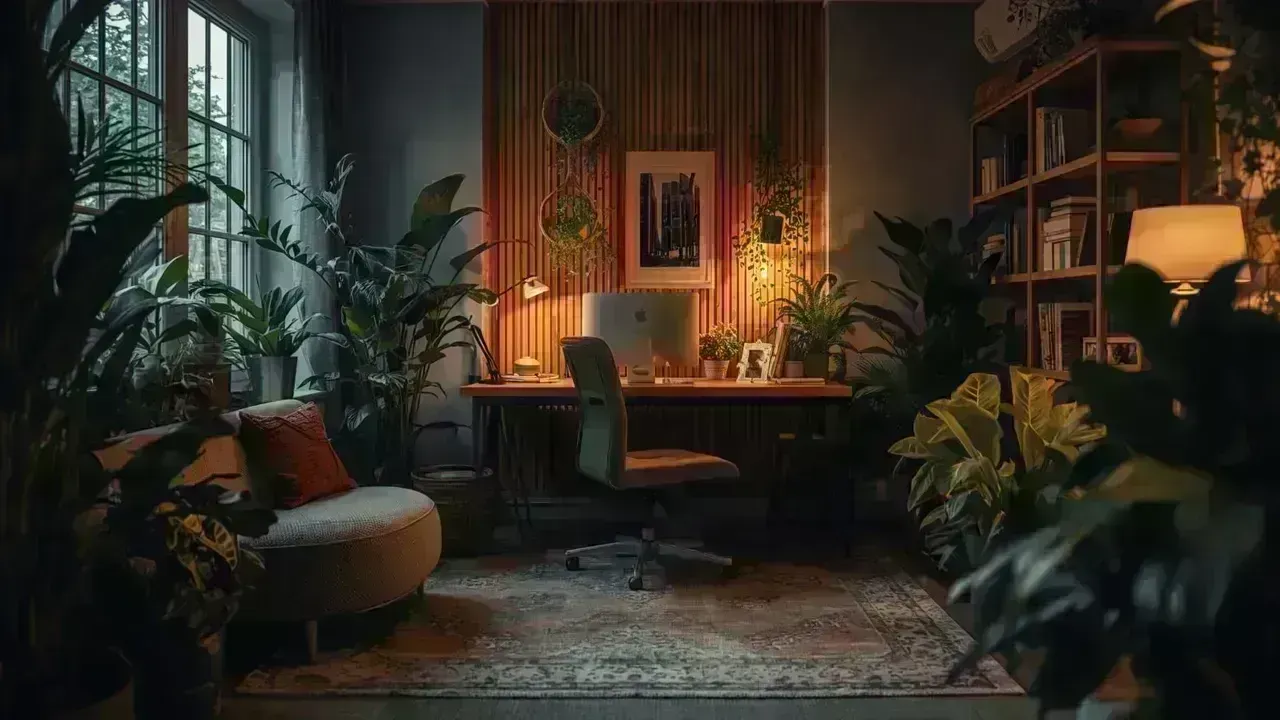
Certain work environments instantly feel welcoming. You take a seat, breathe easily, and find your focus without questioning why. In contrast, some spaces can feel draining, uncomfortable, or distracting, despite appearing modern or lavish. This distinction is not by chance. The comfort of a workspace arises from intentional design, human-focused planning, and psychological signals that significantly affect individuals' feelings and outputs.
Comfort in workspaces isn’t merely about high-end furniture or stylish aesthetics; it’s about how the environment supports individual physical and mental needs, as well as daily activities. This article delves into what truly instills comfort in workspaces and emphasizes why these aspects matter more than visual appeal alone.
Many equate visual aesthetics with comfort, but true tranquility is felt both physically and mentally.
A comfortable workspace:
Alleviates physical tension
Reduces mental exhaustion
Encourages concentration and calmness
Feels organic, not forced
When these factors are harmonized, relaxation occurs without conscious effort to assess the surroundings.
One of the main drivers of instant comfort is natural light.
Humans are inherently predisposed to react positively to natural daylight. Exposure to natural light can enhance mood, regulate sleep patterns, and boost energy.
Workspaces flooded with daylight:
Feel spacious and unrestricted
Heighten attention and concentration
Minimize fatigue and headaches
Enhance awareness of time
In contrast, solely artificial lighting, especially if harsh or uneven, can lead to discomfort, despite a seemingly bright environment.
Lighting coming from the side or above at subtle angles tends to feel more natural than harsh overhead glare. Well-balanced lighting helps mitigate shadows and visual strain.
True workspace comfort includes subtle support for the human body.
Ergonomic seating designed to support the spine, hips, and shoulders alleviates discomfort without requiring attention. Uncomfortable furniture is quickly noted; however, an ideal chair is easily forgotten.
Correct desk height aids in maintaining natural arm position while ensuring screens are at eye level. Misalignment can lead to neck, wrist pain, and overall fatigue.
Settings that permit subtle movement—like standing, stretching, or changing positions—are generally more comfortable compared to rigid arrangements.
Comfort defines itself as the absence of discomfort, rather than merely the presence of elegance.
Many uncomfortable workplaces suffer from inadequate thermal regulation.
A workspace that is too chilly causes muscle tension, whereas excessive warmth drains energy. An ideal workspace sustains a comfortable temperature that remains unobtrusive.
Stagnant air can lead to fatigue and irritability. Proper ventilation enhances oxygen supply, clarity, and overall comfort.
Workspaces characterized by clean air and stable temperatures foster a sense of well-being and serenity.
Noise can quickly transform a workspace into an uncomfortable environment.
Consistent chatter in the background
Sudden loud interruptions
Echoes within open-plan spaces
Mechanical sounds from devices
Effective workplaces manage sound rather than entirely eliminate it. Background noise, acoustic panels, and strategic layouts can mitigate distractions without creating an overly silent or tense atmosphere.
The right sound environment allows the brain to relax and concentrate.
Comfortable workspaces facilitate seamless navigation.
When individuals can easily discern where to sit, move, collaborate or concentrate, stress levels decrease. Confusing layouts heighten cognitive load.
Layouts that provide both collaboration zones and quiet areas feel more adaptable than a one-size-fits-all approach.
People tend to feel more secure when they have control over their work environment.
A crowded atmosphere can heighten discomfort.
An appropriate distance between seating arrangements and walkways ensures people feel respected and at ease.
Low walls, plants, or furniture arrangements create psychological boundaries without isolating individuals.
Comfort enhances as individuals perceive they have their own space within a collaborative setting.
Colors significantly influence emotional well-being.
Soft neutrals induce tranquility
Warm hues invite approachability
Natural tones lessen mental strain
Bright or harsh colors may provide momentary stimulation but often lead to discomfort over time.
Well-organized environments feel lighter and more pleasant. Cluttered visuals can escalate stress, even if unnoticed consciously.
Comfort encompasses multiple senses.
Natural elements like wood, textiles, and matte finishes feel more inviting than cold, shiny surfaces.
Too many patterns or shiny surfaces can overwhelm the senses.
Comfortable environments strike a balance in textures without distraction.
Immediate comfort extends beyond the physical—it's deeply emotional.
Spaces that feel neutral, respectful, and welcoming evoke a sense of immediate emotional comfort.
When areas clearly support their intended function—whether it be focus, collaboration, or creativity—individuals feel more inclined to use the space effectively.
Ambiguity breeds discomfort; clarity fosters tranquility.
Settings that can adjust to diverse needs offer greater long-term comfort.
People shift their working styles regularly. Adaptable furniture and multi-functional spaces allow for personal preferences.
When individuals can manipulate their environment—whether it be lighting, seating, or layout—overall comfort enhances substantially.
Such choices alleviate tension.
No matter how well-designed, a workspace loses its appeal if neglected.
Ordered desks, clean floors, and well-kept communal areas can significantly reduce hidden anxieties.
Broken furniture, flickering lights, and unreliable equipment can induce pervasive stress.
Comfort relies on dependability.
Technological tools should facilitate productivity, not create interruptions.
Discreet cables, appropriately placed screens, and smoothly functioning tools minimize disruptions.
Slow technology or malfunctioning equipment can render spaces uncomfortable.
True comfort incorporates reliable functionality.
A workspace environment should mirror its users.
Design decisions that recognize local cultures, values, and working styles enhance comfort.
Creative teams require different comfort elements compared to finance units.
Spaces become more inviting when they are purpose-aligned.
High-cost designs don’t guarantee comfort.
Many simplistic offices feel superior because they:
Prioritize functionality
Minimize disturbances
Honor human needs
Avoid excessive design
True comfort is about practicality, not ornamentation.
Environments that ensure comfort yield:
Increased focus and efficiency
Reduced stress and burnout
Enhanced collaboration
Higher job satisfaction
Employees not only perform better—they also feel better.
Workspaces naturally become inviting when human needs are prioritized. Elements like light, air, sound, layout, and ergonomics collaborate to cultivate comfort. It’s essential to recognize that comfort isn’t merely a trend or luxury—it’s a fundamental aspect of effective work.
The most thriving workspaces are those where individuals grow oblivious to their surroundings and can fully concentrate on their tasks.
This article serves as general informational content. Individual workspace comfort will vary based on personal preferences, job functions, and physical requirements. The perspectives shared here should not replace professional architectural, ergonomic, or medical guidance. Readers should seek expertise before implementing major changes in workspace design.










Anticipated Dates for UAE Eid Al Adha 2026 Unveiled by Astronomical Experts
Experts predict Eid Al Adha 2026 in the UAE to start on May 27, prompting early holiday planning amo

DAE Achieves Remarkable Growth in Q1 2026 With Record Revenue
Dubai Aerospace Enterprise announces impressive financial results for Q1 2026, reflecting a surge in

Price Increase for Sony PS5 in Southeast Asia Effective May 1
Sony announces a price increase for the PS5 across Southeast Asia starting May 1, 2026, impacting ga

Potential ‘Super El Niño’ in 2026: Understanding the Climate Risks
Could a Super El Niño emerge in 2026? Discover its implications and potential global climate impacts

Global Energy Crisis Intensifies: Markets React to Oil Supply Challenges
Markets are on edge as oil disruptions escalate, influencing prices and economic stability. Explore

Must-See Tourist Spots in London You Can't Overlook
Explore London's essential attractions, from royal landmarks to vibrant markets, ensuring an unforge




