Post by : Saif Nasser
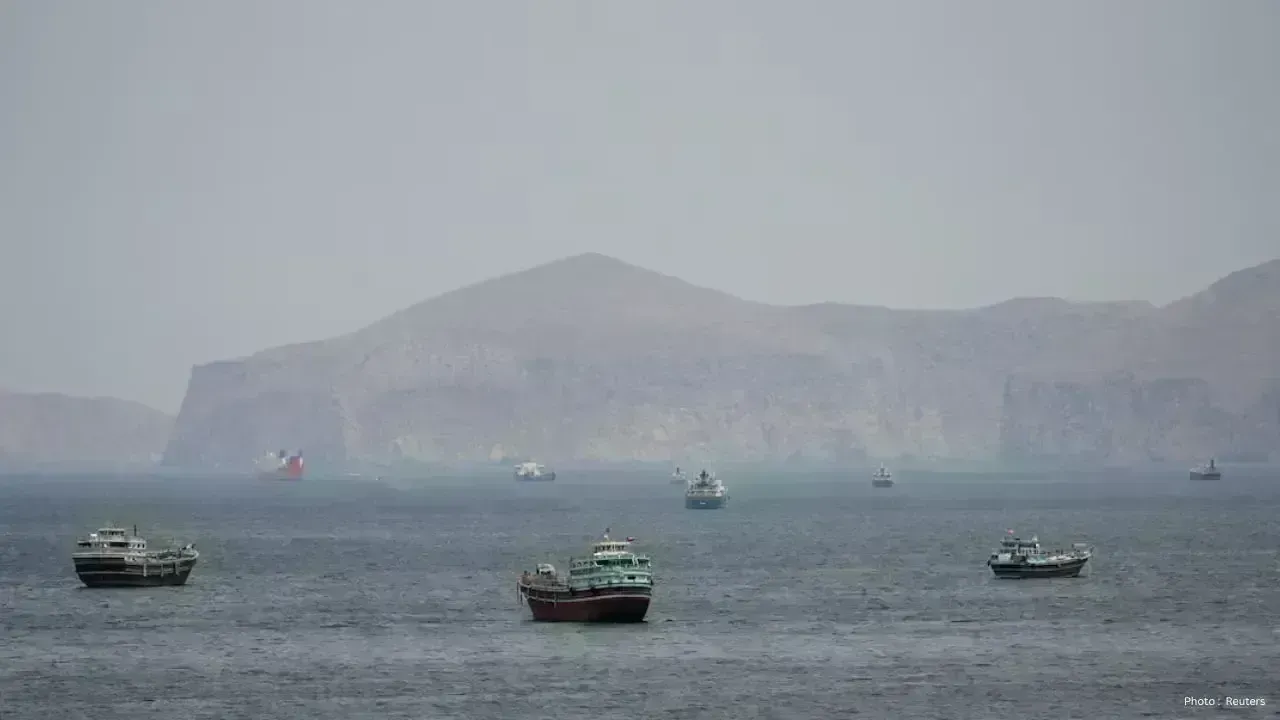
Iran has tightened its control over the Strait of Hormuz after the United States said it would stop further military attacks for now, according to recent developments reported on Thursday. The move has increased tension in the region and raised concerns about global oil supply and shipping safety.
The Strait of Hormuz is one of the most important sea routes in the world. A large portion of global oil passes through this narrow waterway every day. Because of this, any conflict or restriction in this area can quickly affect oil prices and trade across the world.
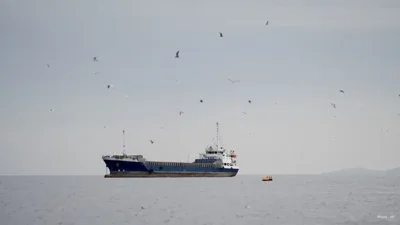
After the US decision to pause attacks, Iranian authorities increased their presence in the Strait. Reports said that Iranian forces seized two vessels in the area. Iran claimed that these ships had broken maritime rules, though details about the ships and their origin were not fully confirmed.
The United States had earlier announced that it would extend a pause in military operations. However, officials did not confirm any formal agreement with Iran. This has created confusion about whether a ceasefire actually exists or not.
Iran has not clearly accepted the US position. Iranian officials have said that any long-term agreement would depend on the removal of restrictions and pressure from the United States. This difference in positions has made the situation more uncertain.
Shipping companies have become more careful due to rising risks in the region. Some ships are avoiding the Strait of Hormuz, while others are moving with extra security measures. Insurance costs for ships passing through the area have also increased.
The slowdown in shipping activity could affect global markets. When fewer ships pass through such an important route, it can reduce oil supply and increase prices. This may impact fuel costs and industries in many countries.
Tensions between Iran and the United States have been high for some time. Recent military actions and counter-actions have added to the uncertainty. While the US has paused attacks, the situation on the ground remains tense.
Global leaders are closely watching the developments. Many countries depend on oil passing through the Strait of Hormuz, and any disruption can have serious economic effects. There are growing calls for calm and for both sides to avoid further escalation.
At present, there is no clear sign of a lasting solution. The region remains sensitive, and any small incident could quickly increase tensions again. The coming days will be important in deciding whether the situation improves or becomes more serious.






Ultimate Guide to Snagging Cheap Flights in 2026
Unlock the secrets to booking affordable flights in 2026 with insightful tips and strategies tailore

The Impact of Consistent Small Investments on Wealth Building
Discover how investing small amounts regularly can positively transform your financial future over t

7.5 Magnitude Earthquake Strikes Japan, Tsunami Alerts Issued
Japan experiences a hefty 7.5 quake, prompting tsunami alerts and safety measures. Stay updated on a

Reopening of the Strait of Hormuz: New Regulations to Impact Global Trade
Iran reopens the strategic Strait of Hormuz with new regulations affecting oil transport and global

Top 10 Must-See Attractions in NYC for First-Time Explorers
Discover essential experiences for first-time visitors to NYC, including attractions, culture, and i

Starbucks Engages Boyu Capital for Major Chinese Expansion
Starbucks teams up with Boyu Capital, selling a majority stake to boost growth and adapt to the Chin