Post by : Saif Nasser
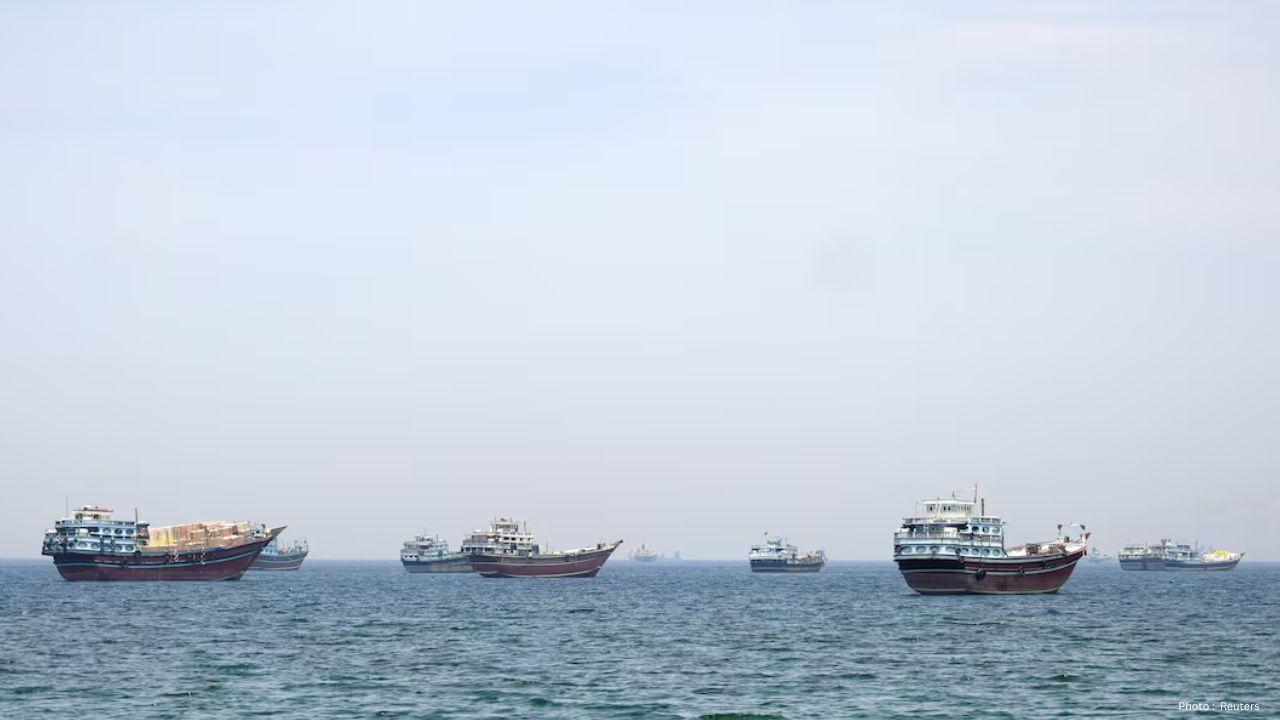
The situation in the Strait of Hormuz is showing early signs of easing as oil tankers begin moving again through one of the world’s most important shipping routes. At the same time, diplomatic signals from the United States and Iran suggest that talks may be moving in a more positive direction.
The Strait of Hormuz is a narrow but highly important water passage that connects major oil-producing countries in the Middle East to global markets. Around one-fifth of the world’s oil supply passes through this route. Because of this, any tension in the area quickly affects global oil prices and international trade.
In recent weeks, rising political and military tensions in the region had created fear among shipping companies. Some oil tankers slowed their operations or changed routes due to security concerns. The risk of conflict made global energy markets unstable.
However, recent reports show that several tankers have started to move back through the Strait of Hormuz. This is being seen as a sign that shipping companies feel slightly more confident about the situation. While risks are still present, the movement suggests that immediate fears of disruption have reduced.
At the same time, diplomatic discussions between the United States and Iran have gained attention. Statements from U.S. political leaders, including former President Donald Trump and Vice President JD Vance, suggest that negotiations may be progressing.
According to these signals, there is a possibility of reaching an understanding if talks continue. Reports also suggest that Iran has put forward proposals related to reducing tensions and easing economic restrictions. These proposals are still under discussion and have not yet been fully accepted.
Despite this, the tone of recent statements indicates a shift from confrontation toward dialogue. Earlier threats of military escalation appear to have been paused, at least for now, as diplomatic options are being explored.
Global markets are watching the situation closely. Oil prices have shown sensitivity to every update from the region. Even small signs of stability can calm markets, while any negative development can quickly push prices higher.
Experts say the Strait of Hormuz remains one of the most strategically important locations in the world. Any long-term disruption in this area would not only affect oil supply but also global inflation and transportation costs.
For now, the combination of tanker movement and diplomatic engagement has created cautious optimism. However, the situation is still fragile, and future developments will depend on whether both sides can continue negotiations without returning to conflict.






Anticipated Dates for UAE Eid Al Adha 2026 Unveiled by Astronomical Experts
Experts predict Eid Al Adha 2026 in the UAE to start on May 27, prompting early holiday planning amo

DAE Achieves Remarkable Growth in Q1 2026 With Record Revenue
Dubai Aerospace Enterprise announces impressive financial results for Q1 2026, reflecting a surge in

Price Increase for Sony PS5 in Southeast Asia Effective May 1
Sony announces a price increase for the PS5 across Southeast Asia starting May 1, 2026, impacting ga

Potential ‘Super El Niño’ in 2026: Understanding the Climate Risks
Could a Super El Niño emerge in 2026? Discover its implications and potential global climate impacts

Global Energy Crisis Intensifies: Markets React to Oil Supply Challenges
Markets are on edge as oil disruptions escalate, influencing prices and economic stability. Explore

Must-See Tourist Spots in London You Can't Overlook
Explore London's essential attractions, from royal landmarks to vibrant markets, ensuring an unforge




