Post by : Shweta
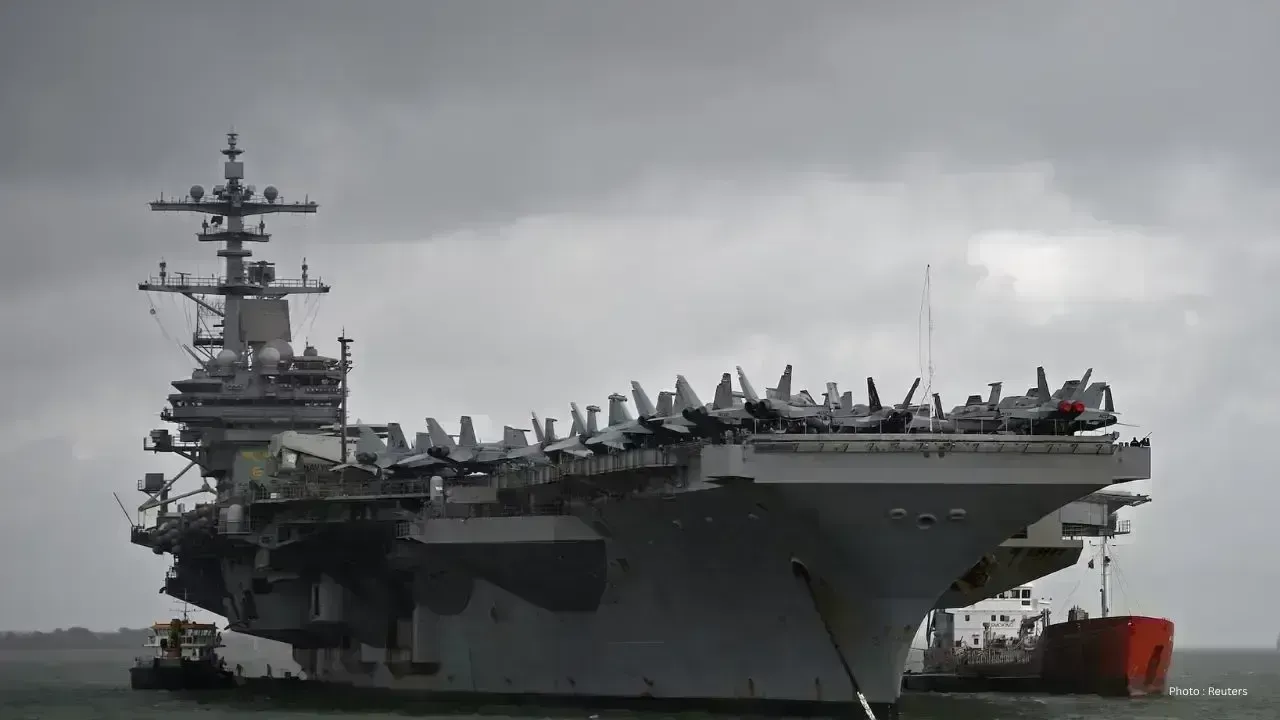
In a stern warning, Iran has indicated that any new military strike from the United States could escalate into a larger conflict extending beyond West Asia. This follows fresh threats made by U.S. President Donald Trump regarding potential military action against Tehran. The heightened rhetoric has raised global apprehension over the escalating tensions between Washington and Tehran, underscoring fears of a vast regional conflict.
Iranian leaders articulated the country’s intent to respond robustly should the U.S. pursue new assaults or enhance military forces in the region. Statements from both military and political figures in Iran implied that a rise in hostilities could influence nations beyond the Middle East, although specific targets or strategies have not been disclosed.
The Iranian warnings surfaced following Trump’s declaration that the U.S. was ready for a potential "big hit" against Iran if diplomatic negotiations do not yield results. He confessed to having contemplated resuming military actions but chose to delay operations to facilitate ongoing discussions. Despite the engagement, both parties have yet to align on pivotal issues surrounding sanctions, military operations, and Iran's nuclear ambitions.
Reports indicate that tensions persist even amid temporary ceasefire talks and indirect mediation efforts by regional actors. Iran is reportedly pushing for mitigation of sanctions, reparations for wartime damages, and alterations to U.S. military positioning in the area, while the U.S. insists on a curb on Tehran’s nuclear and military pursuits.
This situation has also sparked global economic trepidation due to the significant role of the Strait of Hormuz, a vital oil shipping channel. Iran has consistently hinted that ongoing military pressure could disrupt maritime commerce and energy supplies transiting through the region. Analysts warn that significant disturbances in this waterway could influence global oil prices and international trade flows.
As international leaders and diplomatic organizations call for restraint, concerns grow over the potential for a larger conflict that could engage numerous countries and militant factions throughout the Middle East. Experts caution that the intensifying military posturing from both sides elevates the chances of miscalculation and further destabilization in an already volatile region.
Security experts believe the current impasse reflects a broader contest for regional sway, military presence, and nuclear policy. Iran continues to adopt a strong stance against external pressures, while the United States asserts that military options remain viable should diplomatic efforts falter.
As nuanced diplomatic activities unfold behind closed doors, nations worldwide remain vigilant regarding these developments, as any major escalation between the U.S. and Iran could bear significant repercussions for global security, energy markets, and overall international stability.






Anticipated Dates for UAE Eid Al Adha 2026 Unveiled by Astronomical Experts
Experts predict Eid Al Adha 2026 in the UAE to start on May 27, prompting early holiday planning amo

DAE Achieves Remarkable Growth in Q1 2026 With Record Revenue
Dubai Aerospace Enterprise announces impressive financial results for Q1 2026, reflecting a surge in

Price Increase for Sony PS5 in Southeast Asia Effective May 1
Sony announces a price increase for the PS5 across Southeast Asia starting May 1, 2026, impacting ga

Potential ‘Super El Niño’ in 2026: Understanding the Climate Risks
Could a Super El Niño emerge in 2026? Discover its implications and potential global climate impacts

Global Energy Crisis Intensifies: Markets React to Oil Supply Challenges
Markets are on edge as oil disruptions escalate, influencing prices and economic stability. Explore

Must-See Tourist Spots in London You Can't Overlook
Explore London's essential attractions, from royal landmarks to vibrant markets, ensuring an unforge




