Post by : Saif Nasser
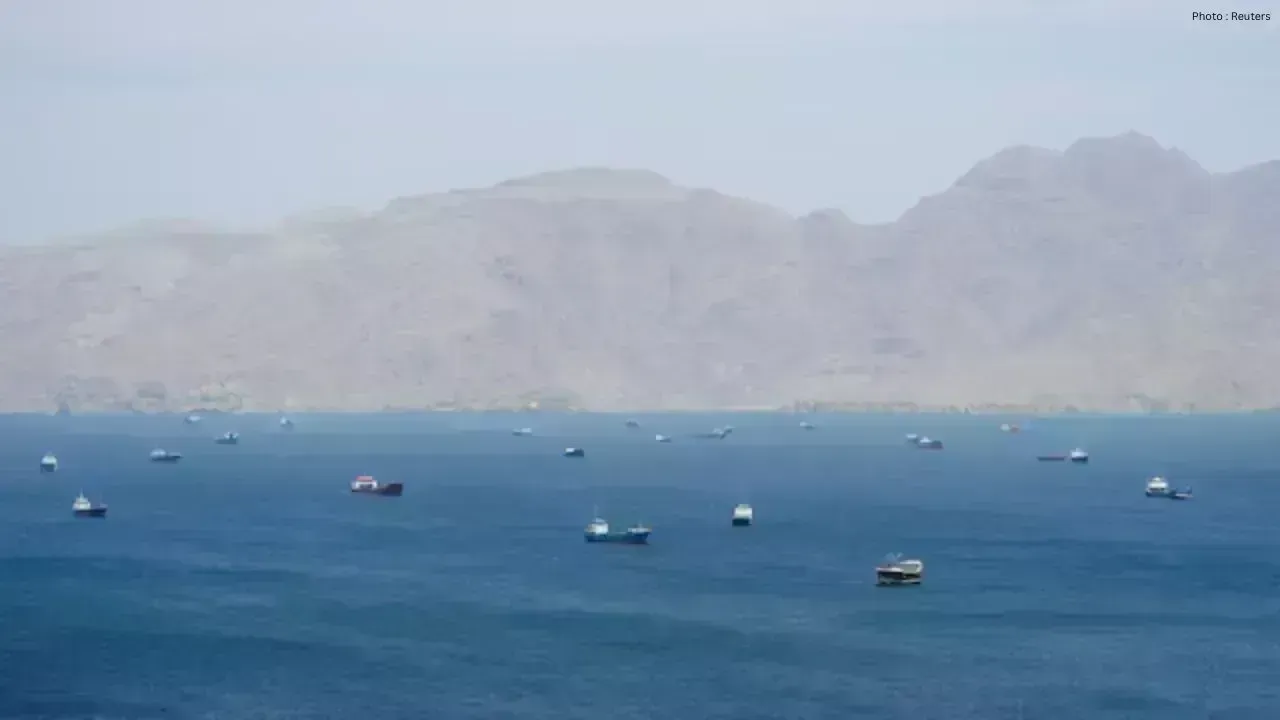
Global shipping through the Strait of Hormuz remains at very low levels as tensions between the United States and Iran continue without a clear agreement. The situation is raising serious concerns about oil supply, trade routes, and the global economy.
Recent data shows that only a small number of ships are passing through the Strait each day. Before the conflict began, around 130 to 140 ships used this route daily. Now, only a handful of vessels are crossing, showing how much activity has dropped.
The Strait of Hormuz is one of the most important waterways in the world. A large portion of global oil and gas supply moves through this narrow route. When traffic slows down, it affects energy supply and increases costs for countries that depend on imported fuel.
The main reason behind the reduced shipping is the ongoing conflict and lack of agreement between the United States and Iran. Both sides have taken strong actions. The United States has imposed a naval blockade on Iranian ports, while Iran has tightened control over the Strait. This has created a risky environment for commercial ships.
Because of these risks, many shipping companies are avoiding the route. Safety concerns, rising insurance costs, and uncertainty about military activity are making companies rethink their plans. As a result, fewer ships are willing to pass through the area.
The impact of this situation is being felt around the world. When fewer ships carry oil, supply becomes limited. This leads to higher oil prices, which then increase transportation costs. In turn, the prices of goods and services also rise, affecting everyday life.
Even though there have been some efforts to restart talks, there is still no clear deal in sight. Both countries have different demands, especially regarding security and nuclear issues. This has slowed down progress and kept tensions high.
The reduced shipping activity also shows that even a ceasefire does not immediately restore normal conditions. Trust between the two sides remains low, and businesses are waiting for clear signs of stability before returning to normal operations.
Another concern is the large number of ships that remain stuck or delayed in the region. Many crews are facing long waiting times, adding to the human and economic cost of the crisis.
The situation highlights how important the Strait of Hormuz is for global trade. A problem in this single route can affect energy markets, supply chains, and economies across the world. It shows how closely connected countries are through trade and energy.
Efforts by different countries to support talks and reduce tensions are ongoing. However, without a strong agreement, shipping through the Strait is likely to remain limited.
The current crisis is a reminder that global stability depends heavily on cooperation and dialogue. Until a clear solution is reached, the world will continue to feel the effects of reduced shipping and rising energy costs.







Potential ‘Super El Niño’ in 2026: Understanding the Climate Risks
Could a Super El Niño emerge in 2026? Discover its implications and potential global climate impacts

Global Energy Crisis Intensifies: Markets React to Oil Supply Challenges
Markets are on edge as oil disruptions escalate, influencing prices and economic stability. Explore

Must-See Tourist Spots in London You Can't Overlook
Explore London's essential attractions, from royal landmarks to vibrant markets, ensuring an unforge

Ultimate Guide to Snagging Cheap Flights in 2026
Unlock the secrets to booking affordable flights in 2026 with insightful tips and strategies tailore

The Impact of Consistent Small Investments on Wealth Building
Discover how investing small amounts regularly can positively transform your financial future over t

7.5 Magnitude Earthquake Strikes Japan, Tsunami Alerts Issued
Japan experiences a hefty 7.5 quake, prompting tsunami alerts and safety measures. Stay updated on a