Post by : Shweta
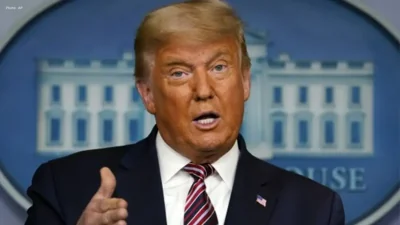
The Trump administration is under increased scrutiny following its initiative to investigate and request data that challenges the long-held state control over elections in the U.S. Reports indicate that federal agencies have been seeking access to sensitive voting records and election data from multiple states, which has ignited legal debates regarding constitutional authority and state sovereignty.
Elections in the U.S. have traditionally been run by state and local authorities, but recent moves by federal entities, including the Department of Homeland Security and the Justice Department, suggest a shift toward greater federal involvement. Officials in states such as Ohio, Nevada, and Colorado have reported receiving dubious requests for voter information, prompting concerns about data privacy and transparency.
Local election officials have often found these requests to be vague, with instances in Franklin County, Ohio, where officials received calls from individuals claiming federal agency affiliation requesting immediate access to voter details. While some complied, many officials raised alarm over the implications for voter privacy and the unclear reasoning behind these actions.
Defending its stance, the administration argues that these efforts aim to secure election integrity and combat voter fraud. A spokesperson stated that their focus is on upholding accurate voter registrations and ensuring participation by eligible citizens. Nonetheless, numerous legal scholars argue that evidence of widespread voter fraud remains unproven and caution that federal actions could erode trust in the electoral process.
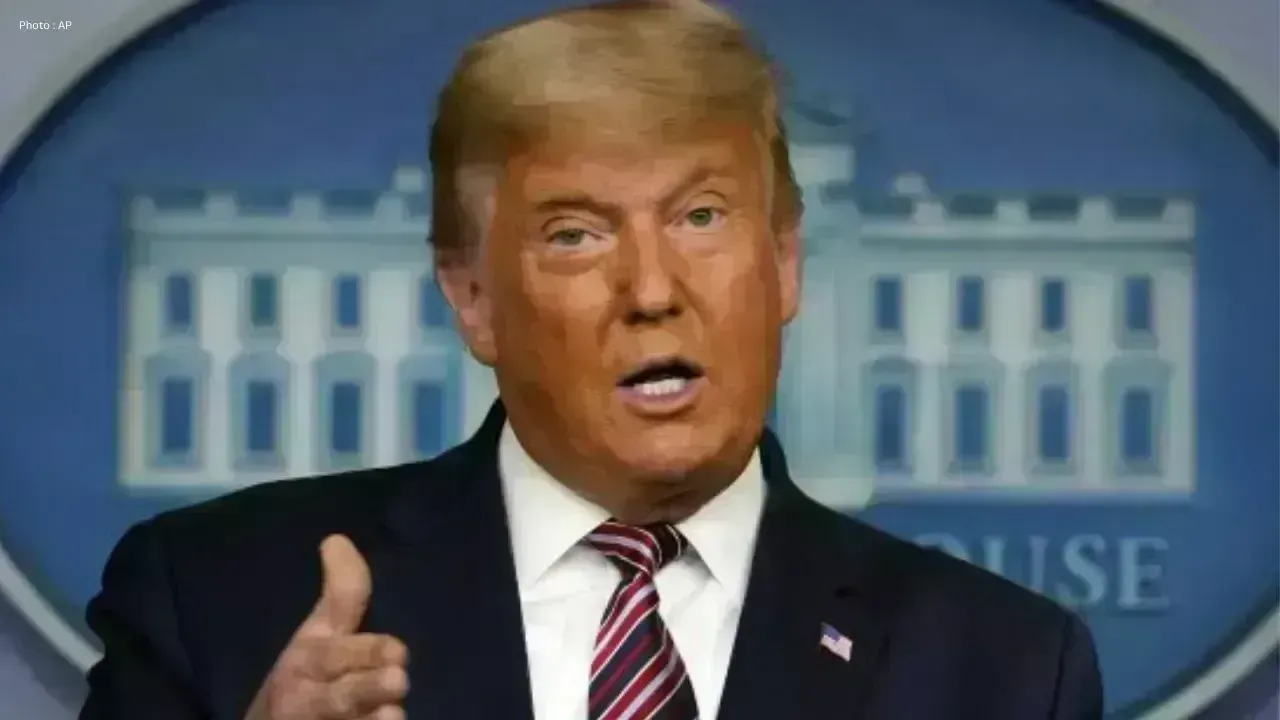
President Trump has openly advocated for expanding federal authority over elections, proposing measures to standardize voting regulations, impose strict voter ID laws, and authorize federal agencies to assess voter eligibility. Critics contend that these proposals infringe on states' rights and could disrupt established electoral practices.
In anticipation of increased federal involvement, local election officials nationwide are taking precautions, consulting legal experts, updating security measures, and training personnel on addressing federal inquiries. Counties in Colorado and South Carolina are even attending workshops to prepare for potential interactions with federal agents at polling places.
The evolving situation has generated anxiety among election workers, with reports of officials experiencing threats and public pressure stemming from election-related claims. Experts caution that the continuing friction between federal and state authorities could profoundly influence how future elections, particularly in battleground regions, are managed.
Ultimately, the administration's tactics seem to reflect a broader strategy of exploring legal limits on a state-specific basis. While proponents argue this approach enhances election security, detractors fear it politicizes the electoral landscape and diminishes trust in democratic institutions.




Potential ‘Super El Niño’ in 2026: Understanding the Climate Risks
Could a Super El Niño emerge in 2026? Discover its implications and potential global climate impacts

Global Energy Crisis Intensifies: Markets React to Oil Supply Challenges
Markets are on edge as oil disruptions escalate, influencing prices and economic stability. Explore

Must-See Tourist Spots in London You Can't Overlook
Explore London's essential attractions, from royal landmarks to vibrant markets, ensuring an unforge

Ultimate Guide to Snagging Cheap Flights in 2026
Unlock the secrets to booking affordable flights in 2026 with insightful tips and strategies tailore

The Impact of Consistent Small Investments on Wealth Building
Discover how investing small amounts regularly can positively transform your financial future over t
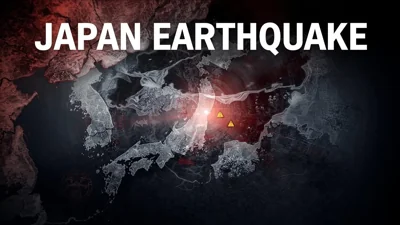
7.5 Magnitude Earthquake Strikes Japan, Tsunami Alerts Issued
Japan experiences a hefty 7.5 quake, prompting tsunami alerts and safety measures. Stay updated on a