Post by : Mina Rahman
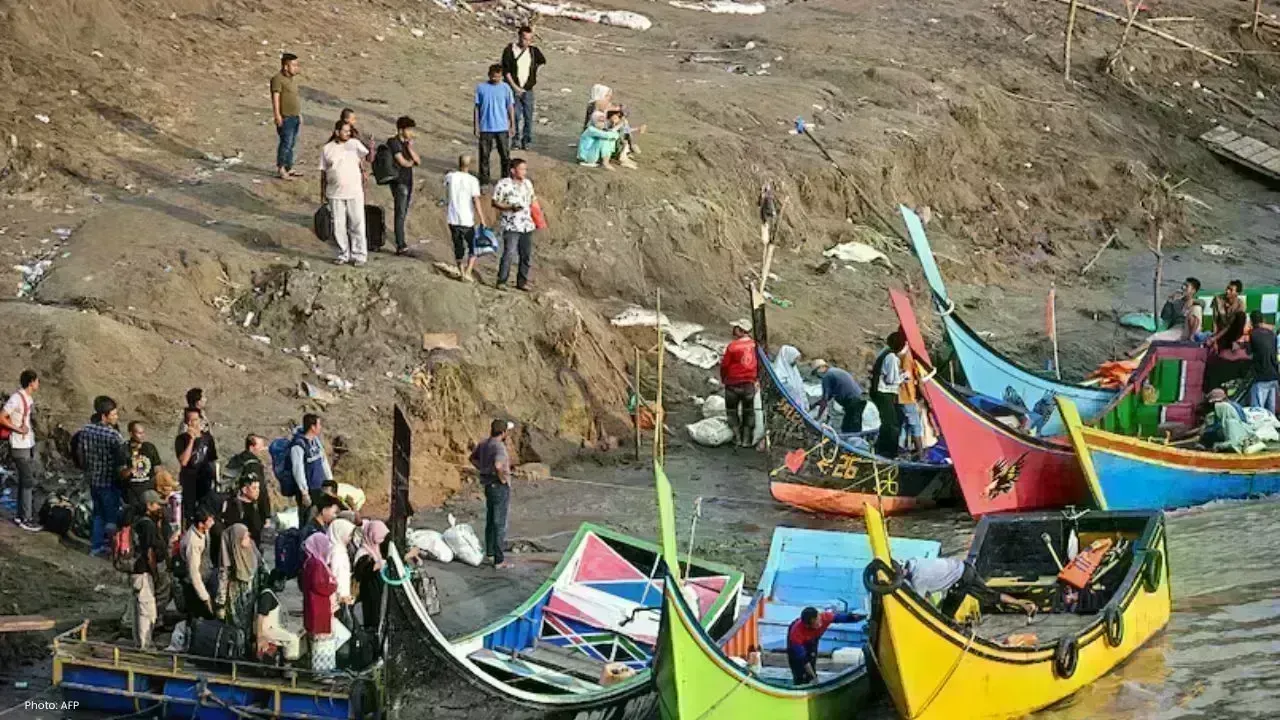
A series of severe cyclones sparked by an increase in ocean temperatures has led to one of South Asia's most catastrophic climate events in recent history, resulting in over 1,600 deaths and millions displaced in Malaysia, Sri Lanka, and Thailand. Researchers indicate that these storms gained strength due to rising global temperatures, significantly enhancing the moisture in the atmosphere.
The cyclones formed gradually over the northern Indian Ocean, accumulating heat and humidity before striking populous areas. What started as normal monsoon rains escalated into relentless downpours spanning several days, causing landslides that devastated entire neighborhoods and floods that engulfed communities within minutes. Although alerts were issued, many residents were not fully aware of the storms' potential severity, with such powerful cyclones being rare near the equator.
Survivors in Sri Lanka recounted terrifying experiences, hearing the ground give way beneath them, while rescue teams worked tirelessly to locate individuals missing under thick mud. In certain regions, water rose abruptly, trapping those on second floors without any means of escape. Emergency responders faced challenges reaching isolated areas after floodwaters destroyed bridges, highways, and electrical infrastructure.
Post-event analyses by scientists reveal that without the additional heating from decades of fossil fuel usage, the cyclones would have been considerably weaker. Preliminary data indicates a marked increase in the likelihood of such extreme rainfall events, transforming previously uncommon occurrences into a potential new norm for the region.
Environmental issues exacerbated the disaster, as denuded hillsides succumbed easily under the weight of the resulting water, and urban sprawl over natural drainage paths inflicted severe damage. Hundreds of thousands of buildings were either damaged or destroyed, and vital water systems became contaminated, prompting relief organizations to act swiftly in restoring safe water supplies.
Initial economic evaluations suggest losses running into billions across the affected nations, with Sri Lanka facing structural damage equivalent to a significant portion of its annual GDP. Officials and climate specialists caution that this catastrophe serves as a forewarning of the potential impacts of unchecked climate change, calling for governments to improve early warning systems, enhance infrastructure resilience, and equip communities for an impending era of more frequent and powerful storms.









Top 10 Must-See Attractions in NYC for First-Time Explorers
Discover essential experiences for first-time visitors to NYC, including attractions, culture, and i

Starbucks Engages Boyu Capital for Major Chinese Expansion
Starbucks teams up with Boyu Capital, selling a majority stake to boost growth and adapt to the Chin

Three Individuals Charged in Massive Meth Trafficking Case in Malaysia
In Malaysia, a married couple and another suspect are charged with trafficking 510kg of meth, facing

Singapore Police Revisit Geylang Murder Scene with Suspect
In Geylang, police return a murder suspect to the scene of a crime involving the fatal stabbing of a

Mattel Revives Masters of the Universe Action Figures Ahead of Film Launch
Mattel is reintroducing Masters of the Universe figures in line with its upcoming film, tapping into