Post by :
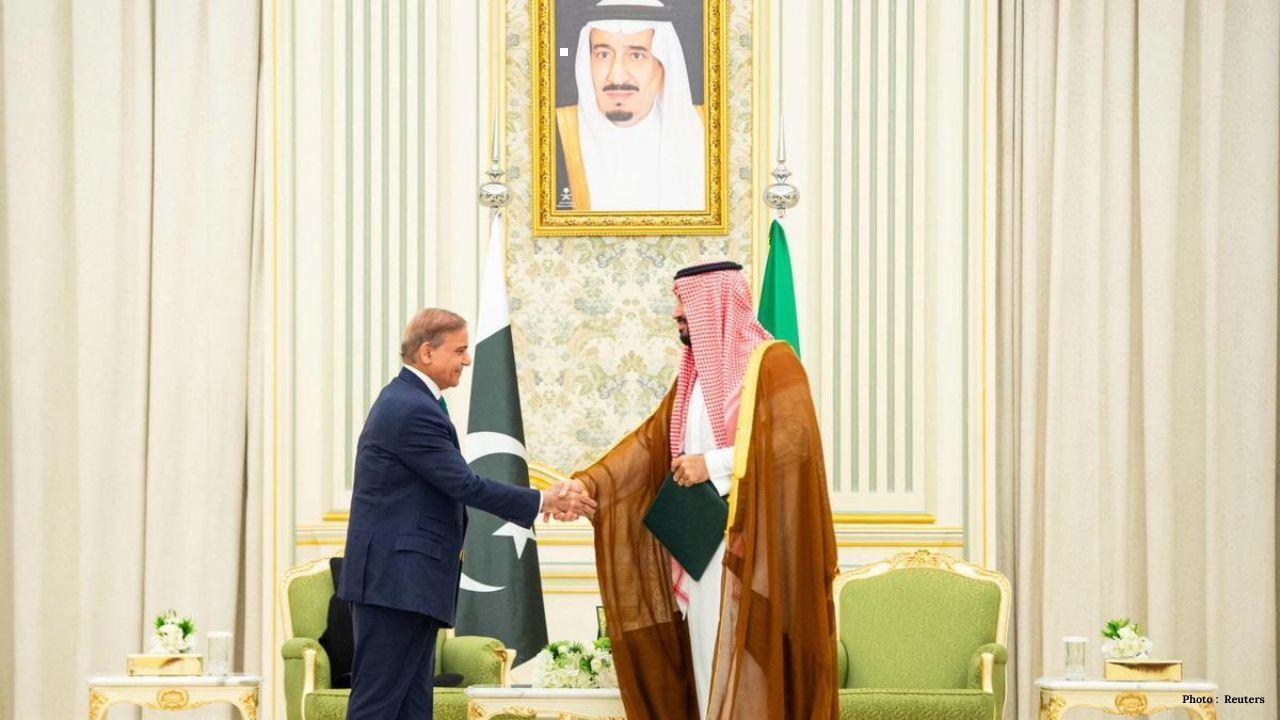
A major diplomatic development has taken place in the Middle East and South Asia, and it has caused strong reactions in India. Pakistan and Saudi Arabia have signed what they are calling a Strategic Mutual Defence Agreement. The deal is not just symbolic; it clearly states that if either country is attacked, the other will consider it as an attack on itself. This line in the agreement has become the most sensitive part, especially for New Delhi, which is now closely watching how this affects its own ties with Riyadh.
For India, the timing of this deal could not have been more complicated. Just a few months ago, in April 2025, a terror attack in Pahalgam, Jammu and Kashmir, shook the entire nation. That attack sparked the biggest military exchange between India and Pakistan since the 1971 war. Following that clash, India launched a worldwide diplomatic campaign to isolate Pakistan on the global stage. New Delhi wanted to ensure that Pakistan would be held accountable and cut off from major international support.
However, the results have been mixed. While some countries expressed solidarity with India, others did not go as far as New Delhi had hoped. Now, with Saudi Arabia choosing to sign this defence deal with Pakistan, Islamabad has gained fresh confidence. It is being seen as another diplomatic success for Pakistan, especially after months of being under pressure from India.
This agreement is not just about military cooperation. For Pakistan, it sends out a strong message to the world that it still has powerful allies. For Saudi Arabia, the deal could be part of its broader strategy of balancing relations across South Asia while securing its own regional interests. But for India, the concern is real. The phrase “any aggression against either country shall be considered an aggression against both” could potentially complicate New Delhi’s strategic calculations in the future.
Experts in New Delhi are questioning whether Saudi Arabia is moving away from its neutral role in South Asia. For years, India and Saudi Arabia have built stronger ties, especially in trade, investment, and energy cooperation. Millions of Indian workers also live and work in the Kingdom, sending billions of dollars back home as remittances. This deal now raises the question: will India-Saudi relations be affected if tensions rise further with Pakistan?
The situation also touches upon a larger theme of shifting alliances in the Middle East. Saudi Arabia has been expanding its defence and diplomatic partnerships as part of its long-term vision. By standing with Pakistan, it has shown that regional power dynamics are changing and that India cannot take its partnerships in the Gulf for granted.
For Pakistan, the timing could not be better. After the Pahalgam attack, the country faced strong criticism from India and some Western voices. But this new agreement with one of the most influential Arab states gives Islamabad both symbolic and practical support. It also strengthens its position at a time when India was hoping to keep it under pressure internationally.
Observers also point out that this move could make future conflicts between India and Pakistan even more sensitive. If India takes military action against Pakistan in response to terror attacks, as it has done in the past, the question will now be whether Saudi Arabia will react, or at least issue statements of support for its new partner.
At the same time, Indian diplomats are working carefully to ensure that their ties with Saudi Arabia do not weaken. Both countries share important interests in energy security, trade, and regional stability. India cannot afford to alienate Riyadh, and Saudi Arabia too has reasons to keep its partnership with India strong.
In simple terms, this agreement has added a new layer of complexity to South Asia’s already tense security environment. While it does not automatically mean Saudi Arabia will join Pakistan in any military conflict, it is a political statement that strengthens Islamabad’s standing. For India, it is a reminder that international isolation of Pakistan will not be easy, no matter how strong New Delhi’s efforts are.








DAE Achieves Remarkable Growth in Q1 2026 With Record Revenue
Dubai Aerospace Enterprise announces impressive financial results for Q1 2026, reflecting a surge in

Price Increase for Sony PS5 in Southeast Asia Effective May 1
Sony announces a price increase for the PS5 across Southeast Asia starting May 1, 2026, impacting ga

Potential ‘Super El Niño’ in 2026: Understanding the Climate Risks
Could a Super El Niño emerge in 2026? Discover its implications and potential global climate impacts

Global Energy Crisis Intensifies: Markets React to Oil Supply Challenges
Markets are on edge as oil disruptions escalate, influencing prices and economic stability. Explore

Must-See Tourist Spots in London You Can't Overlook
Explore London's essential attractions, from royal landmarks to vibrant markets, ensuring an unforge

Ultimate Guide to Snagging Cheap Flights in 2026
Unlock the secrets to booking affordable flights in 2026 with insightful tips and strategies tailore




