Post by : Saif Nasser
Oil loading operations at the Port of Fujairah in the United Arab Emirates were temporarily suspended after a fire broke out in the oil storage and export area. The incident happened after a drone-related attack triggered flames near the petroleum facilities, according to industry sources. The disruption has raised concerns in global energy markets because the port is an important hub for shipping crude oil and fuel products.
Emergency teams quickly moved to the site and managed to control the fire. Officials said there were no reported injuries or casualties. However, some oil-loading activities were stopped as a safety measure while authorities assessed the damage and ensured that the area was secure.
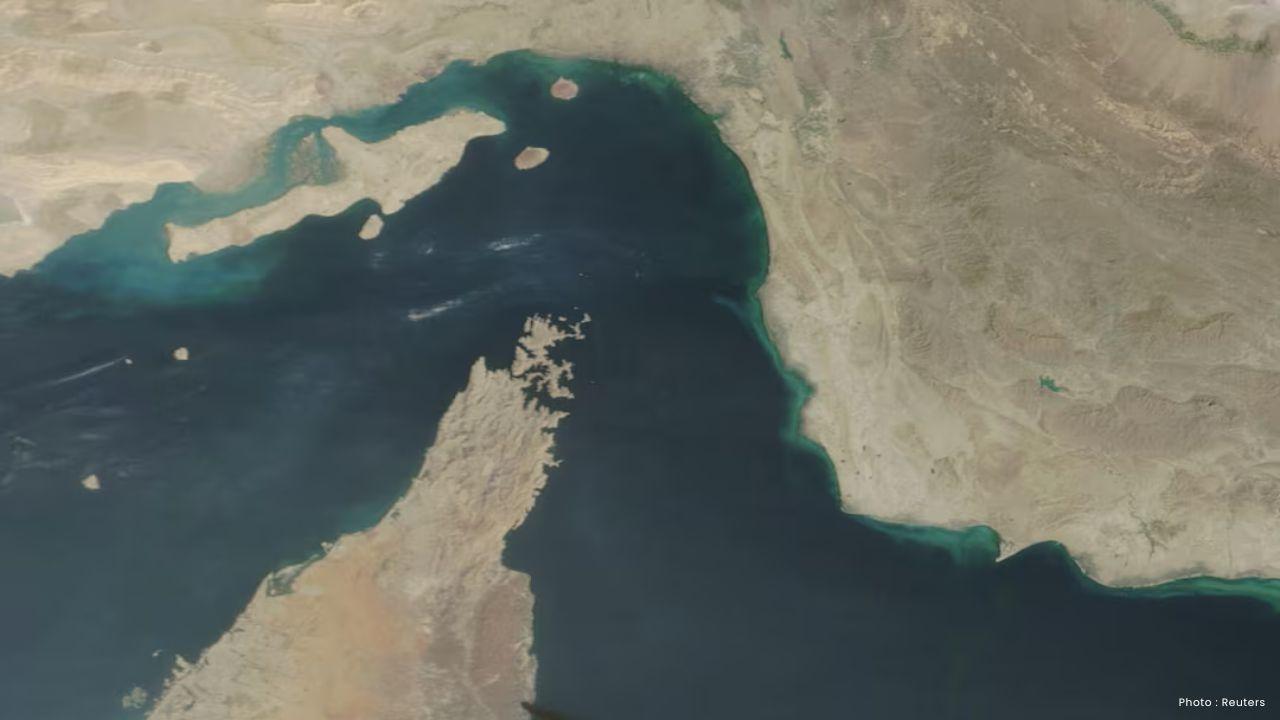
The Fujairah port is one of the most important energy terminals in the Middle East. It is located on the Gulf of Oman and sits outside the narrow Strait of Hormuz, which allows ships to load oil without passing through the busy Persian Gulf route. Because of this location, Fujairah has become a key export and storage center for oil from the United Arab Emirates and other countries.
Industry estimates suggest that the port handles around one million barrels of crude oil per day, including shipments of Murban crude produced by the UAE. This volume represents roughly one percent of the world’s oil demand, meaning that even short disruptions can attract global attention.
The attack is believed to be linked to the wider conflict currently affecting the Middle East. Tensions between regional powers have grown sharply in recent weeks, especially after military strikes involving the United States, Israel, and Iran. These developments have led to threats against energy facilities and shipping routes across the Gulf region.
Reports indicate that the fire at Fujairah started after debris fell in the port area during the interception of a drone. Air defense systems reportedly stopped the drone before it could cause larger damage, but fragments from the interception ignited a fire in part of the oil terminal.
The disruption at Fujairah comes at a time when global energy markets are already under pressure. The ongoing crisis around the Strait of Hormuz has slowed shipping in one of the world’s most important oil routes. Nearly 20 percent of the world’s oil normally passes through this narrow waterway each day, making any conflict in the area a serious concern for energy supplies.
Because of the tension and the risk of attacks, some oil companies and shipping firms have begun reviewing their operations in the region. Insurance costs for tankers traveling through Gulf waters have also increased as companies try to manage the risk of damage or delays.
Despite the disruption, sources said some operations at the port were gradually resuming after emergency teams controlled the situation. However, industry officials warned that repeated attacks or continued instability could create longer-term problems for energy transportation in the region.
The incident highlights how sensitive the global oil market is to geopolitical events. Energy infrastructure such as pipelines, refineries, and export terminals can become strategic targets during conflicts. When disruptions occur, even temporarily, they can influence oil prices, shipping schedules, and energy security worldwide.
For countries that rely heavily on imported oil, including many in Asia and Europe, events in the Gulf region can quickly affect fuel prices and economic stability. As a result, governments and energy companies are closely watching the situation at Fujairah and other key ports in the Middle East.
While operations at the port are expected to stabilize, the broader regional conflict remains unresolved. Until tensions ease, energy markets are likely to remain uncertain, and critical infrastructure like the Fujairah oil terminal will continue to be under close security watch.







DAE Achieves Remarkable Growth in Q1 2026 With Record Revenue
Dubai Aerospace Enterprise announces impressive financial results for Q1 2026, reflecting a surge in

Price Increase for Sony PS5 in Southeast Asia Effective May 1
Sony announces a price increase for the PS5 across Southeast Asia starting May 1, 2026, impacting ga

Potential ‘Super El Niño’ in 2026: Understanding the Climate Risks
Could a Super El Niño emerge in 2026? Discover its implications and potential global climate impacts

Global Energy Crisis Intensifies: Markets React to Oil Supply Challenges
Markets are on edge as oil disruptions escalate, influencing prices and economic stability. Explore

Must-See Tourist Spots in London You Can't Overlook
Explore London's essential attractions, from royal landmarks to vibrant markets, ensuring an unforge

Ultimate Guide to Snagging Cheap Flights in 2026
Unlock the secrets to booking affordable flights in 2026 with insightful tips and strategies tailore




