Post by : Saif Nasser
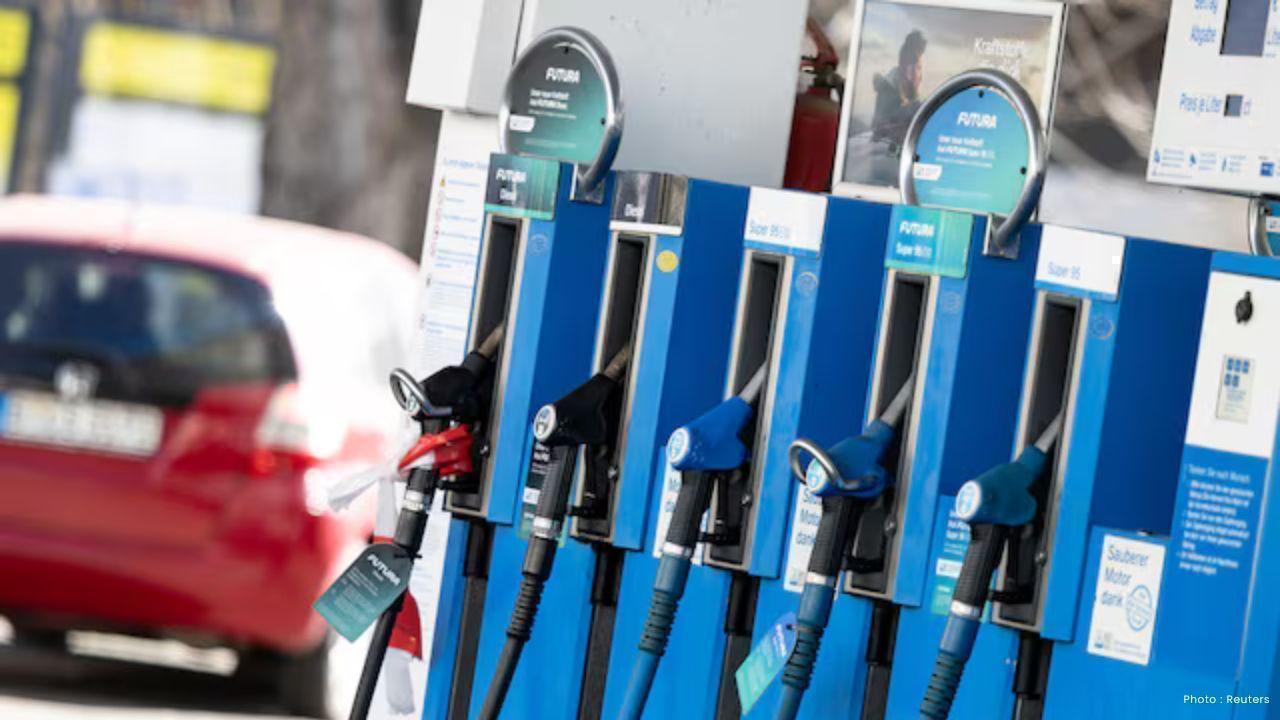
European governments are urgently searching for ways to control rising energy prices after the ongoing war involving Iran triggered strong shocks in global energy markets. Leaders across the European Union are discussing emergency steps to protect households and industries as oil and gas prices surge because of the conflict.
The situation has become a major concern for policymakers in Europe. Energy costs have already increased sharply, and officials fear that the crisis could push inflation higher and slow economic growth across the region. According to reports, European benchmark gas prices have jumped by more than 50 percent since the conflict began.
The energy shock is mainly linked to tensions in the Middle East, which have disrupted supply routes and raised fears about the availability of fuel in global markets. One of the biggest worries is the possible disruption of the Strait of Hormuz, a narrow shipping route through which a large share of the world’s oil and liquefied natural gas is transported.
Because Europe relies heavily on imported energy, such disruptions can quickly affect prices across the continent.
Officials in Brussels are now considering several options to reduce the impact of rising energy costs. These include allowing governments to provide financial support to companies, lowering energy taxes, and making adjustments to the European carbon trading system.
Another proposal being discussed is a possible cap on gas prices. The idea is to prevent extremely high fuel costs from pushing electricity prices even higher. However, this proposal has divided European governments, with some countries supporting it while others worry it could disrupt energy markets.
Ursula von der Leyen, President of the European Commission, has said the EU must act quickly to reduce the pressure of high energy costs on households and businesses. At the same time, she warned that Europe should not return to heavy dependence on older energy sources that could create new risks in the future.
Some member countries have suggested stronger actions. For example, governments such as Italy have proposed temporary changes to climate policies or energy markets in order to ease costs for industries that depend heavily on power and fuel.
However, these proposals are controversial because other EU countries fear they could weaken long-term climate goals or disrupt the carbon trading system that aims to reduce emissions.
The rising energy prices are already affecting businesses across Europe. Energy-intensive industries such as chemicals, manufacturing, and agriculture are particularly vulnerable because fuel and electricity make up a large part of their operating costs.
If prices continue to rise, some factories may reduce production or even move operations to regions with cheaper energy. This could hurt Europe’s industrial competitiveness and lead to job losses in certain sectors.
Economists also warn that high energy prices could increase the cost of everyday goods. When companies pay more for electricity and fuel, they often pass those costs on to consumers through higher prices.
The current situation reminds many Europeans of the energy crisis that followed the Russian invasion of Ukraine in 2022. During that period, natural gas prices in Europe reached record levels after supplies from Russia were sharply reduced.
Since then, the EU has tried to reduce its dependence on imported fossil fuels and increase the use of renewable energy. Programs such as REPowerEU aim to expand renewable power sources, improve energy efficiency, and strengthen Europe’s energy security.
However, the current crisis shows that Europe remains vulnerable to global energy shocks.
Energy experts say the conflict involving Iran has once again highlighted the risks of relying heavily on imported oil and gas. The United Nations climate leadership has also warned that the crisis is a reminder of the dangers of depending too much on fossil fuels, which can expose countries to sudden geopolitical disruptions.
In response, European leaders are expected to discuss both short-term emergency measures and long-term strategies during upcoming policy meetings. Immediate actions may include financial aid and regulatory adjustments, while long-term plans focus on expanding renewable energy and strengthening energy independence.
Despite the uncertainty, EU officials are trying to prevent panic in markets and maintain stable energy supplies. Policymakers believe that coordinated action across the region will be necessary to manage the crisis effectively.
For now, the rising energy prices remain a major challenge for Europe. The outcome of the Middle East conflict and the stability of global oil and gas supplies will play a key role in determining how long the pressure on European economies continues.
The crisis is another reminder that energy security is closely linked to global politics. As the conflict unfolds, governments across Europe will be watching closely and preparing new strategies to protect their economies from further shocks.



DAE Achieves Remarkable Growth in Q1 2026 With Record Revenue
Dubai Aerospace Enterprise announces impressive financial results for Q1 2026, reflecting a surge in

Price Increase for Sony PS5 in Southeast Asia Effective May 1
Sony announces a price increase for the PS5 across Southeast Asia starting May 1, 2026, impacting ga

Potential ‘Super El Niño’ in 2026: Understanding the Climate Risks
Could a Super El Niño emerge in 2026? Discover its implications and potential global climate impacts

Global Energy Crisis Intensifies: Markets React to Oil Supply Challenges
Markets are on edge as oil disruptions escalate, influencing prices and economic stability. Explore

Must-See Tourist Spots in London You Can't Overlook
Explore London's essential attractions, from royal landmarks to vibrant markets, ensuring an unforge

Ultimate Guide to Snagging Cheap Flights in 2026
Unlock the secrets to booking affordable flights in 2026 with insightful tips and strategies tailore




