Post by : Saif Nasser
The United States has asked several countries to help protect the vital shipping route in the Strait of Hormuz, but some key allies have said they do not plan to send military ships for the mission. The request came from Donald Trump as tensions in the Middle East continue to grow during the ongoing conflict involving Iran and Israel.
The Strait of Hormuz is one of the most important waterways in the world. Around 20 percent of global oil shipments pass through this narrow passage connecting the Persian Gulf to the Arabian Sea. Any disruption to this route can affect energy supplies, oil prices, and international trade.
In recent weeks, the situation in the region has become increasingly unstable. Fighting linked to the conflict with Iran has raised fears that oil tankers and commercial ships could be targeted or blocked from traveling through the strait. Because of this risk, Washington wants several countries to join a coalition to protect shipping and keep the route open.
President Trump said countries that depend on oil transported through the Strait of Hormuz should help defend it. Speaking to reporters, he argued that nations benefiting from the energy supply should contribute naval forces or equipment to protect the area. The United States has reportedly contacted at least seven countries to discuss possible support.
The U.S. leader also suggested that countries such as China, Britain, Japan, South Korea, and France could play a role in securing the waterway. According to his plan, these nations could send naval ships, minesweepers, or other military resources to ensure safe passage for commercial vessels.
However, the response from some allies has been cautious. Japan and Australia, two close partners of the United States, said they are not currently planning to send naval ships to the Middle East for this mission. Their governments explained that no formal request has been made and that sending military forces abroad requires careful legal and political consideration.
Japan’s Prime Minister Sanae Takaichi told parliament that Tokyo has not made any decision about dispatching escort vessels. Japan’s constitution places limits on overseas military operations, and any deployment of naval forces must follow strict legal rules.
Australia also indicated that it would not send ships to the strait. Government officials said they recognize how important the shipping route is, but they are not planning to contribute naval forces at this time.
Other countries have taken a careful approach as well. European governments are discussing the situation but have not yet agreed on a joint military mission. Some officials believe diplomacy and international coordination may be better ways to reduce tensions instead of sending more warships to the region.
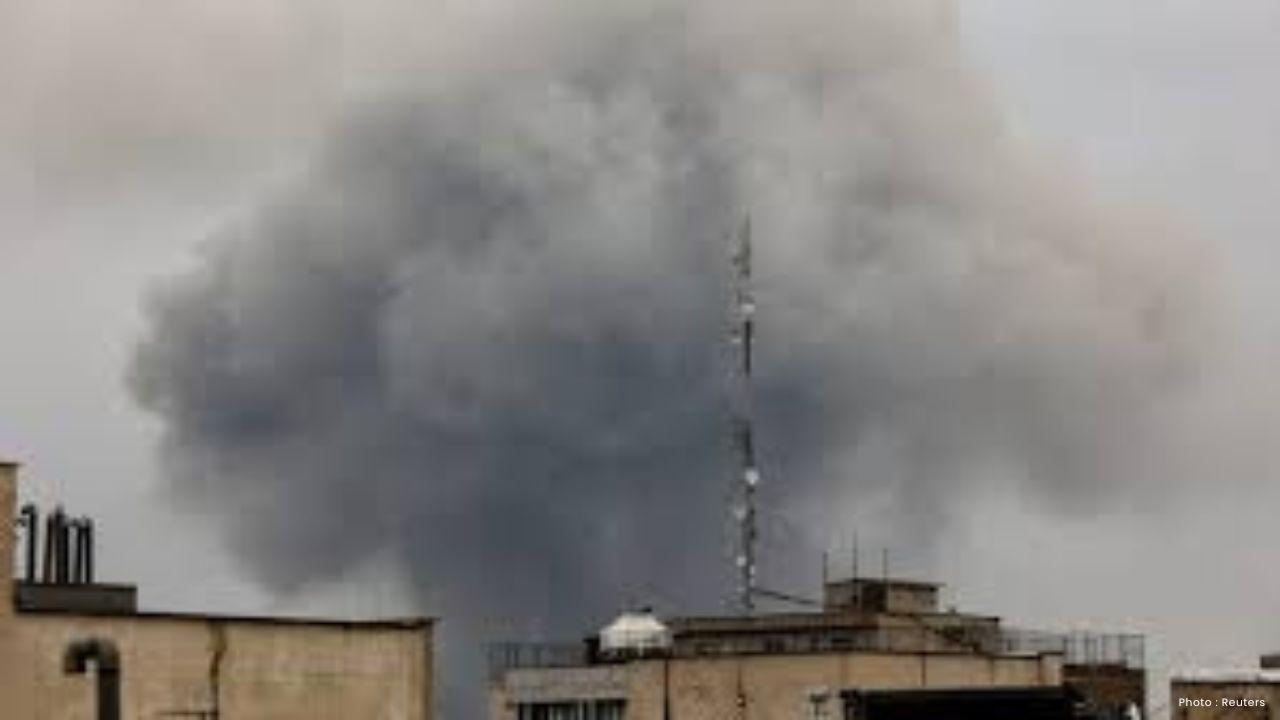
The crisis is closely linked to the broader conflict between the United States, Israel, and Iran. Military strikes and threats around the Persian Gulf have increased fears of a wider regional conflict. Oil markets have already reacted to the situation, with global energy prices rising due to concerns about supply disruptions.
Energy experts warn that if the Strait of Hormuz remains blocked or unsafe for ships, the impact could be felt worldwide. Many countries in Asia and Europe rely heavily on oil from the Gulf region. A prolonged disruption could lead to higher fuel prices, supply shortages, and economic uncertainty.
At the same time, some leaders believe that increasing military activity near the strait could raise the risk of further conflict. They argue that diplomatic talks and international cooperation are needed to stabilize the region and prevent escalation.
The United States continues to hold discussions with several governments about protecting the waterway. Officials say that keeping the Strait of Hormuz open for global trade remains a priority because it is essential for energy security and economic stability around the world.
For now, the situation remains uncertain. While Washington is pushing for a broader international naval effort, many countries are still weighing their options. The coming weeks will likely determine whether a multinational security mission is formed or whether diplomatic efforts will take the lead in addressing the crisis.








DAE Achieves Remarkable Growth in Q1 2026 With Record Revenue
Dubai Aerospace Enterprise announces impressive financial results for Q1 2026, reflecting a surge in

Price Increase for Sony PS5 in Southeast Asia Effective May 1
Sony announces a price increase for the PS5 across Southeast Asia starting May 1, 2026, impacting ga

Potential ‘Super El Niño’ in 2026: Understanding the Climate Risks
Could a Super El Niño emerge in 2026? Discover its implications and potential global climate impacts

Global Energy Crisis Intensifies: Markets React to Oil Supply Challenges
Markets are on edge as oil disruptions escalate, influencing prices and economic stability. Explore

Must-See Tourist Spots in London You Can't Overlook
Explore London's essential attractions, from royal landmarks to vibrant markets, ensuring an unforge

Ultimate Guide to Snagging Cheap Flights in 2026
Unlock the secrets to booking affordable flights in 2026 with insightful tips and strategies tailore




