Post by : Saif Nasser
Global oil prices have increased after peace talks between the United States and Iran failed to move forward. This rise shows how closely the world economy depends on political stability, especially in the Middle East. When tensions grow and talks stop, energy markets react quickly, affecting countries and people across the world.
Recent market trends show that oil prices jumped after planned discussions between the US and Iran did not take place. This pushed crude oil prices higher, bringing back concerns about supply shortages. The failure of talks has created uncertainty about how much oil will be available in the coming weeks, especially from key regions.
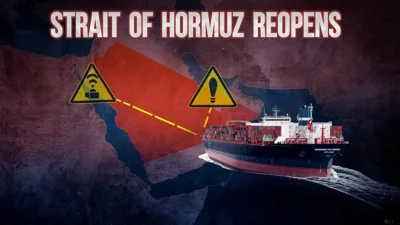
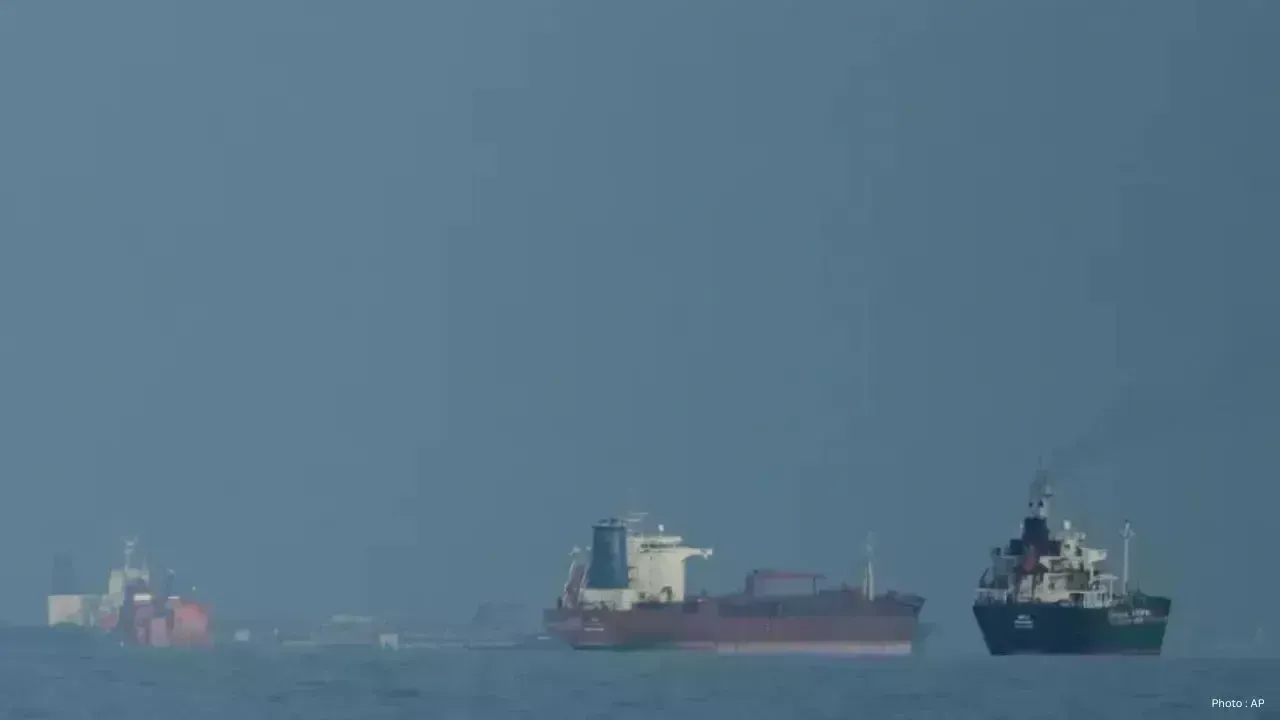
A major concern is the Strait of Hormuz, one of the most important routes for global oil transport. A large share of the world’s oil passes through this narrow waterway. Any disruption here can quickly affect global supply and push prices higher. Recent tensions and restrictions in this area have already made it harder for oil shipments to move smoothly.
The stalled peace talks are part of a larger issue between the US and Iran. Diplomatic efforts had raised hope that tensions might ease, but the latest delay has reduced those hopes. Without progress in talks, markets expect instability to continue. This uncertainty often leads to higher oil prices, as traders prepare for possible supply problems.
Rising oil prices affect more than just energy markets. They have a direct impact on daily life. When fuel prices go up, transportation becomes more expensive. This increases the cost of goods such as food, clothing, and other essentials. Countries that depend heavily on imported oil, especially in Asia, are likely to face greater pressure.
Higher oil prices can also lead to inflation. When businesses pay more for fuel, they often increase the prices of their products. This means consumers have to spend more money, even if their income does not increase. Over time, this can slow economic growth and make life more difficult for many families.
The current situation also shows how fragile the global energy system can be. Political conflicts, shipping disruptions, and failed talks can quickly affect supply and prices. This highlights the importance of stable international relations to keep energy markets balanced.
At the same time, rising oil prices may push countries to look for alternative energy sources. As fuel becomes more expensive, governments and companies may invest more in solar power, wind energy, and electric vehicles. This shift could reduce dependence on oil in the future, although it will take time.
Oil-producing countries may benefit in the short term from higher prices, as they earn more from exports. However, long-term instability can create uncertainty for everyone, including producers. Sudden price changes make planning difficult and can affect global trade.
The failure of peace talks also raises concerns about future diplomacy. Dialogue is often the best way to reduce tensions and avoid conflict. When talks fail, the risk of further problems increases. This affects not only the countries involved but also the global economy.









Potential ‘Super El Niño’ in 2026: Understanding the Climate Risks
Could a Super El Niño emerge in 2026? Discover its implications and potential global climate impacts

Global Energy Crisis Intensifies: Markets React to Oil Supply Challenges
Markets are on edge as oil disruptions escalate, influencing prices and economic stability. Explore

Must-See Tourist Spots in London You Can't Overlook
Explore London's essential attractions, from royal landmarks to vibrant markets, ensuring an unforge

Ultimate Guide to Snagging Cheap Flights in 2026
Unlock the secrets to booking affordable flights in 2026 with insightful tips and strategies tailore

The Impact of Consistent Small Investments on Wealth Building
Discover how investing small amounts regularly can positively transform your financial future over t

7.5 Magnitude Earthquake Strikes Japan, Tsunami Alerts Issued
Japan experiences a hefty 7.5 quake, prompting tsunami alerts and safety measures. Stay updated on a