Post by :
Photo:Reuters
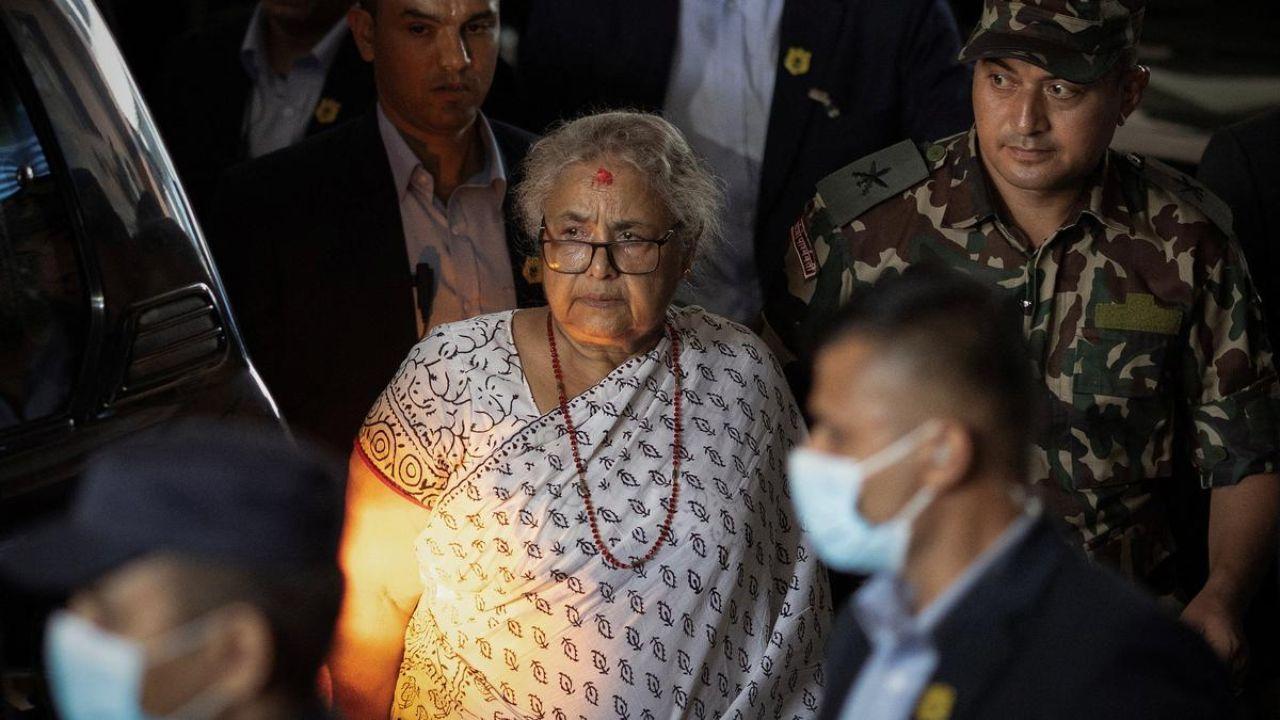
Nepal is facing a major political crisis after President Ram Chandra Poudel approved the dissolution of the country’s Parliament. The decision came on Friday, September 14, 2025, following a recommendation by the first Cabinet meeting led by Nepal’s interim Prime Minister, Sushila Karki.
Sushila Karki, who also served as Nepal’s first woman Chief Justice, is now the first woman Prime Minister of the country. The sudden move to dissolve the House of Representatives has created widespread concern and strong criticism from political leaders and legal experts.
Nepal’s largest political party, the Nepali Congress (NC), said the decision violates the country’s Constitution and threatens the democratic progress Nepal has achieved over the years. In a statement, the party warned that any action going against the Constitution is unacceptable. NC leaders stressed that dissolving Parliament is not only unconstitutional but also sets a dangerous precedent for the nation’s democratic system.
The NC’s Central Executive Committee, during a meeting on Saturday, stated that the dissolution of Parliament has “seriously jeopardized the democratic achievements of Nepal.” NC General Secretary Bishwa Prakash Sharma also highlighted that any breach of the Constitution raises serious concerns and could have long-term effects on the country’s governance.
Other political parties also expressed strong disapproval. The Communist Party of Nepal – Unified Marxist-Leninist (CPN-UML) described the move as “ironically concerning,” while the CPN (Maoist Centre) called the decision a clear violation of the constitutional framework.
Legal experts in the country, including senior lawyers, have also criticized the President’s action, calling it “arbitrary” and a blow to democracy. Many believe this step undermines the spirit of Nepal’s Constitution and the principles established by the Supreme Court in the past.
This sudden political move comes at a time when Nepal is already dealing with political instability. Experts warn that dissolving Parliament could lead to increased uncertainty in governance, affect government policies, and potentially trigger protests or political unrest. Citizens are closely watching how the situation unfolds, as the country’s democratic structure faces one of its most serious tests in recent years.
The political scenario in Nepal remains tense, with major parties planning to hold meetings and public discussions on the next steps. The crisis also raises questions about the future of elections, government stability, and the role of the President in the country’s democratic system. Analysts say that the coming weeks will be crucial in determining whether Nepal can maintain its democratic institutions or face prolonged political instability.
The President’s approval to dissolve Parliament has caused a nationwide stir. Political leaders, legal experts, and citizens have voiced strong opposition, calling the action unconstitutional and a serious threat to Nepal’s democracy. The country now stands at a critical crossroads, and how this situation is handled could define the future of Nepalese politics.






Achieve Radiant Skin with This Simple Rice Flour Treatment
Transform your skincare routine! Discover how a rice flour mix can restore your skin's glow without

Meta Unveils Subscription Plans for Instagram, Facebook, and WhatsApp
Meta introduces new subscription plans for users of Instagram, Facebook, and WhatsApp, featuring enh

Suvarna Joy on Education Leadership, Resilience, and Building Purpose Through Adversity in the UAE
Suvarna Joy shares her journey of education leadership, motherhood, faith, and resilience within the

Anticipated Dates for UAE Eid Al Adha 2026 Unveiled by Astronomical Experts
Experts predict Eid Al Adha 2026 in the UAE to start on May 27, prompting early holiday planning amo

DAE Achieves Remarkable Growth in Q1 2026 With Record Revenue
Dubai Aerospace Enterprise announces impressive financial results for Q1 2026, reflecting a surge in

Price Increase for Sony PS5 in Southeast Asia Effective May 1
Sony announces a price increase for the PS5 across Southeast Asia starting May 1, 2026, impacting ga




