Post by : Saif Nasser
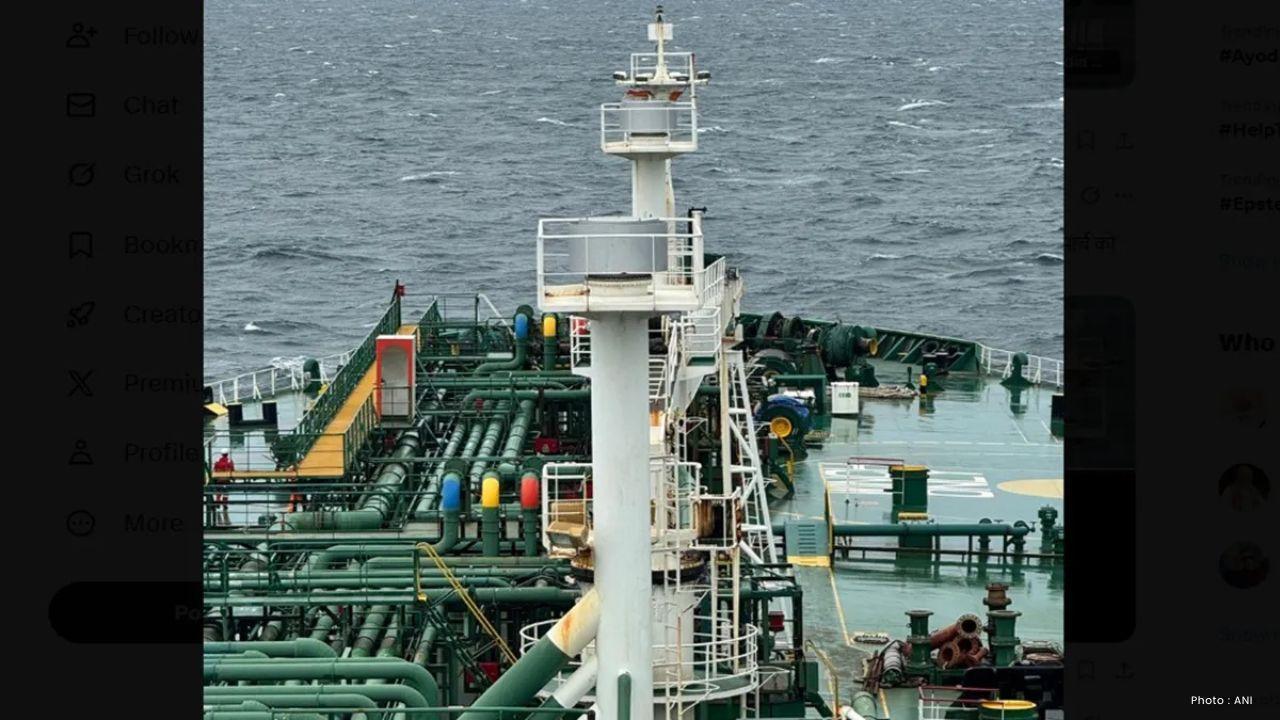
Malaysia has achieved an important diplomatic success after its ships were allowed to pass through the Strait of Hormuz, one of the most sensitive and dangerous shipping routes in the world today. This development comes at a time when global tensions are high and many vessels are struggling to move safely through the region.
The announcement was made by Anwar Ibrahim, who said that Malaysian ships are now permitted to travel through the strait following talks with regional leaders, including those from Iran. This decision is seen as a result of careful diplomacy during a period of crisis.
In his statement, Anwar also thanked Iran’s leadership for allowing Malaysian oil tankers and their crews to continue their journey. This shows that even during conflict, communication between countries can help reduce risks and solve problems.
The Strait of Hormuz is a narrow waterway, but it is one of the most important routes for global energy supply. Around one-fifth of the world’s oil passes through this area every day. Any disruption here can affect fuel prices and economic stability across the globe.
In recent weeks, the situation in the region has been tense due to the ongoing conflict involving Iran, the United States, and Israel. As part of this conflict, Iran had restricted or controlled ship movements in the strait, allowing only certain vessels to pass. This created fear and uncertainty among many countries that depend on this route.
Malaysia is one of the countries that felt the impact strongly. Even though it produces oil, it still depends heavily on energy supplies that move through this route. Reports suggest that about half of Malaysia’s oil supply passes through the Strait of Hormuz.
When the strait faced disruptions, it created concerns about fuel availability and rising costs. This situation forced the Malaysian government to act quickly. Anwar held discussions not only with Iran but also with leaders from countries like Egypt and Turkey to find a safe solution.
These efforts have now shown results. Malaysian vessels are being allowed to pass, and some ships that were delayed are now continuing their journey. This is an important step in reducing pressure on the country’s energy supply.
However, the situation is still not fully stable. The Strait of Hormuz remains a high-risk area. Reports of attacks on ships, rising insurance costs, and reduced traffic show that the danger has not gone away. Many shipping companies are still cautious about using this route.
This case also highlights a larger issue. In today’s world, global trade depends heavily on a few key routes. When one of these routes is disrupted, the effects are felt everywhere. Fuel prices can rise, supply chains can slow down, and everyday life can become more expensive for people far away from the conflict.
Malaysia’s success in securing passage for its ships shows the importance of diplomacy. Instead of relying only on military or economic pressure, the country used talks and cooperation to solve a difficult problem. This approach can serve as an example for other nations facing similar challenges.
At the same time, the crisis shows that long-term solutions are needed. Countries must find ways to reduce their dependence on risky routes and build stronger, more secure energy systems. Diversifying supply sources and investing in alternative energy could help reduce such risks in the future.
The global community is also watching closely. There have been discussions about international efforts to ensure safe navigation through the Strait of Hormuz. If such cooperation increases, it could help prevent future disruptions and protect global trade.
For now, the safe passage of Malaysian ships offers a moment of relief. It shows that even in a time of conflict, peaceful solutions are possible. But it also reminds us that the situation remains fragile, and continued efforts will be needed to maintain stability in one of the world’s most important waterways.









Mattel Revives Masters of the Universe Action Figures Ahead of Film Launch
Mattel is reintroducing Masters of the Universe figures in line with its upcoming film, tapping into

China Executes 11 Members of Criminal Clan Linked to Myanmar Scam
China has executed 11 criminals associated with the Ming family, known for major scams and human tra
US Issues Alarm to Iran as Military Forces Deploy in Gulf Region
With a significant military presence in the Gulf, Trump urges Iran to negotiate a nuclear deal or fa

Copper Prices Reach Unprecedented Highs Amid Geopolitical Turmoil
Copper prices soar to all-time highs as geopolitical tensions and a weakening dollar boost investor

New Zealand Secures First Win Against India, Triumph by 50 Runs
New Zealand won the 4th T20I against India by 50 runs in Vizag. Despite Dube's impressive 65, India