Post by : Monika
In September 2025, Mahindra & Mahindra, a leading Indian automaker, experienced a significant boost in its SUV sales to dealers, marking a 10% increase compared to the same month the previous year. This resurgence followed a decline in August and was attributed to a combination of favorable government tax policies and heightened consumer demand during the festive season.
Government's Tax Cut on SUVs
A pivotal factor contributing to Mahindra's sales growth was the Indian government's decision to reduce the Goods and Services Tax (GST) on sports utility vehicles (SUVs) with engine capacities exceeding 1500 cc.
The tax rate was lowered from an effective 50% to 40%, effective from October 2025. This adjustment aimed to stimulate consumer spending and support economic growth amidst global trade challenges, particularly tensions with the United States.
The tax cut provided relief to consumers considering premium SUV models, making them more affordable and attractive. Mahindra's popular models, such as the Scorpio and XUV700, benefited from this reduction, leading to increased dealer orders and improved sales figures.
Impact of the Navratri Festival
The timing of the tax cut coincided with the onset of the Navratri festival, a period traditionally associated with increased consumer spending in India. During the first nine days of Navratri, Mahindra reported a remarkable over 60% year-on-year increase in SUV sales. This surge was reflective of the broader trend where consumer expenditure across various sectors, including automobiles, electronics, and fast-moving consumer goods, typically rises during the festival months of September and October.
Festivals like Navratri are considered auspicious times for making significant purchases in Indian culture, further amplifying the demand for vehicles. The combination of the tax reduction and festive buying patterns created a favorable environment for Mahindra's sales performance.
Recovery from Previous Decline
The positive sales figures in September came after Mahindra's first decline in SUV sales to dealers in over three years, which occurred in August 2025. The downturn was primarily due to cautious inventory stocking by dealers in anticipation of the government's decision on the GST cut. Consumers also delayed their purchases, expecting lower prices during the upcoming festive season.
This temporary dip in sales highlighted the sensitivity of the automotive market to policy changes and consumer expectations. However, the subsequent recovery underscored the effectiveness of the tax reduction in revitalizing demand and restoring dealer confidence.
Industry-wide Implications
While Mahindra experienced a sales uptick, other major automakers, including Maruti Suzuki, Hyundai India, and Tata Motors, had not yet released their September sales figures at the time of the report. The industry's performance during this period was closely monitored, as the tax cut was expected to have a ripple effect across the sector, potentially benefiting various manufacturers.
The surge in Mahindra's sales also had a positive impact on the Indian stock market, particularly in the automotive sector. On September 4, 2025, Indian auto stocks saw a significant rise, with the Nifty Auto index jumping 2.2% to its highest level in nearly 11 months.
This rally was attributed to the government's move to reduce consumption taxes, which included cuts on small cars, hybrid vehicles, and consumer electronics. Mahindra's stock price was among the top gainers, reflecting investor optimism about the company's prospects in the post-tax cut landscape.
Broader Economic Context
The government's decision to implement the GST reduction was part of a broader strategy to stimulate domestic consumption and support local manufacturing. Amid challenges such as declining exports to the U.S. due to rising trade tensions, the tax reforms aimed to bolster sectors including automobiles, textiles, and agriculture.
By lowering taxes on a range of consumer goods, the government sought to make products more affordable, thereby encouraging spending and boosting economic activity. The automotive sector, being a significant contributor to India's manufacturing output, stood to benefit substantially from these policy changes.
Mahindra's Strategic Position
Mahindra's strong performance during this period highlighted its strategic positioning in the Indian automotive market. The company's diverse portfolio, which includes both internal combustion engine (ICE) vehicles and electric vehicles (EVs), allowed it to cater to a wide range of consumer preferences.
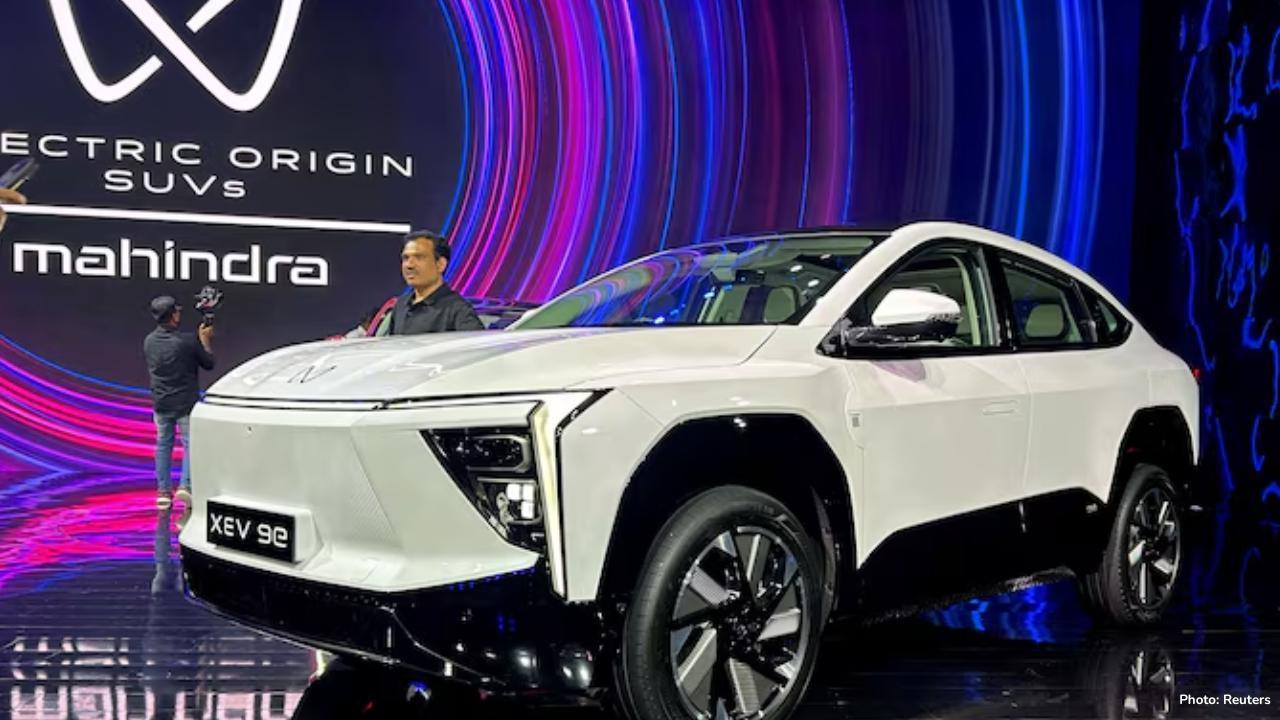
The introduction of new models, such as the electric SUV XEV 9e, further diversified Mahindra's offerings and appealed to environmentally conscious consumers. The company's ability to adapt to changing market dynamics and consumer trends positioned it favorably in a competitive industry.
Looking Ahead
As the festive season progresses, Mahindra aims to capitalize on the momentum generated by the tax cut and increased consumer spending. The company plans to ramp up production and ensure timely deliveries to meet the heightened demand.
Additionally, Mahindra is focusing on expanding its electric vehicle lineup to align with the growing emphasis on sustainability and environmental consciousness among consumers. The government's supportive policies for EVs, including lower GST rates, provide an encouraging backdrop for Mahindra's initiatives in this segment.
In conclusion, the combination of favorable tax policies and cultural factors like the Navratri festival played a crucial role in boosting Mahindra's SUV sales in September 2025.
The company's ability to leverage these opportunities underscores the importance of aligning business strategies with government policies and consumer sentiments in a dynamic market environment.









Mattel Revives Masters of the Universe Action Figures Ahead of Film Launch
Mattel is reintroducing Masters of the Universe figures in line with its upcoming film, tapping into

China Executes 11 Members of Criminal Clan Linked to Myanmar Scam
China has executed 11 criminals associated with the Ming family, known for major scams and human tra

US Issues Alarm to Iran as Military Forces Deploy in Gulf Region
With a significant military presence in the Gulf, Trump urges Iran to negotiate a nuclear deal or fa

Copper Prices Reach Unprecedented Highs Amid Geopolitical Turmoil
Copper prices soar to all-time highs as geopolitical tensions and a weakening dollar boost investor

New Zealand Secures First Win Against India, Triumph by 50 Runs
New Zealand won the 4th T20I against India by 50 runs in Vizag. Despite Dube's impressive 65, India