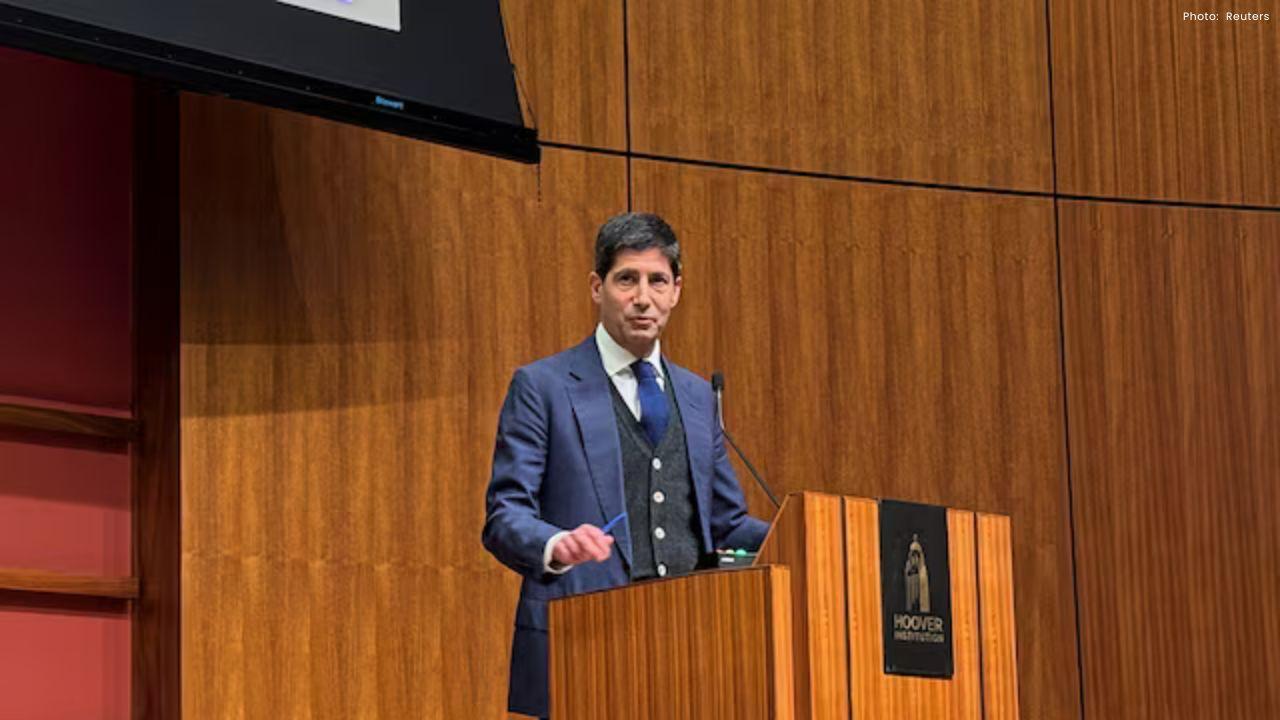
Post by : Saif Nasser
Kevin Warsh, a former U.S. Federal Reserve governor, has been nominated by President Donald Trump to lead the central bank. The choice reflects Trump’s desire for deep changes at the Federal Reserve, especially lower interest rates and a shift in how the institution works. However, experts say turning these ideas into reality will be difficult because of economic limits, legal rules, and resistance inside the Fed itself.
Warsh has strong political ties to Trump and close connections to Wall Street. He is known for his sharp criticism of the Federal Reserve after leaving his post in 2011. Trump has publicly demanded steep interest rate cuts, possibly down to levels usually seen during major crises. While Warsh supports growth, he is also known as someone who worries about inflation, which could make such aggressive cuts unlikely.
Financial markets also do not expect big changes soon. Investors are pricing in only two small rate cuts in 2026. This suggests that Warsh, even as Fed chair, would still have to listen to economic data and the opinions of other policymakers rather than act alone.
The Federal Reserve is not run by one person. Major decisions require agreement among 18 policymakers, including governors and regional bank presidents. Any major reform would need support not just from inside the Fed, but also from the White House, the Treasury Department, and possibly Congress. Changes to laws governing the Fed would require approval from lawmakers, making fast reform unlikely.
Warsh has often argued that the Fed has drifted away from its core mission. He has criticized its large balance sheet, which grew during the financial crisis and the pandemic. This balance sheet plays a key role in managing interest rates and keeping banks stable. Experts say shrinking it too much could disrupt financial markets and global dollar flows.
Some changes may be easier to make. The Fed has already reduced its focus on climate change programs and diversity initiatives. A new chair could also tighten control over public messaging and reduce the number of speeches by regional bank presidents to avoid confusion in markets.
Warsh has also questioned the economic models the Fed uses to guide policy. Current Chair Jerome Powell has defended these tools but invited better alternatives. If Warsh pushes for new models, it could signal how serious he is about reforming the institution’s thinking.
Despite strong words about change, many analysts believe Warsh will act cautiously. Maintaining trust in financial markets is crucial, and sudden or extreme moves could cause instability. As one economist noted, Warsh is likely to avoid actions that could overheat the economy or damage confidence.
In the end, reshaping the Federal Reserve is far more complex than making campaign promises. While Warsh may set a new tone, deep structural change will take time, negotiation, and compromise. The path ahead shows that even with political backing, reforming a powerful and independent institution like the Fed is never simple.





DAE Achieves Remarkable Growth in Q1 2026 With Record Revenue
Dubai Aerospace Enterprise announces impressive financial results for Q1 2026, reflecting a surge in

Price Increase for Sony PS5 in Southeast Asia Effective May 1
Sony announces a price increase for the PS5 across Southeast Asia starting May 1, 2026, impacting ga

Potential ‘Super El Niño’ in 2026: Understanding the Climate Risks
Could a Super El Niño emerge in 2026? Discover its implications and potential global climate impacts

Global Energy Crisis Intensifies: Markets React to Oil Supply Challenges
Markets are on edge as oil disruptions escalate, influencing prices and economic stability. Explore

Must-See Tourist Spots in London You Can't Overlook
Explore London's essential attractions, from royal landmarks to vibrant markets, ensuring an unforge

Ultimate Guide to Snagging Cheap Flights in 2026
Unlock the secrets to booking affordable flights in 2026 with insightful tips and strategies tailore




