Post by : Sami Jeet
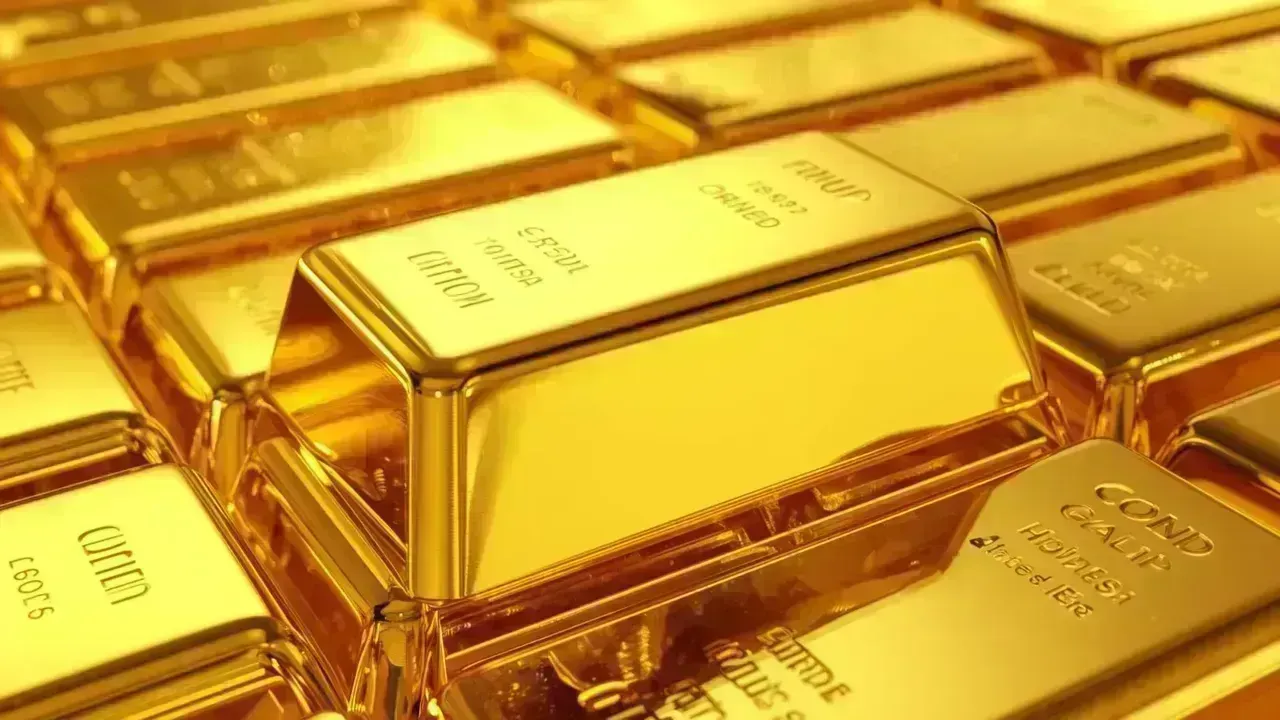
Gold has long been a cornerstone in the global financial landscape, revered for its stability and role as a safe haven during tumultuous times. Recently, forecasts have emerged suggesting that gold might spike to $8000 within the coming five years. While this projection may initially seem extreme, it has begun to garner significant interest from investors, economists, and market analysts.
But what underpins this bold prediction? Is it rooted in reality, or merely speculative? To grasp this, we must look deeper into the economic dynamics at play that affect gold pricing.
Gold's status as a safety net stems from its capacity to maintain value during economic downturns. Unlike currency, gold is immune to direct governmental or central authority control. In times of market turbulence, rising inflation, or geopolitical unrest, investors often turn to gold to safeguard their assets, driving demand and thus boosting prices.
One of the strongest arguments for a notable rise in gold prices relates to persistent inflation trends. As central banks continue to inject liquidity into economies, fiat currency values may decline. When purchasing power diminishes, gold becomes a viable asset for preservation.
If global inflation persists, the demand for gold could experience a notable uptick, potentially catalyzing considerable price increases.
Central banks worldwide have ramped up their gold holdings in recent years, signaling a shift away from reliance on traditional currencies like the US dollar. An uptick in institutional gold accumulation indicates long-term confidence in the metal and could place additional upward pressure on gold prices.
Ongoing global tensions, trade disputes, and political instability often impact financial markets. In uncertain times, investors seek out assets less susceptible to external shocks. Gold, as a tangible and universally recognized asset, is increasingly favored under such conditions.
Continuing or escalating geopolitical instability may propel more investors toward gold, driving prices higher.
Unlike currencies, gold cannot be indefinitely produced. The extraction of gold is a labor-intensive and lengthy process, with new discoveries remaining rare. As demand surges from investors, central banks, and various industries, this disconnect between supply and demand plays a crucial role in long-term price trends.
Market sentiment significantly influences gold pricing. If investor confidence swells regarding gold's upward trajectory, it can create a self-perpetuating cycle of increased buying and higher prices.
Nevertheless, it's essential to recognize that sentiment can shift rapidly; while it may drive prices upward, it can also lead to significant corrections if expectations alter.
Achieving a price of $8000 would necessitate substantial alterations in global economic circumstances, likely marked by high inflation, currency depreciation, strong demand, and ongoing geopolitical risks.
While such a situation isn't beyond the realm of possibility, it remains uncertain. Market forecasts depend on a multitude of variables, many of which are inherently unpredictable. Investors are advised to view such predictions as potential scenarios rather than certainties.
The prospect of rising gold prices presents both opportunities and challenges for investors. Gold serves as a hedge against inflation and economic instability, making it a critical part of a well-rounded investment portfolio. However, an exclusive focus on gold might not be the wisest strategy.
A diversified approach that blends gold with other assets can aid in risk management while still capitalizing on possible growth.
The bold forecast of gold reaching $8000 within five years demands careful consideration. While numerous factors support a potential rise, it is crucial to maintain a realistic and cautious viewpoint.
Gold is likely to persist as a pivotal element in global finance, especially during uncertain times. Regardless of whether it attains lofty heights, understanding the forces driving its movement can equip investors to make well-informed decisions.
This article serves informational purposes only and does not provide financial or investment advice. Market dynamics can shift quickly, and investment choices should be made based on personal research and consultation with financial professionals.









DAE Achieves Remarkable Growth in Q1 2026 With Record Revenue
Dubai Aerospace Enterprise announces impressive financial results for Q1 2026, reflecting a surge in

Price Increase for Sony PS5 in Southeast Asia Effective May 1
Sony announces a price increase for the PS5 across Southeast Asia starting May 1, 2026, impacting ga

Potential ‘Super El Niño’ in 2026: Understanding the Climate Risks
Could a Super El Niño emerge in 2026? Discover its implications and potential global climate impacts

Global Energy Crisis Intensifies: Markets React to Oil Supply Challenges
Markets are on edge as oil disruptions escalate, influencing prices and economic stability. Explore

Must-See Tourist Spots in London You Can't Overlook
Explore London's essential attractions, from royal landmarks to vibrant markets, ensuring an unforge

Ultimate Guide to Snagging Cheap Flights in 2026
Unlock the secrets to booking affordable flights in 2026 with insightful tips and strategies tailore




