Post by : Shweta
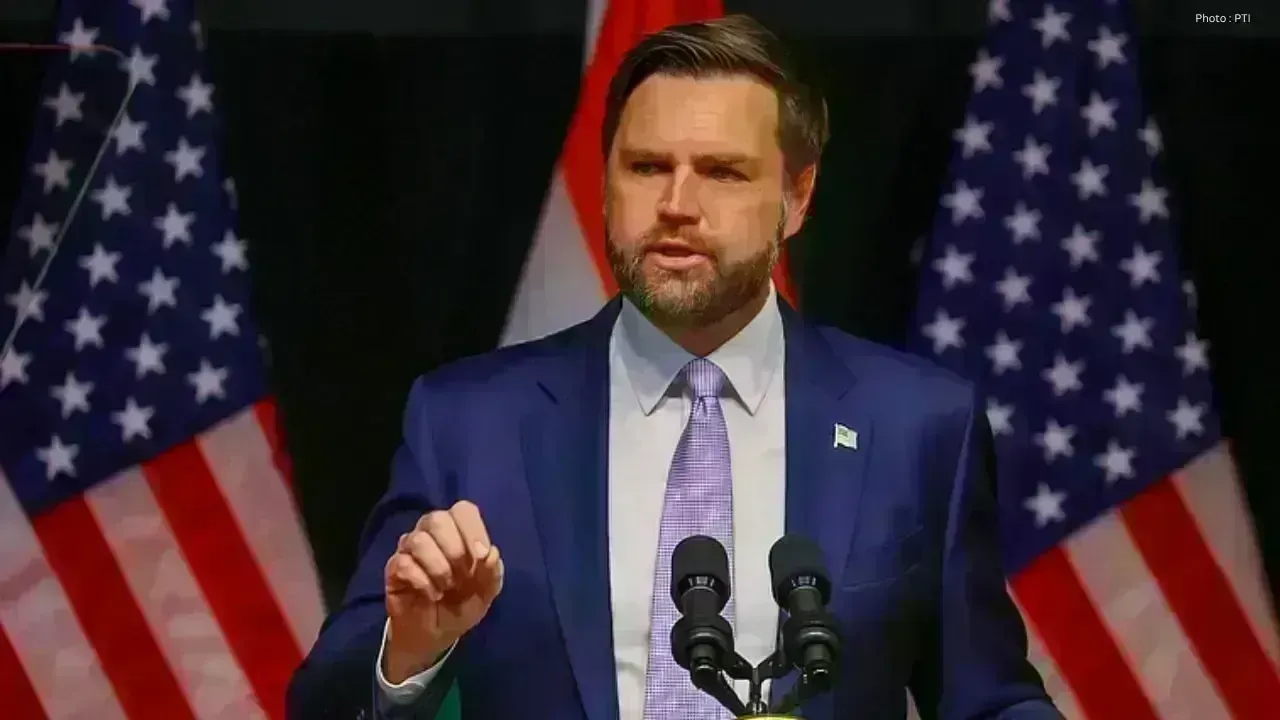
In a recent statement, US Vice President JD Vance warned that America is “locked and loaded” should the current diplomatic negotiations with Iran falter, indicating a tougher US stance amidst escalating tension due to Iran's nuclear ambitions and regional security issues. This proclamation has garnered international attention as ongoing efforts try to curb potential escalation in the Middle East.
During a discussion on American foreign policy, Vance reiterated that while the US seeks a diplomatic resolution, it is fully equipped to take decisive action should negotiations fall short. He underscored the commitment of the United States to prevent Iran from destabilizing the region or pushing forward its nuclear weapon development. This bold language suggests growing frustration regarding the slow pace of talks.
Discussions between Iran and Western nations have primarily revolved around Tehran’s nuclear agenda, including sanctions and measures for international oversight. Although US officials maintain that diplomacy is the optimal route, they have consistently cautioned that every option remains on the table if discussions collapse. Vance’s remarks signal one of the most assertive stances from the administration concerning possible future responses.
Iran has been steadfast in defending its nuclear program, asserting that it is designed for peaceful energy and scientific objectives. Nonetheless, concerns from Western powers and regional allies persist regarding the potential expansion of Iran’s nuclear capabilities beyond civilian applications. This issue has long been a flashpoint affecting relations between Iran, the US, and European nations.
Analysts suggest that Vance’s warning may also serve to intensify diplomatic pressure on Tehran at this critical juncture in the negotiations. Ongoing conflicts, military tensions, and security challenges throughout the Middle East have contributed to regional instability. Any breakdown in talks could heighten fears of a broader confrontation involving global powers and key American allies.
The United States has been bolstering military preparedness in the region while simultaneously pursuing diplomatic engagement. Officials assert that their aim is to prevent conflict while safeguarding national security interests and ensuring stability in the Middle East. Concurrently, Washington has collaborated closely with both European and regional partners to align its strategy regarding Iran.
Experts indicate that the outcome of the ongoing negotiations could significantly affect global energy markets, regional security, and international diplomacy. Heightened tensions between the US and Iran have already exerted influence on oil prices and caused increased uncertainty within global markets. Many nations are closely monitoring these discussions, hopeful that diplomatic paths can avert further escalation.
Despite his stern warning, US officials reiterate that diplomacy remains the favored option. However, Vance’s statements make it evident that Washington is preparing for more stringent actions should substantial progress not be made in the forthcoming weeks.






Meta Unveils Subscription Plans for Instagram, Facebook, and WhatsApp
Meta introduces new subscription plans for users of Instagram, Facebook, and WhatsApp, featuring enh

Suvarna Joy on Education Leadership, Resilience, and Building Purpose Through Adversity in the UAE
Suvarna Joy shares her journey of education leadership, motherhood, faith, and resilience within the

Anticipated Dates for UAE Eid Al Adha 2026 Unveiled by Astronomical Experts
Experts predict Eid Al Adha 2026 in the UAE to start on May 27, prompting early holiday planning amo

DAE Achieves Remarkable Growth in Q1 2026 With Record Revenue
Dubai Aerospace Enterprise announces impressive financial results for Q1 2026, reflecting a surge in

Price Increase for Sony PS5 in Southeast Asia Effective May 1
Sony announces a price increase for the PS5 across Southeast Asia starting May 1, 2026, impacting ga

Potential ‘Super El Niño’ in 2026: Understanding the Climate Risks
Could a Super El Niño emerge in 2026? Discover its implications and potential global climate impacts




