Post by : Raina Nasser
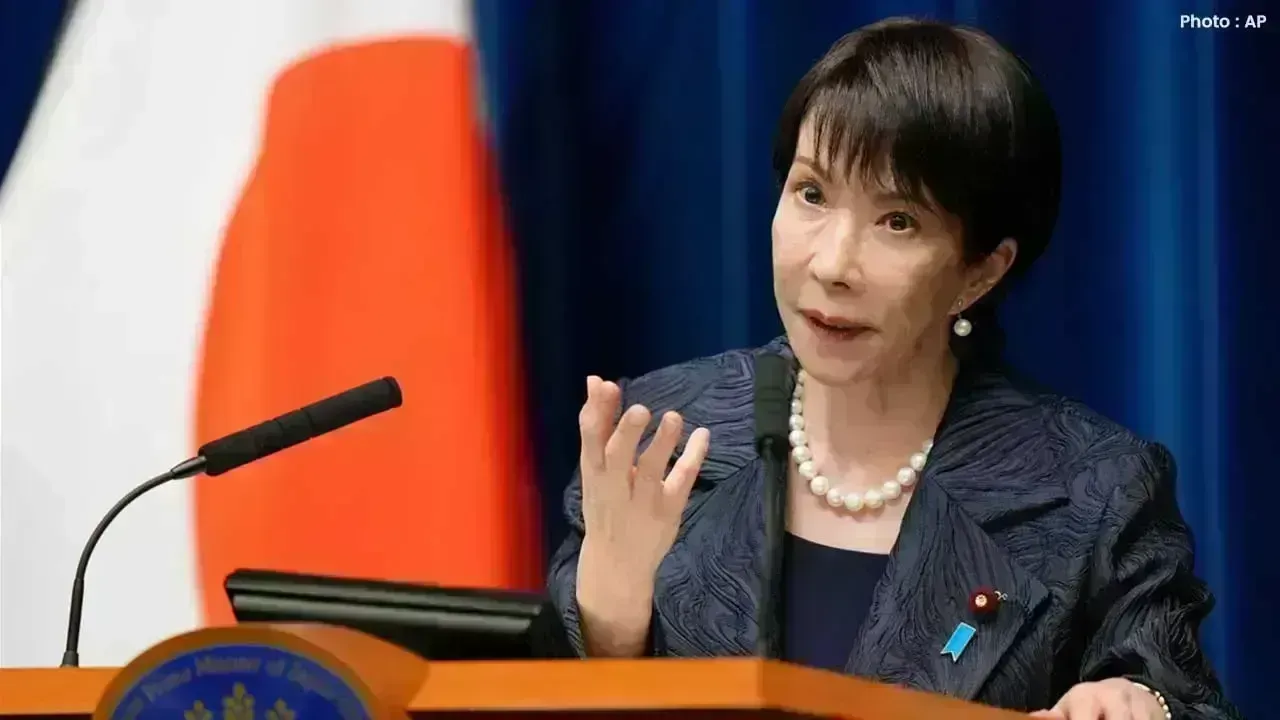
Sanae Takaichi, the first female Prime Minister of Japan, is at a crossroads over a deeply entrenched sumo tradition that prohibits women from entering the dohyo, or sumo ring. Since her historic election in October 2025, Takaichi finds herself having to determine whether to visit this male-only domain when she presents the coveted Prime Minister’s Cup at upcoming sumo events.
The ongoing Kyushu Grand Sumo Tournament, concluding this Sunday, will award its champion the Prime Minister’s Cup—a role traditionally filled by male leaders like former Prime Minister Junichiro Koizumi, who have stepped into the ring for the occasion. However, Takaichi is expected to miss this ritual, as she returns a day later from her engagement at the Group of 20 (G20) summit in South Africa. She might have another chance during the New Year’s tournament in Tokyo.
The exclusion of women from entering sumo rings stems from cultural practices, though the Japan Sumo Association refutes any connections to the Shinto notion of female “impurity.” The dohyo is venerated, with historical precedents confining participation and rituals there strictly to men. While some scholars suggest that this practice is grounded in ancient Shinto customs, others argue it simply reflects a long-standing male-dominated tradition.
This controversy shines a light on the broader issues of gender norms in Japan. Women have faced barriers at various shrines, temples, sacred mountains, and festivals—often linked to cultural beliefs about menstruation, motherhood, and traditional roles. Although many restrictions have been eased over time, several remain, particularly within the realm of professional sumo.
As a conservative politician, Takaichi often endorses traditional gender expectations. She has resisted amendments to laws permitting married couples to retain separate surnames and has advocated for male-only succession within Japan’s imperial lineage. Should she make the bold move to enter the sumo ring, it could be viewed as a challenge to these traditions, potentially alienating right-wing backers who cherish customs.
The topic of women's participation in sumo is a long-standing issue. Notable events include a 1978 ruling that barred a female bureaucrat from a children's sumo match, a 1990 incident where a government spokesperson could not enter to award the Prime Minister’s Cup, and the 2018 episode where female medical personnel were ousted from the ring while attending to an emergency for a collapsed mayor—this incited widespread outrage and criticism towards the Japan Sumo Association. Despite these occurrences, the Association has maintained its stance on the ban.
Activists and social commentators argue that the ongoing exclusion of women from the sumo ring fails to resonate with contemporary values. Professor Naoko Kobayashi, a scholar in religion and gender studies, stated, “The premise that excludes women based on male-centric traditions can no longer be sustained in today’s society.”
Takaichi’s impending decision regarding her entry into the sumo ring will capture both national and global attention, encapsulating the ongoing conflict between traditional customs and the pursuit of gender equality in Japan.









Price Increase for Sony PS5 in Southeast Asia Effective May 1
Sony announces a price increase for the PS5 across Southeast Asia starting May 1, 2026, impacting ga

Potential ‘Super El Niño’ in 2026: Understanding the Climate Risks
Could a Super El Niño emerge in 2026? Discover its implications and potential global climate impacts

Global Energy Crisis Intensifies: Markets React to Oil Supply Challenges
Markets are on edge as oil disruptions escalate, influencing prices and economic stability. Explore

Must-See Tourist Spots in London You Can't Overlook
Explore London's essential attractions, from royal landmarks to vibrant markets, ensuring an unforge

Ultimate Guide to Snagging Cheap Flights in 2026
Unlock the secrets to booking affordable flights in 2026 with insightful tips and strategies tailore

The Impact of Consistent Small Investments on Wealth Building
Discover how investing small amounts regularly can positively transform your financial future over t