Post by : Saif Nasser
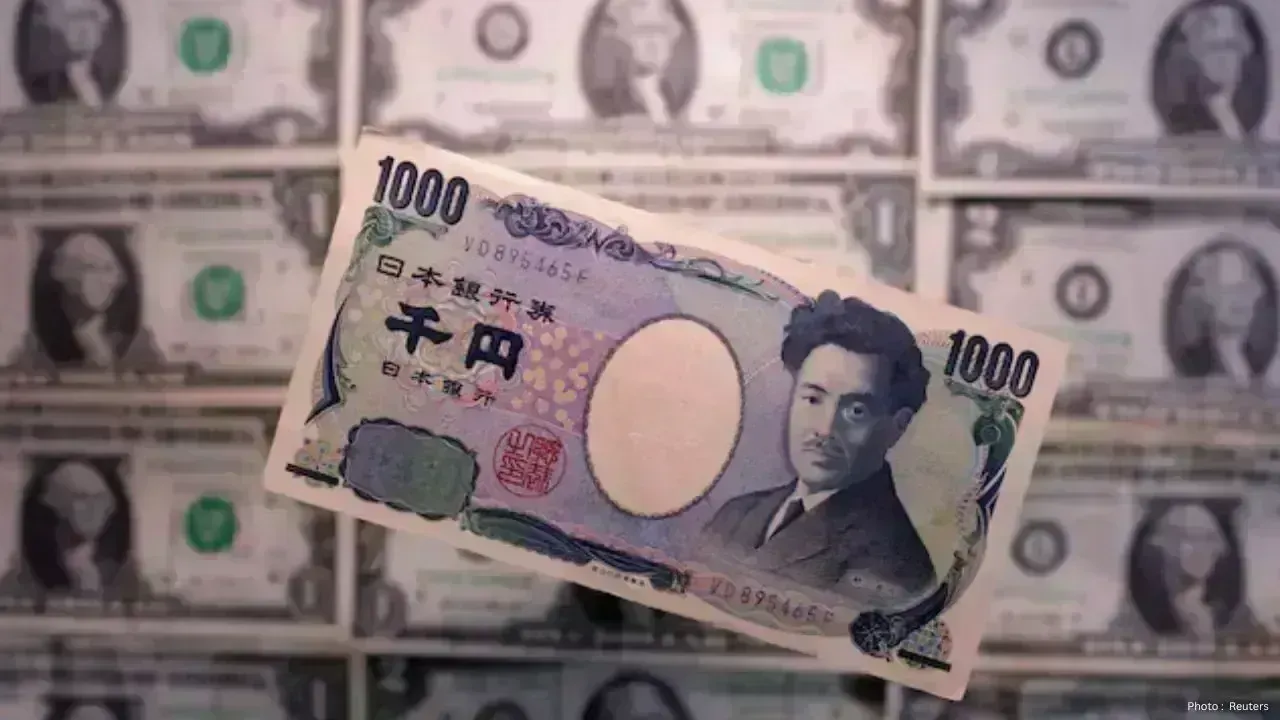
Japan has made it clear that it is ready to take action to stabilize its currency, the yen, even though the International Monetary Fund (IMF) classifies it as a floating exchange rate. The country’s top foreign exchange official said that this classification does not stop Japan from stepping into the market if needed.
The statement comes at a time when the Japanese yen has been facing strong pressure in global currency markets. The yen has weakened significantly against the US dollar in recent months, raising concerns about rising import costs and economic stability.
Japanese authorities are now closely watching the currency markets. Officials have warned that they may take action if the yen moves too quickly or becomes too unstable. Such actions are often referred to as currency intervention, where a government buys or sells its own currency to influence its value.
The IMF classifies currencies into different categories based on how they are managed. A floating exchange rate means that the value of a currency is mostly decided by market forces such as supply and demand. However, Japan has made it clear that even under a floating system, governments still have the right to act during extreme market conditions.
Japan’s forex chief explained that the IMF’s classification does not restrict countries from responding to excessive market movements. The focus, he said, is on preventing disorderly changes that can harm the economy rather than controlling the currency at all times.
The weakening yen has created both challenges and opportunities for Japan. On one hand, a weaker currency makes imports more expensive. This increases the cost of fuel, food, and raw materials, which can lead to higher inflation for consumers.
On the other hand, a weaker yen can benefit exporters. Japanese companies that sell products overseas may earn more when profits are converted back into yen. This can support economic growth and boost corporate earnings.
However, sharp or unpredictable currency movements can create uncertainty in financial markets. Businesses find it difficult to plan investments, and investors may become cautious. This is why governments sometimes step in to calm markets.
Japan has a history of intervening in currency markets during periods of extreme volatility. In past years, authorities have bought yen to support its value when it fell too quickly. Such actions are usually taken in coordination with central banks and are carefully monitored by global financial institutions.
The current situation is also influenced by global economic factors. Interest rate differences between Japan and the United States have played a major role in weakening the yen. While the US Federal Reserve has raised interest rates to control inflation, Japan has kept its rates relatively low to support economic growth.
This gap makes the US dollar more attractive to investors, leading to increased demand for dollars and a weaker yen. As a result, Japan is facing pressure to manage its currency without disrupting global financial stability.
The statement from Japan’s forex chief is also meant to send a signal to the market. By showing readiness to act, authorities hope to discourage excessive speculation against the yen. Sometimes, strong verbal warnings alone can influence market behavior.
Experts believe that Japan will continue to follow a careful approach. Direct intervention is usually seen as a last option, used only when market conditions become extreme. In most cases, governments prefer to rely on communication and policy adjustments to guide the market.
The IMF also plays an important role in monitoring global currency practices. While it supports flexible exchange rates, it allows countries to act in cases where market movements become disorderly or harmful to the economy.
Japan’s position reflects a balance between respecting global financial rules and protecting national economic interests. The government wants to ensure stability without creating unnecessary tension in international markets.
The situation also highlights how closely connected global economies have become. Currency movements in one country can affect trade, investment, and financial markets worldwide. This makes coordination and clear communication between countries very important.
For now, Japan is keeping a close watch on the yen and global market trends. Authorities are ready to act if needed, but they are also cautious about the timing and impact of any intervention.
The message from Japan is clear: while the yen operates under a floating exchange rate system, the government will not hesitate to step in if market movements become too extreme. Maintaining stability remains the top priority as global economic conditions continue to change.









Anticipated Dates for UAE Eid Al Adha 2026 Unveiled by Astronomical Experts
Experts predict Eid Al Adha 2026 in the UAE to start on May 27, prompting early holiday planning amo

DAE Achieves Remarkable Growth in Q1 2026 With Record Revenue
Dubai Aerospace Enterprise announces impressive financial results for Q1 2026, reflecting a surge in

Price Increase for Sony PS5 in Southeast Asia Effective May 1
Sony announces a price increase for the PS5 across Southeast Asia starting May 1, 2026, impacting ga

Potential ‘Super El Niño’ in 2026: Understanding the Climate Risks
Could a Super El Niño emerge in 2026? Discover its implications and potential global climate impacts

Global Energy Crisis Intensifies: Markets React to Oil Supply Challenges
Markets are on edge as oil disruptions escalate, influencing prices and economic stability. Explore

Must-See Tourist Spots in London You Can't Overlook
Explore London's essential attractions, from royal landmarks to vibrant markets, ensuring an unforge




