Post by : Saif Nasser
Protein is often seen as the most important nutrient for fat loss, but not all protein-rich foods are helpful when trying to lose weight. In fact, some high-protein foods can slow down fat loss because they contain hidden calories, unhealthy fats, or added sugar.
Health experts say that choosing the right type of protein is just as important as eating enough of it. While protein helps control hunger, build muscle, and support metabolism, poor choices can lead to weight gain instead of fat loss.
Why Protein Matters in Fat Loss
Protein plays a key role in weight loss. It helps you feel full, reduces cravings, and supports muscle growth. Studies show that eating enough protein can help people stay in a calorie deficit, which is essential for losing fat.
However, experts also warn that eating too much protein or choosing the wrong sources can add extra calories and slow progress.
Protein Foods That Can Harm Fat Loss
Many foods are marketed as “high protein,” but they may not be ideal for fat loss. Here are some common examples:
1. Processed Meats
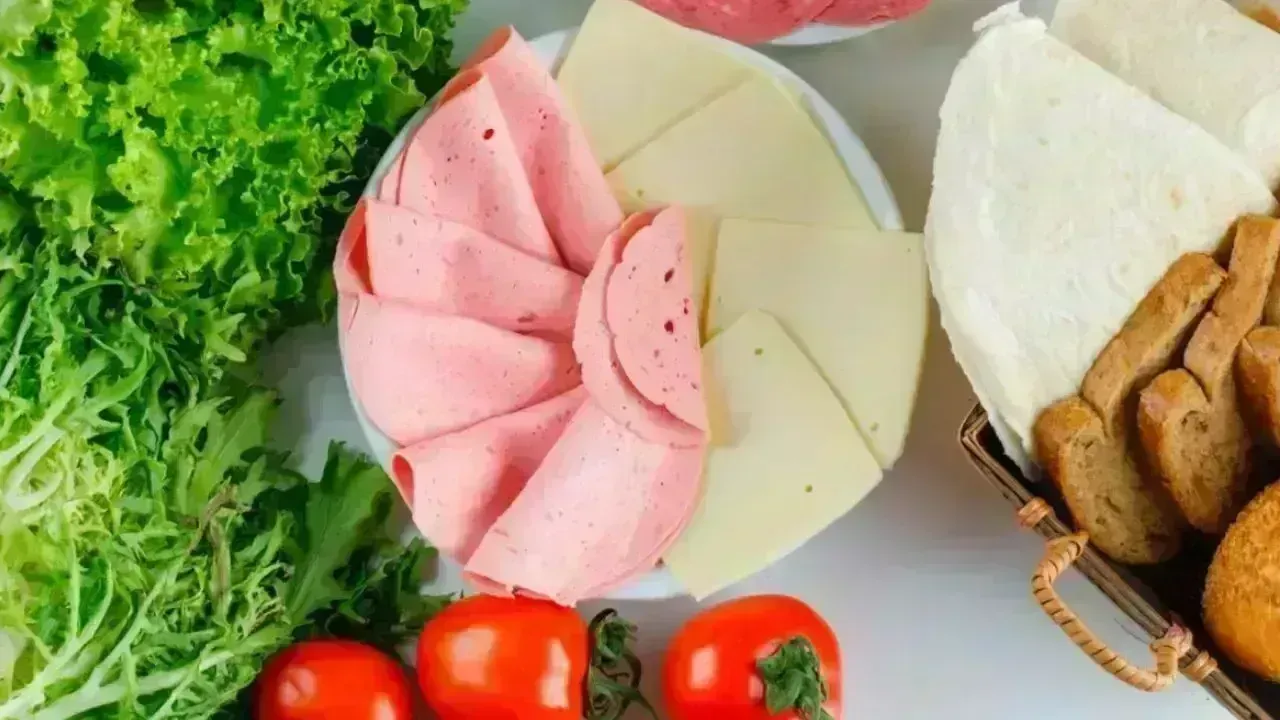
Foods like sausages, bacon, and deli meats are high in protein but also contain unhealthy fats, salt, and preservatives. These can increase calorie intake and harm overall health.
2. Fried or Breaded Protein Foods
Chicken is a good lean protein, but frying or adding breading increases calories due to oil and refined carbs. This reduces its benefits for fat loss.
3. Fatty Cuts of Red Meat
Red meat contains protein, but fatty cuts are high in saturated fat. Eating them often can increase calorie intake and slow fat loss progress.
4. Protein Bars
Many protein bars are highly processed and contain added sugar, artificial ingredients, and high calories. Some experts even call them “candy in disguise.”
5. Flavoured Yogurt
Flavoured yogurts may look healthy, but they often contain large amounts of added sugar, making them less suitable for weight loss diets.
6. Sugary Protein Shakes
Not all protein shakes are healthy. Some contain added sugar and calories that can cancel out the benefits of protein.
7. Cheese-Heavy Meals
Cheese contains protein but is also high in fat and calories. Eating too much can lead to excess calorie intake.
8. Highly Processed Plant-Based Meats
Plant-based meats are often marketed as healthy, but many are heavily processed and contain added fats and chemicals.
What You Should Eat Instead
For effective fat loss, experts recommend choosing clean and lean protein sources such as:
Grilled chicken or fish
Eggs (in moderate amounts)
Lentils and beans
Low-fat dairy
Tofu and natural soy products
These foods provide protein without adding too many extra calories. A healthy diet should also include vegetables, fiber, and healthy fats for better results.
Balance Is the Key
The biggest lesson from experts is simple: protein is important, but quality and balance matter more than quantity. Many people fail in their fat loss journey because they focus only on protein and ignore overall calorie intake.
A smart diet plan includes the right mix of protein, carbohydrates, and fats along with regular physical activity. Avoiding highly processed, sugary, and high-fat protein foods can make a big difference in achieving weight loss goals.
Final Thoughts
Protein can be a powerful tool for fat loss, but only when used correctly. Choosing the wrong protein foods can increase calories, cause weight gain, and slow down progress.
The goal should not be to eat more protein, but to eat better protein. Simple, natural, and less processed foods are the best choice for long-term health and sustainable weight loss.









Anticipated Dates for UAE Eid Al Adha 2026 Unveiled by Astronomical Experts
Experts predict Eid Al Adha 2026 in the UAE to start on May 27, prompting early holiday planning amo

DAE Achieves Remarkable Growth in Q1 2026 With Record Revenue
Dubai Aerospace Enterprise announces impressive financial results for Q1 2026, reflecting a surge in

Price Increase for Sony PS5 in Southeast Asia Effective May 1
Sony announces a price increase for the PS5 across Southeast Asia starting May 1, 2026, impacting ga

Potential ‘Super El Niño’ in 2026: Understanding the Climate Risks
Could a Super El Niño emerge in 2026? Discover its implications and potential global climate impacts

Global Energy Crisis Intensifies: Markets React to Oil Supply Challenges
Markets are on edge as oil disruptions escalate, influencing prices and economic stability. Explore

Must-See Tourist Spots in London You Can't Overlook
Explore London's essential attractions, from royal landmarks to vibrant markets, ensuring an unforge




