Post by : Saif Nasser
Recent Israeli airstrikes in southern Lebanon have raised serious concerns about journalist safety in conflict zones. According to reports, one journalist was injured and another was trapped under rubble after strikes hit an area where media workers were present. The incident has once again highlighted the risks faced by reporters covering active conflict areas.
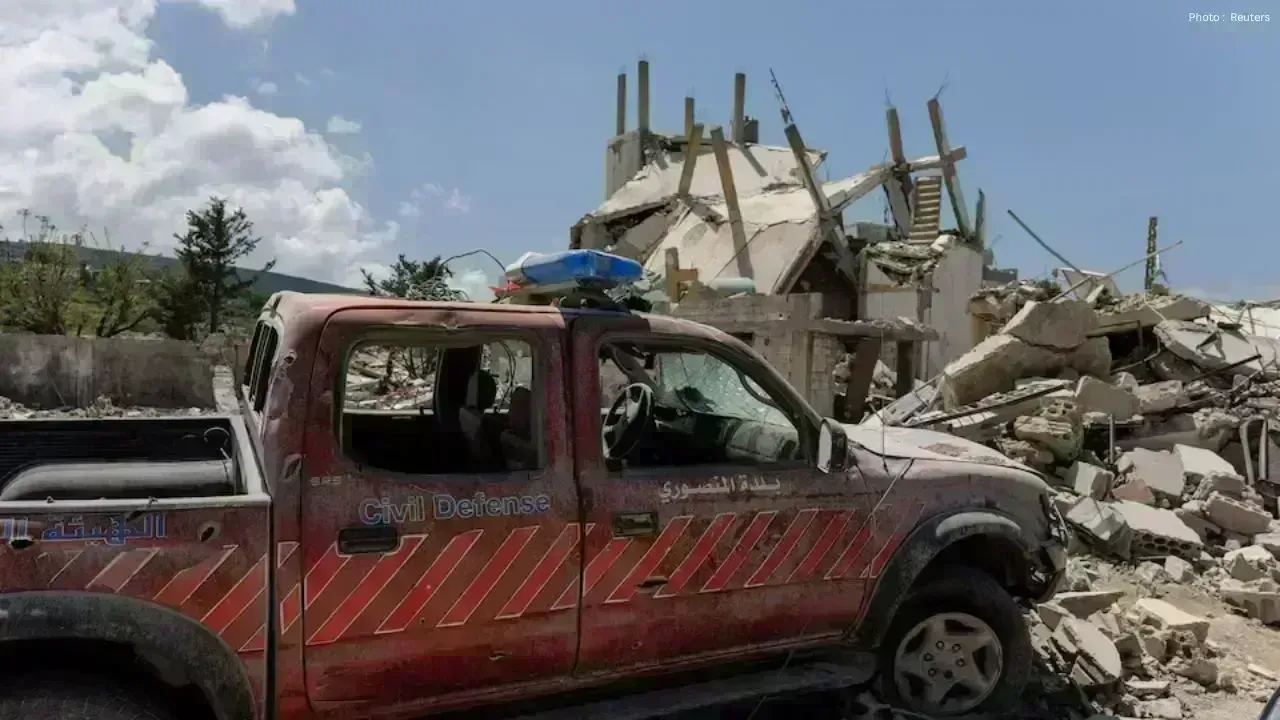
The strikes reportedly took place in a village in southern Lebanon, where journalists were on the ground reporting on the situation. An initial strike hit near their location, forcing them to move for safety. Soon after, another strike hit the same area, leading to injuries and trapping one of the journalists under debris. Rescue teams faced difficulty reaching the site due to continued tension and security risks in the area.
The Israeli military responded by saying that its operations were aimed at specific targets linked to militant activity. It stated that journalists were not the intended targets and denied any deliberate attempt to harm media personnel. However, such incidents continue to raise questions about the safety of civilians and journalists in war zones.
The situation in southern Lebanon remains tense, with ongoing exchanges and military actions increasing the risk for people on the ground. Journalists often work in these difficult environments to provide real-time updates, but they are exposed to the same dangers as civilians. This includes airstrikes, crossfire, and sudden escalations.
The safety of journalists is protected under international law, which calls on all parties in a conflict to avoid harming civilians, including members of the media. Despite these protections, incidents involving journalists continue to occur, leading to concern among press organizations and global observers.
This event also reflects the larger challenges in modern conflict zones, where identifying safe areas is becoming increasingly difficult. Fast-moving situations and repeated strikes can put even experienced journalists at risk.
The impact of such incidents goes beyond those directly affected. When journalists are injured or unable to report, it limits the flow of information from conflict areas. This makes it harder for the world to understand the situation on the ground.
The recent strikes in Lebanon serve as a reminder of the ongoing risks in the region. As tensions continue, ensuring the safety of journalists and civilians remains an important issue that requires attention and responsibility from all sides involved.






Ultimate Guide to Snagging Cheap Flights in 2026
Unlock the secrets to booking affordable flights in 2026 with insightful tips and strategies tailore

The Impact of Consistent Small Investments on Wealth Building
Discover how investing small amounts regularly can positively transform your financial future over t

7.5 Magnitude Earthquake Strikes Japan, Tsunami Alerts Issued
Japan experiences a hefty 7.5 quake, prompting tsunami alerts and safety measures. Stay updated on a
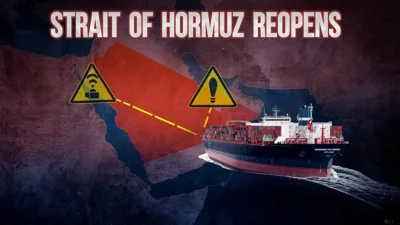
Reopening of the Strait of Hormuz: New Regulations to Impact Global Trade
Iran reopens the strategic Strait of Hormuz with new regulations affecting oil transport and global

Top 10 Must-See Attractions in NYC for First-Time Explorers
Discover essential experiences for first-time visitors to NYC, including attractions, culture, and i

Starbucks Engages Boyu Capital for Major Chinese Expansion
Starbucks teams up with Boyu Capital, selling a majority stake to boost growth and adapt to the Chin