Post by : Saif Nasser
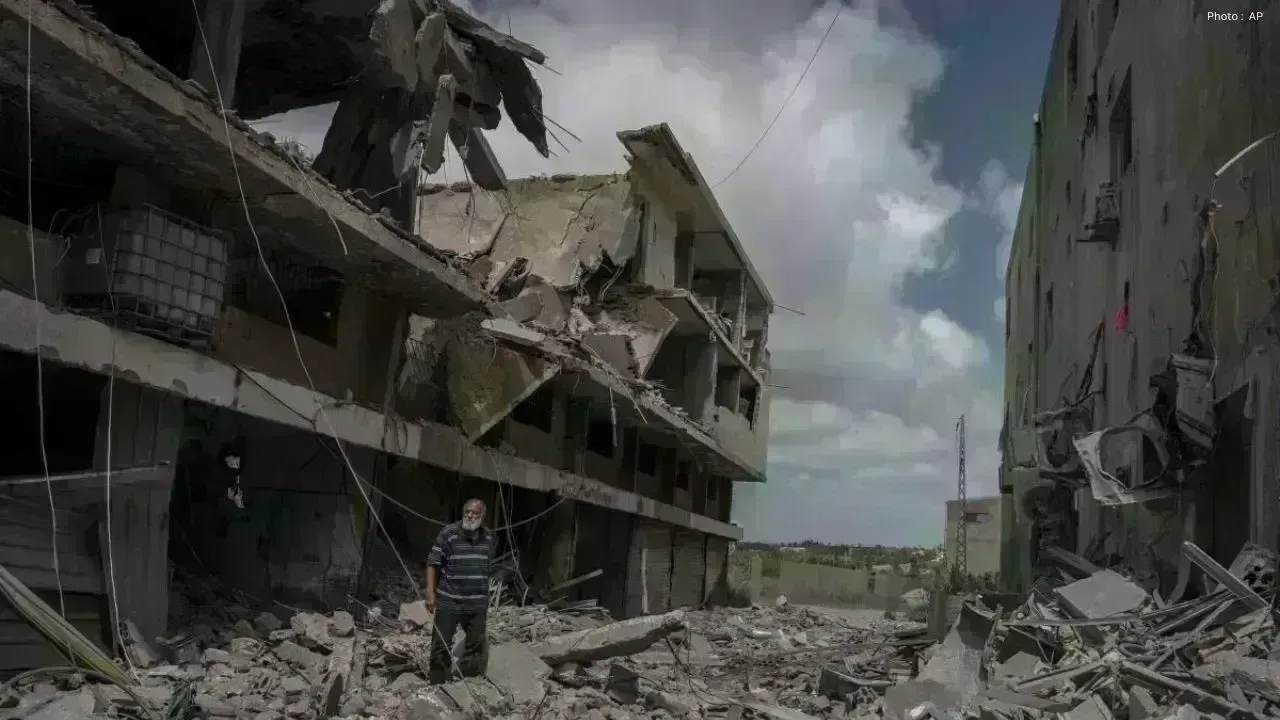
Israeli military action in Lebanon has once again raised concerns about the possibility of a wider conflict in the Middle East. The latest strike, linked to ongoing hostilities involving Hezbollah and Israel, has added uncertainty to the already unstable situation along the border region.
According to reports, the attack targeted an area in southern Lebanon connected to Hezbollah activities. The incident happened during continuing cross-border exchanges that have kept both sides on alert for several months. Residents living near the frontier are facing growing fear as military operations and security warnings continue to affect normal life.
Israeli authorities have repeatedly stated that military operations are being carried out to prevent attacks and protect communities located near the border. Officials claim armed groups operating in the area pose a serious security risk. Meanwhile, Hezbollah continues to describe its role as resistance against Israeli military actions in the region.
The latest strike highlighted the fragile security conditions between both sides. Explosions and military responses in nearby areas have forced many families to leave their homes, while schools, markets, and businesses have struggled to function normally.
Lebanon has already been dealing with serious economic and political difficulties for years. Increasing violence near the southern border has placed additional pressure on the country’s weak infrastructure and struggling economy. Local communities fear continued fighting could create more destruction in areas still recovering from earlier crises.
Security experts believe the risk of a broader confrontation remains serious. Although both sides may wish to avoid full-scale war, repeated military exchanges increase the chances of sudden escalation. Even limited attacks can quickly lead to stronger responses and larger military operations.
The situation has also attracted international attention because instability in the Middle East often affects global diplomacy, trade routes, and regional security partnerships. Several countries and international organizations have called for restraint and urged all sides to avoid actions that could worsen the conflict.
Civilians continue to suffer the most during such confrontations. Families living near the border face uncertainty, displacement, and fear of additional attacks. Humanitarian organizations have warned that prolonged violence may worsen living conditions and increase the demand for emergency support.
Political analysts say the conflict is closely connected to wider developments across the Middle East, including issues linked to Gaza, Iran, and armed groups operating in different parts of the region. Events in one area often influence reactions elsewhere, making the overall situation highly sensitive.
Military operations in populated areas also create long-term emotional and social effects. Children growing up in conflict zones often experience fear, interrupted education, and emotional stress caused by repeated violence and insecurity.
International observers believe diplomatic communication remains necessary to prevent further escalation. Without meaningful dialogue and efforts to reduce hostilities, the possibility of a larger regional conflict may continue to increase. Previous clashes between Israel and Hezbollah have shown how quickly border incidents can develop into major military confrontations.
The current situation also reflects the deep political divisions that continue shaping the Middle East. Rivalries involving regional powers, armed organizations, and international allies frequently make peace efforts more difficult. Every new strike or military response adds another challenge to an already unstable environment.
Many people in Lebanon are worried about the possibility of another major war similar to past conflicts in the region. Communities near the southern border remain especially vulnerable as military activity continues nearby.
Attention will now remain focused on whether diplomatic efforts can reduce violence and prevent further military escalation. Political leaders, humanitarian agencies, and international organizations are expected to continue closely monitoring developments in the coming days.
The latest Israeli strike in Lebanon serves as another reminder of how quickly regional disputes can develop into wider security crises. Stability in the Middle East will depend largely on restraint, communication, and efforts to avoid additional military action.



Meta Unveils Subscription Plans for Instagram, Facebook, and WhatsApp
Meta introduces new subscription plans for users of Instagram, Facebook, and WhatsApp, featuring enh

Suvarna Joy on Education Leadership, Resilience, and Building Purpose Through Adversity in the UAE
Suvarna Joy shares her journey of education leadership, motherhood, faith, and resilience within the

Anticipated Dates for UAE Eid Al Adha 2026 Unveiled by Astronomical Experts
Experts predict Eid Al Adha 2026 in the UAE to start on May 27, prompting early holiday planning amo

DAE Achieves Remarkable Growth in Q1 2026 With Record Revenue
Dubai Aerospace Enterprise announces impressive financial results for Q1 2026, reflecting a surge in

Price Increase for Sony PS5 in Southeast Asia Effective May 1
Sony announces a price increase for the PS5 across Southeast Asia starting May 1, 2026, impacting ga

Potential ‘Super El Niño’ in 2026: Understanding the Climate Risks
Could a Super El Niño emerge in 2026? Discover its implications and potential global climate impacts




