Post by : Shweta
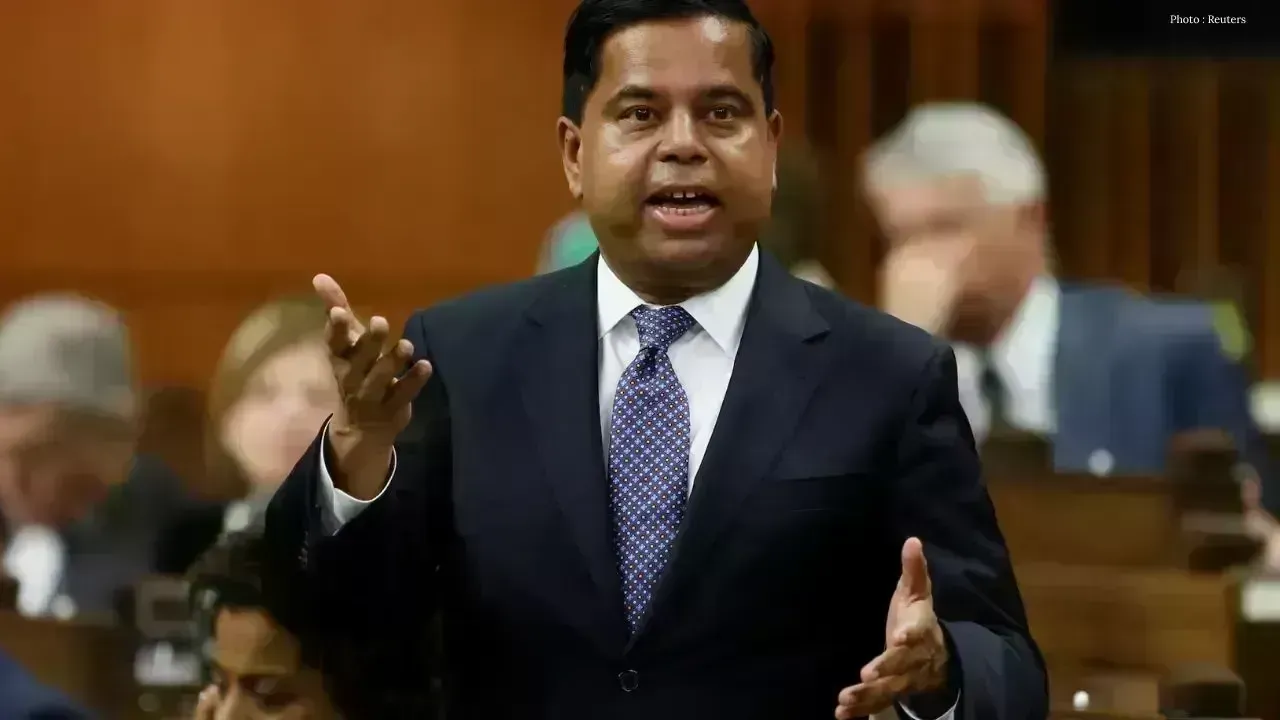
In response to rising concerns from technology experts, civil rights advocates, and privacy organizations, Canada’s Public Safety Minister has vowed to amend the proposed lawful-access legislation aimed at addressing public safety without compromising encryption. The minister emphasized that protecting Canadians' private communications is a priority, acknowledging the critical role strong encryption plays.
The initial bill, designed to enhance law enforcement capabilities against serious crimes and cyber threats, had sparked significant backlash. Critics warned that its provisions might jeopardize the encryption technologies essential for many Canadians’ everyday transactions and communications, raising fears of making systems vulnerable to cyberattacks.
Amidst mounting critique, the Public Safety Minister reassured that the government intends to uphold encryption standards rather than erode them, reinforcing the necessity of secure digital communications for personal and national security. Proposed adjustments are expected to clarify the legislation's stance on maintaining robust digital communication safeguards.
This ongoing discourse reflects broader global conversations around balancing law enforcement needs with the protection of personal privacy rights. While law enforcement argues that encrypted systems can hinder investigations into serious offenses, advocates stress that compromising encryption could expose citizens to greater risks in the digital realm.
Industry experts have also reacted firmly against the initial proposal. They contended that introducing “backdoor access” could severely damage citizens' trust in Canadian digital services, potentially leading to broader cybersecurity issues. Robust encryption is seen as vital in shielding individuals and businesses from evolving online threats.
In acknowledging these challenges, the minister indicated plans to collaborate with cybersecurity experts, privacy advocates, and law enforcement agencies throughout the legislation process to find a viable compromise that respects both public safety and digital rights.
Political analysts anticipate that this topic will continue to evoke intense debate in Parliament, given the essential nature of encryption in contemporary communications. The government faces the task of crafting legislation that effectively supports crime investigations while still safeguarding Canadians' digital security.
Privacy groups have welcomed the minister's commitment to revise the law but remain vigilant, advocating for strong encryption as crucial not only for individual rights but also for national security and key infrastructural operations.
As these discussions progress, it underscores the intricate balance that governments worldwide must navigate between ensuring national security and upholding digital freedoms in an interconnected society.










Meta Unveils Subscription Plans for Instagram, Facebook, and WhatsApp
Meta introduces new subscription plans for users of Instagram, Facebook, and WhatsApp, featuring enh

Suvarna Joy on Education Leadership, Resilience, and Building Purpose Through Adversity in the UAE
Suvarna Joy shares her journey of education leadership, motherhood, faith, and resilience within the

Anticipated Dates for UAE Eid Al Adha 2026 Unveiled by Astronomical Experts
Experts predict Eid Al Adha 2026 in the UAE to start on May 27, prompting early holiday planning amo

DAE Achieves Remarkable Growth in Q1 2026 With Record Revenue
Dubai Aerospace Enterprise announces impressive financial results for Q1 2026, reflecting a surge in

Price Increase for Sony PS5 in Southeast Asia Effective May 1
Sony announces a price increase for the PS5 across Southeast Asia starting May 1, 2026, impacting ga

Potential ‘Super El Niño’ in 2026: Understanding the Climate Risks
Could a Super El Niño emerge in 2026? Discover its implications and potential global climate impacts




