Post by : Shakul
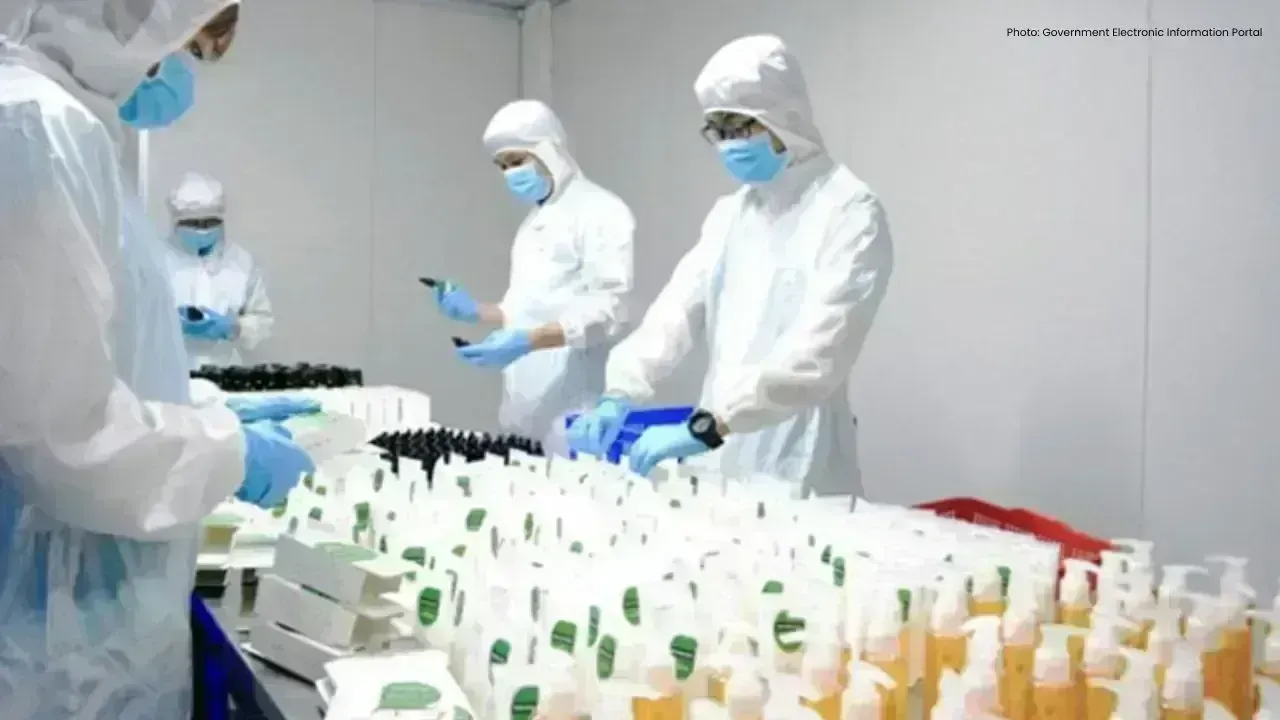
The Ministry of Health in Vietnam has unveiled plans for a new decree designed to enhance the regulation and oversight of cosmetics throughout the nation. Currently in the public consultation stage, this draft aims to supplant Decree No. 93/2016/ND-CP to rectify outdated guidelines and align cosmetic safety practices with global standards.
Recent evaluations by the Ministry indicated significant gaps in the existing cosmetic regulations following years of application. Officials noted that the current legal framework lacks specificity and clear directives on crucial matters, such as production protocols, sampling methods, product evaluations, and market surveillance post-launch.
Moreover, some existing cosmetic regulations are now considered obsolete and overlap with other legal structures. The current mechanisms for pre-declaration, advertising clearances, and labeling requirements have added unwarranted administrative challenges for companies and do not conform to advancements in technology and global management norms.
The forthcoming decree aims to streamline administrative processes while bolstering post-market inspections and health monitoring. Clearer guidelines will be implemented regarding banned and restricted substances in line with the ASEAN Cosmetics Agreement, along with new assessment frameworks for manufacturing facilities that possess Certificates of Eligibility for Production and CGMP certifications.
Under the proposed framework, all cosmetics marketed in Vietnam must satisfy rigorous safety standards when used under normal conditions. Compliance will be mandatory regarding limits on heavy metals, microbial content, impurities, and constituent regulations as stipulated by ASEAN criteria. Companies will be tasked with retaining comprehensive scientific data confirming the safety, quality, and efficacy of their products.
The Ministry of Health is also set to enhance monitoring of cosmetic manufacturers within Vietnam. The proposal outlines a unified approach for securing Certificates of Eligibility for Cosmetic Production and CGMP credentials, thereby minimizing redundant processes while bolstering production standards and elevating international competitiveness.
Businesses will be obligated to uphold continuous adherence to CGMP standards across their operations, with periodic or risk-based inspections conducted every three to five years. Facilities failing to meet safety regulations could encounter suspensions, certificate withdrawals, or product recalls depending on the severity of transgressions.
Officials are optimistic that these reforms will modernize the Vietnamese cosmetics sector, reinforce consumer safety, draw in foreign investments, and facilitate stronger integration into ASEAN and global markets. The Ministry is actively seeking public input to fine-tune the proposed decree before its finalization.









Meta Unveils Subscription Plans for Instagram, Facebook, and WhatsApp
Meta introduces new subscription plans for users of Instagram, Facebook, and WhatsApp, featuring enh

Suvarna Joy on Education Leadership, Resilience, and Building Purpose Through Adversity in the UAE
Suvarna Joy shares her journey of education leadership, motherhood, faith, and resilience within the

Anticipated Dates for UAE Eid Al Adha 2026 Unveiled by Astronomical Experts
Experts predict Eid Al Adha 2026 in the UAE to start on May 27, prompting early holiday planning amo

DAE Achieves Remarkable Growth in Q1 2026 With Record Revenue
Dubai Aerospace Enterprise announces impressive financial results for Q1 2026, reflecting a surge in

Price Increase for Sony PS5 in Southeast Asia Effective May 1
Sony announces a price increase for the PS5 across Southeast Asia starting May 1, 2026, impacting ga

Potential ‘Super El Niño’ in 2026: Understanding the Climate Risks
Could a Super El Niño emerge in 2026? Discover its implications and potential global climate impacts




