Post by : Shweta
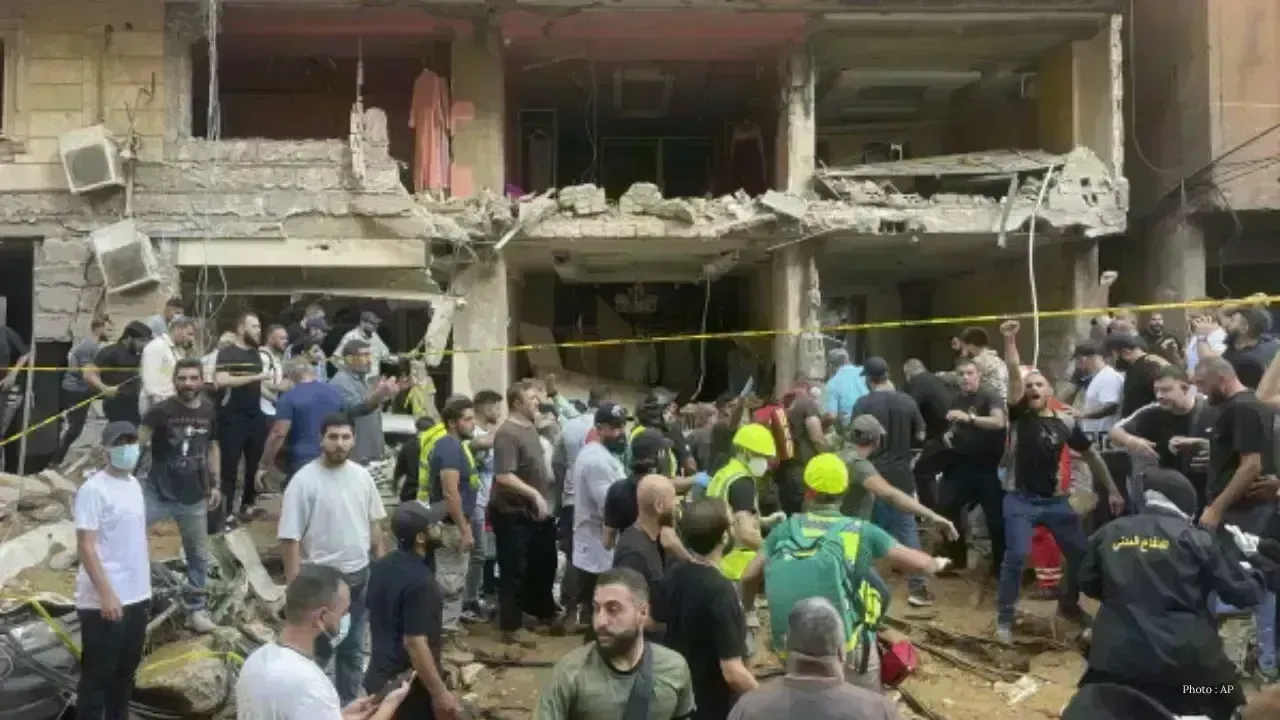
In a significant move, Israel and Lebanon have reinstated a delicate ceasefire, aiming to ease escalating tensions along their border and prevent further violence. This agreement follows weeks of heightened military exchanges and security incidents that posed threats to regional stability. Officials from both nations, supported by international mediators, express optimism that this renewed pact will foster calm and create opportunities for diplomatic dialogue.
The ceasefire targets hostility between Israeli forces and armed groups in southern Lebanon. While prior ceasefire installments have mitigated violence, sustaining long-term stability continues to be a challenge. Sporadic altercations, cross-border skirmishes, and military responses have consistently jeopardized peacekeeping efforts along the frontier.
Mediators involved in the negotiation praised the latest ceasefire, labeling it a vital step for preventing a wider conflict. Diplomatic representatives have appealed to all parties to uphold the terms of the ceasefire and act prudently to maintain composure. They also stressed the necessity of ongoing communication to address security issues and minimize misinterpretations.
For decades, the border territory between Israel and Lebanon has witnessed instability. Tensions are frequently linked to disputes among armed factions, territorial challenges, and broader regional conflicts. Although ceasefire initiatives have intermittently curbed violence, numerous fundamental political and security disputes remain unresolved.
Experts in security emphasize that adherence to the ceasefire requires restraint from all sides involved. Any singular incident or military clash could undermine the agreement, resulting in a resurgence of hostilities. Consequently, monitoring efforts are set to continue rigorously in the forthcoming weeks to assure compliance with the ceasefire terms.
The renewed ceasefire is especially critical for civilians residing near the border. Communities on both sides have endured uncertainty due to security alerts and potential escalations. Residents frequently adjust their daily routines in light of military unpredictability, prioritizing stability in their lives.
Humanitarian agencies have shown appreciation for the initiative to diminish violence. Aid organizations have consistently cautioned that escalated fighting could deteriorate conditions for affected populations and strain local resources. A sustained period of tranquility would enable humanitarian groups to offer assistance without interruption.
Regional authorities and international allies are monitoring the situation closely. Numerous countries have advocated for diplomatic resolutions, highlighting concerns that an escalation could have wider implications beyond the immediate region. Global leaders regard stability as a key priority in averting broader security threats.
Analysts suggest that the renewed agreement indicates a mutual interest in steering clear of a larger conflict. Despite the significant differences that persist between the parties, the commitment to extend the ceasefire demonstrates recognition of the risks tied to continued military aggression. However, experts caution that this arrangement remains precarious and will necessitate continuous diplomatic engagement to succeed.
Furthermore, the ceasefire illustrates the importance of international mediation in managing regional disputes. Diplomatic channels have facilitated communication during tensions and provided openings to tackle pressing security issues. Ongoing involvement from global partners may be essential in fostering future dialogues and ensuring stability.
While this development is promising, observers contend that achieving long-term peace will hinge on resolving deeper political and security complexities that contribute to recurring tensions. Absent broader advancements in these areas, ceasefire agreements could persist in facing obstacles and remain at risk of collapse.
For Canada and other nations observing developments in the Middle East, the renewed ceasefire marks a welcome initiative to diminish conflict and bolster regional stability. Governments worldwide continue to promote peaceful discourse and diplomatic approaches as the preferred route forward.
The upcoming weeks will prove vital in assessing whether the ceasefire can endure. If all parties adhere to the agreement, it may help to alleviate immediate security threats and pave the way for more diplomatic discussions. Although challenges persist, the reinstated ceasefire provides an opportunity to avert further violence and support a more stable circumstance along the Israel-Lebanon border.






Achieve Radiant Skin with This Simple Rice Flour Treatment
Transform your skincare routine! Discover how a rice flour mix can restore your skin's glow without

Meta Unveils Subscription Plans for Instagram, Facebook, and WhatsApp
Meta introduces new subscription plans for users of Instagram, Facebook, and WhatsApp, featuring enh

Suvarna Joy on Education Leadership, Resilience, and Building Purpose Through Adversity in the UAE
Suvarna Joy shares her journey of education leadership, motherhood, faith, and resilience within the

Anticipated Dates for UAE Eid Al Adha 2026 Unveiled by Astronomical Experts
Experts predict Eid Al Adha 2026 in the UAE to start on May 27, prompting early holiday planning amo

DAE Achieves Remarkable Growth in Q1 2026 With Record Revenue
Dubai Aerospace Enterprise announces impressive financial results for Q1 2026, reflecting a surge in

Price Increase for Sony PS5 in Southeast Asia Effective May 1
Sony announces a price increase for the PS5 across Southeast Asia starting May 1, 2026, impacting ga




