Post by : Saif Nasser
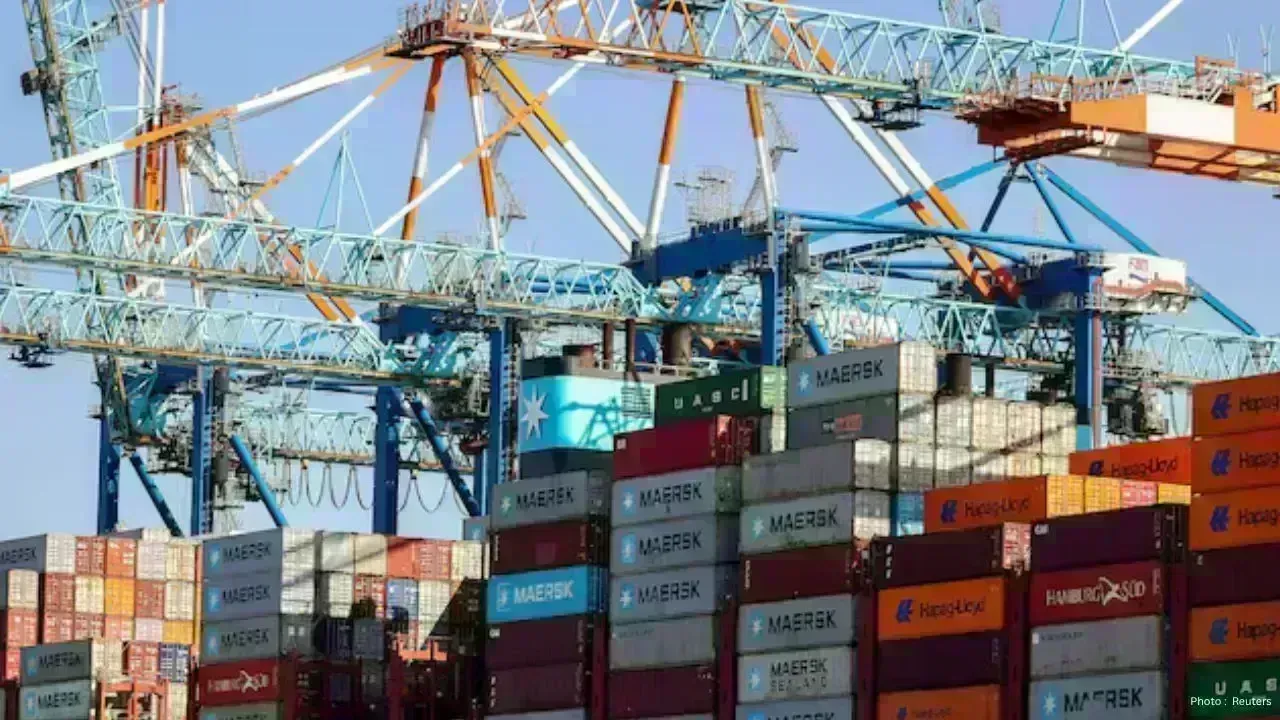
The ongoing Iran war is having a major impact on global shipping and trade. While the conflict has created serious disruptions in key sea routes, it has also led to higher profits for European logistics companies. This situation shows how global crises can affect industries in different ways at the same time.
As tensions rise in important regions, especially near major oil and trade routes, shipping companies are being forced to change their usual paths. Many ships are avoiding risky areas, which has led to longer travel routes. These longer journeys increase fuel use, time, and overall shipping costs. As a result, freight rates have gone up, helping logistics companies earn higher profits.
The disruption in shipping routes has also pushed many businesses to switch from sea transport to air cargo. Air freight is faster but much more expensive. With growing demand for quicker delivery, air cargo prices have increased as well. This shift is adding more pressure on global supply chains and increasing the cost of goods.
While logistics companies in Europe are benefiting from higher shipping rates, many other sectors are facing challenges. Businesses are dealing with delays, uncertain delivery schedules, and rising costs. These issues make it difficult for companies to plan ahead and manage their operations smoothly. In many cases, the increased costs are passed on to consumers, leading to higher prices in the market.
The Iran war has also affected global oil supply, which plays a key role in transportation costs. When oil prices rise, it increases the cost of shipping and production. This creates a chain reaction that impacts many industries and economies around the world.
Despite the current gains for logistics firms, experts warn that the situation may not remain positive in the long term. If the conflict continues, global trade could slow down. Lower demand for goods would eventually reduce the need for transport services, affecting logistics companies as well.
This situation highlights the importance of stable trade routes and peaceful international relations. The global economy depends on smooth and reliable movement of goods. Any disruption, especially in critical regions, can create wide-reaching effects.
The rise in European logistics profits reflects the growing demand and higher costs in the shipping industry during this crisis. At the same time, the ongoing disruption shows how fragile global trade systems can be in times of conflict. Stability in key regions will be important to restore balance and ensure steady economic growth.








Ultimate Guide to Snagging Cheap Flights in 2026
Unlock the secrets to booking affordable flights in 2026 with insightful tips and strategies tailore

The Impact of Consistent Small Investments on Wealth Building
Discover how investing small amounts regularly can positively transform your financial future over t

7.5 Magnitude Earthquake Strikes Japan, Tsunami Alerts Issued
Japan experiences a hefty 7.5 quake, prompting tsunami alerts and safety measures. Stay updated on a
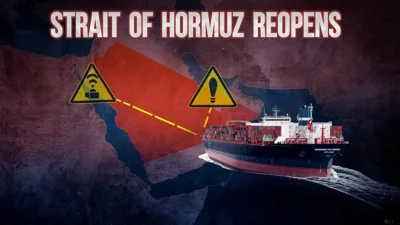
Reopening of the Strait of Hormuz: New Regulations to Impact Global Trade
Iran reopens the strategic Strait of Hormuz with new regulations affecting oil transport and global

Top 10 Must-See Attractions in NYC for First-Time Explorers
Discover essential experiences for first-time visitors to NYC, including attractions, culture, and i

Starbucks Engages Boyu Capital for Major Chinese Expansion
Starbucks teams up with Boyu Capital, selling a majority stake to boost growth and adapt to the Chin