Post by : Saif Nasser
Iran and the United States are struggling to move forward with peace talks, even after agreeing to a ceasefire earlier this month. Fresh tensions in the Strait of Hormuz and failed diplomatic efforts have raised doubts about whether the ceasefire can hold. The situation remains unstable, with both sides sending mixed signals about negotiation and conflict.
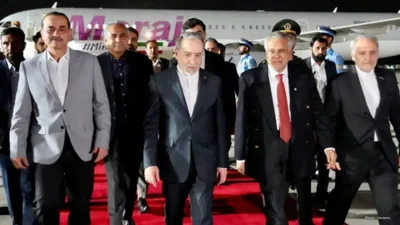
Recent efforts to restart dialogue in Pakistan did not succeed. Iran’s Foreign Minister Abbas Araqchi visited Islamabad to push for talks, but the United States chose not to send its officials. This decision followed signals from President Donald Trump, who appears to be waiting for stronger commitments from Iran before agreeing to any meeting. As a result, direct negotiations have once again been delayed.
Pakistan has been trying to act as a bridge between the two sides. Its leaders have passed messages and encouraged dialogue, hoping to reduce tensions. While indirect communication continues, the absence of face-to-face talks shows how difficult it is to rebuild trust between Iran and the United States.
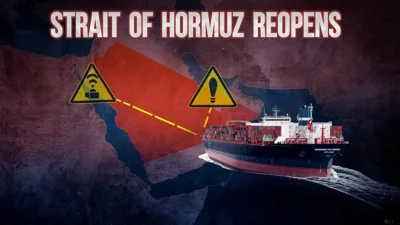
The Strait of Hormuz remains one of the biggest concerns in this conflict. This narrow waterway is crucial for global oil supply, and any disruption there quickly affects energy markets worldwide. Recent actions, including restrictions on shipping and increased military presence, have made the situation more serious. Many countries are closely watching developments, as any escalation could have global consequences.
Even though a ceasefire is officially in place, it has not fully calmed the situation. Both sides continue to take steps that raise tensions, including strong public statements and military positioning. This suggests that the ceasefire is fragile and could break down if talks do not resume soon.
The main issue remains the deep differences between the two countries. The United States is focused on stopping Iran from developing nuclear weapons, while Iran is demanding relief from economic sanctions and recognition of its rights. These opposing goals have blocked progress in past negotiations and continue to stand in the way of a new agreement.
Regional factors are also adding pressure. Ongoing tensions involving Israel and other Middle Eastern countries have made the situation more complex. The conflict is no longer limited to two nations, as its effects are being felt across the region and beyond.
The gap between words and actions is one of the biggest challenges right now. Leaders speak about peace, but decisions such as canceling meetings or setting strict conditions make progress difficult. This lack of trust continues to slow down any real movement toward a solution.
Looking ahead, the chances of a quick breakthrough remain low. Both sides are holding firm, and neither appears ready to make major compromises. However, continued efforts by mediators like Pakistan offer some hope that talks could restart in the future.
For now, the ceasefire stands on uncertain ground. Without meaningful dialogue and mutual trust, the risk of renewed conflict remains high. The world will be watching closely, as stability in this region is important not just for those directly involved, but for the global economy and peace as a whole.







Potential ‘Super El Niño’ in 2026: Understanding the Climate Risks
Could a Super El Niño emerge in 2026? Discover its implications and potential global climate impacts

Global Energy Crisis Intensifies: Markets React to Oil Supply Challenges
Markets are on edge as oil disruptions escalate, influencing prices and economic stability. Explore

Must-See Tourist Spots in London You Can't Overlook
Explore London's essential attractions, from royal landmarks to vibrant markets, ensuring an unforge

Ultimate Guide to Snagging Cheap Flights in 2026
Unlock the secrets to booking affordable flights in 2026 with insightful tips and strategies tailore

The Impact of Consistent Small Investments on Wealth Building
Discover how investing small amounts regularly can positively transform your financial future over t

7.5 Magnitude Earthquake Strikes Japan, Tsunami Alerts Issued
Japan experiences a hefty 7.5 quake, prompting tsunami alerts and safety measures. Stay updated on a