Post by : Saif Nasser
Germany’s plan to build its own military satellite system has started a strong debate across Europe. While the move is meant to improve national security, many leaders in the European Union are worried it could weaken cooperation between member countries.
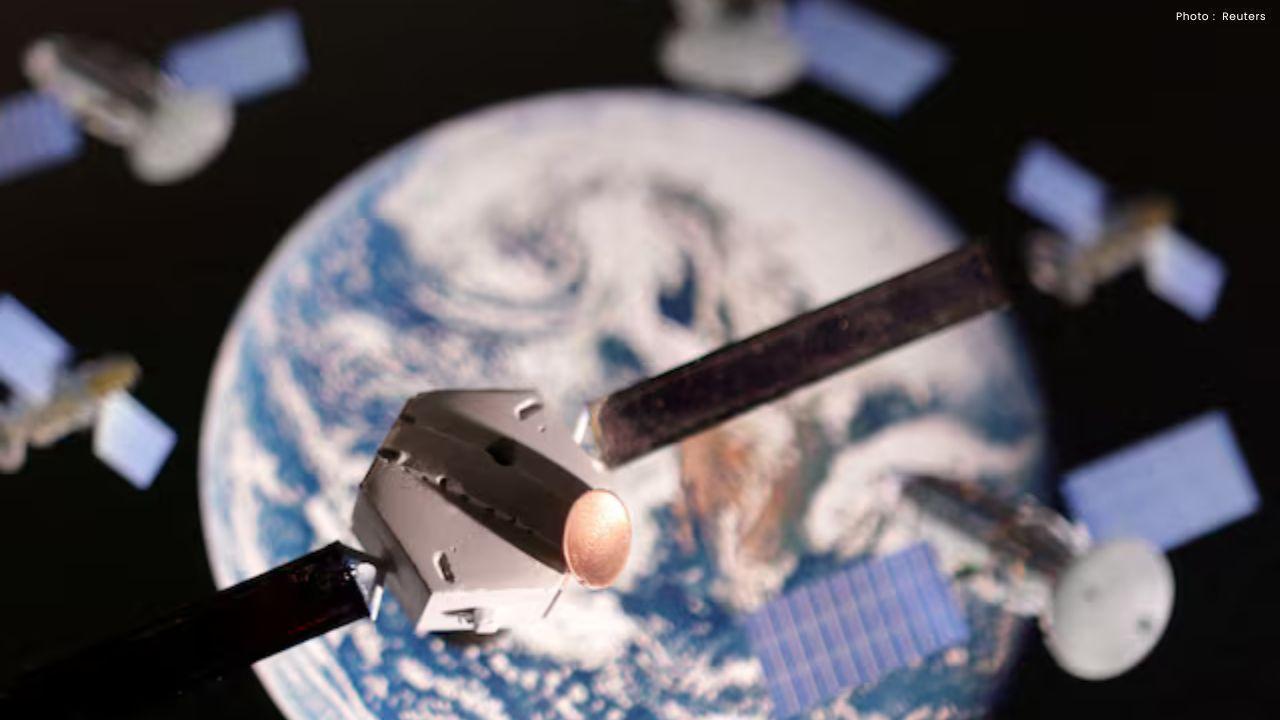
The German government is preparing a large investment, estimated at around €10 billion, to develop a new satellite network for military use. The system is expected to include about 100 satellites placed in low-Earth orbit. These satellites would mainly be used for secure communication and defense operations.
This plan stands apart from the European Union’s shared satellite project known as IRIS². The EU initiative aims to build a wider communication network with nearly 290 satellites by 2029. It is designed to serve both civilian and military purposes and strengthen cooperation among European nations.
The main concern raised by EU officials is that Germany’s independent plan could lead to duplication. Instead of working together on one strong system, countries might end up building separate networks that do similar jobs. This could waste resources and reduce overall efficiency.
Some European lawmakers have warned that such moves could create division within the EU. Marie-Agnes Strack-Zimmermann pointed out that Europe’s strength lies in unity, especially when it comes to defense. She stressed that shared systems are more effective than isolated national projects.
Experts also highlight technical challenges. If different countries build separate satellite systems, they may not work smoothly together. This could make communication harder during joint operations and reduce the overall effectiveness of European defense.
Germany, however, has defended its decision. Officials say that the new system is designed to meet specific military needs that may not be fully covered by the EU’s shared project. They argue that having a dedicated national network can provide better control, faster response, and higher security.
Supporters of the plan also say that having more than one system can be useful. In case one network fails or is attacked, another system can continue to operate. This kind of backup is often seen as important in modern defense planning.
The issue also reflects a bigger challenge within the European Union. Member countries often need to balance their own national interests with the goal of working together. While the EU promotes joint defense projects, some countries prefer to keep control over their own security systems.
There are also concerns about cost. Building satellite networks requires huge investment. Some experts fear that spending money on separate systems could put pressure on national budgets and reduce funds for other important areas.
At the same time, space technology is becoming more important in defense. Satellites are used for communication, navigation, surveillance, and intelligence. This makes them a key part of modern military strategy.
The EU has been trying to build stronger cooperation in defense to reduce dependence on outside powers and improve coordination among member states. Projects like IRIS² are a major part of this effort.
Germany’s move shows that achieving full unity in Europe’s defense strategy is not easy. Different countries have different priorities, and finding a balance between independence and cooperation remains a challenge.
As more countries consider their own satellite systems, the debate is likely to grow. The future of Europe’s defense may depend on how well these national and shared efforts can work together without creating division.








Mattel Revives Masters of the Universe Action Figures Ahead of Film Launch
Mattel is reintroducing Masters of the Universe figures in line with its upcoming film, tapping into

China Executes 11 Members of Criminal Clan Linked to Myanmar Scam
China has executed 11 criminals associated with the Ming family, known for major scams and human tra
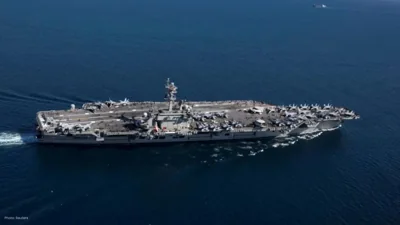
US Issues Alarm to Iran as Military Forces Deploy in Gulf Region
With a significant military presence in the Gulf, Trump urges Iran to negotiate a nuclear deal or fa

Copper Prices Reach Unprecedented Highs Amid Geopolitical Turmoil
Copper prices soar to all-time highs as geopolitical tensions and a weakening dollar boost investor

New Zealand Secures First Win Against India, Triumph by 50 Runs
New Zealand won the 4th T20I against India by 50 runs in Vizag. Despite Dube's impressive 65, India