Post by :
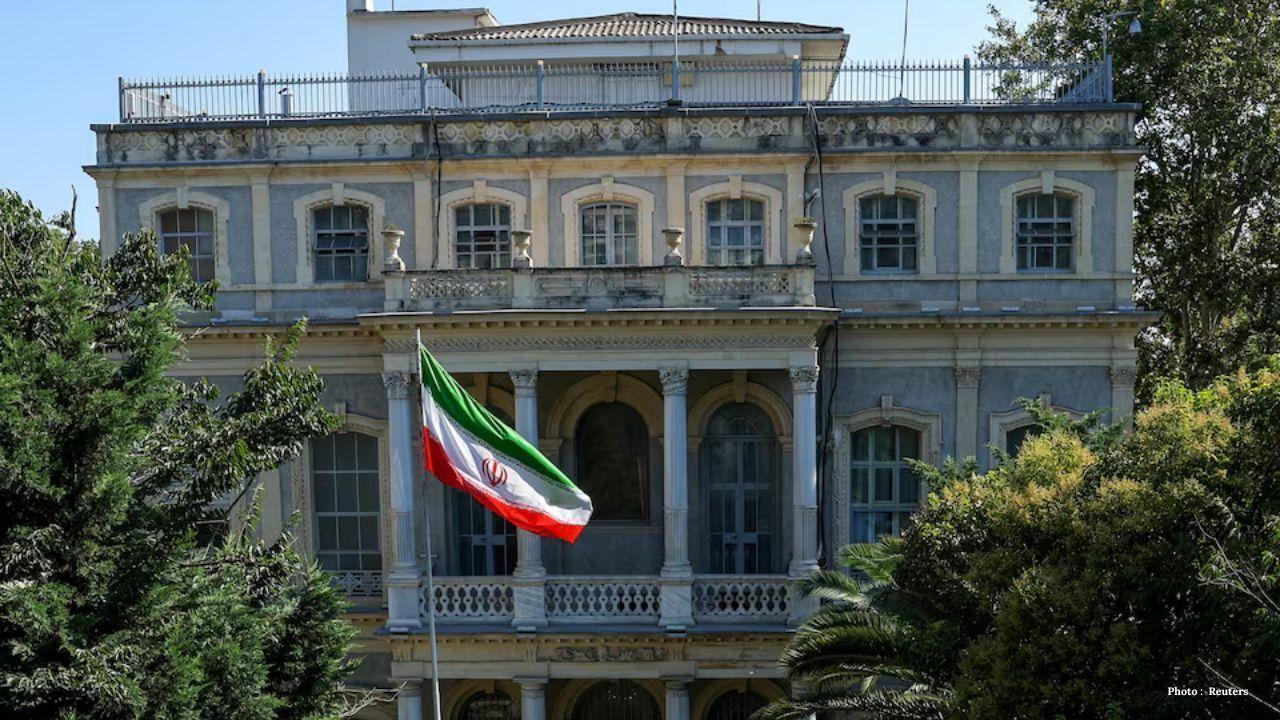
Iran has made it clear that it will not directly negotiate with the United States over its nuclear program. Supreme Leader Ayatollah Ali Khamenei said that talks with the US are “a sheer dead end,” making it clear that Tehran does not intend to yield to Washington’s demands. This statement comes while diplomats from around the world meet on the sidelines of the United Nations General Assembly to discuss Iran’s nuclear activities and possible sanctions.
The supreme leader’s remarks followed a meeting between Iran’s Foreign Minister, Abbas Araghchi, and diplomats from Germany, France, and the United Kingdom, known collectively as the E3. They also met with the European Union’s foreign policy chief to discuss sanctions that are expected to be reimposed on Iran in the coming days.
Resuming direct negotiations with the United States has become a major sticking point for these discussions. During his speech at the UN General Assembly, US President Donald Trump declared that Iran would “never possess a nuclear weapon” and called Tehran the “world’s number one sponsor of terror.” In response, Khamenei criticized the US approach, saying, “The US has announced the result of the talks in advance. The result is the closure of nuclear activities and enrichment. This is not a negotiation. It is a diktat, an imposition.”
This comes shortly after the UN Security Council voted against extending relief from sanctions on Iran. The European powers have accused Iran of violating its commitments under the 2015 nuclear deal, officially known as the Joint Comprehensive Plan of Action or JCPOA. One of the main issues is that Iran has built a uranium stockpile more than forty times the limit allowed under the deal. The JCPOA originally offered sanctions relief to Iran in exchange for limits on its nuclear program, but the United States unilaterally withdrew from the agreement in 2018 under President Trump’s “maximum pressure” policy, reimposing sanctions. The following US administration under President Joe Biden has largely continued these policies despite initially criticizing them.
European officials have suggested that they might delay the return of sanctions if Iran resumes direct negotiations with the United States, allows UN nuclear inspectors access to its nuclear sites, and accounts for more than 400 kilograms (880 pounds) of highly enriched uranium that the UN’s nuclear watchdog says it possesses. However, the recent meeting between Iran and the European representatives showed little progress. Reports from diplomats indicated that the discussions “didn’t go particularly well,” and the EU foreign policy chief emphasized that Europe needs to see tangible action from Iran to prevent sanctions. She said, “Diplomacy has a chance. The deadlines are running, and we need to see some real action on the Iranian side.”
Iran has repeatedly denied seeking nuclear weapons and insists that its nuclear program is intended solely for peaceful energy purposes. Khamenei’s statement reaffirmed this stance, emphasizing that while Iran does not want nuclear weapons, it will not bow to international pressure. Tensions in the region escalated in June when Israel launched a 12-day military campaign against Iran, targeting several nuclear facilities with support from US forces. This followed warnings from the UN nuclear watchdog that Iran was not fully complying with international safeguards.
Recently, the UN Security Council decided not to permanently lift economic sanctions on Iran, a move Tehran described as politically biased. Iran warned that the resumption of sanctions could undermine its cooperation with the International Atomic Energy Agency, the UN’s nuclear watchdog. Adding to the domestic pressure, hardline lawmakers in Iran have called for the country to begin building nuclear weapons, fearing that renewed sanctions might escalate tensions and possibly lead to war with Israel.
If no diplomatic agreement is reached this week, sanctions are set to automatically “snap back” on Saturday evening. These sanctions would freeze Iranian assets abroad, stop arms deals with Iran, and impose penalties on its ballistic missile program, among other restrictions. Despite these challenges, there is still some hope for diplomacy. The head of the International Atomic Energy Agency confirmed that a team of inspectors is on its way to Iran and could begin work if a deal is reached. He emphasized, “Everything is possible. Where there is a will, there is a way,” suggesting that diplomatic solutions remain achievable if Iran demonstrates cooperation.
The coming days are critical for Iran and the international community. The world is closely watching Tehran’s next steps, as the outcome could have far-reaching effects on regional stability, nuclear diplomacy, and the economic situation in Iran. How Iran responds could influence global security and shape the future of negotiations between Iran, the US, and European powers.





DAE Achieves Remarkable Growth in Q1 2026 With Record Revenue
Dubai Aerospace Enterprise announces impressive financial results for Q1 2026, reflecting a surge in

Price Increase for Sony PS5 in Southeast Asia Effective May 1
Sony announces a price increase for the PS5 across Southeast Asia starting May 1, 2026, impacting ga

Potential ‘Super El Niño’ in 2026: Understanding the Climate Risks
Could a Super El Niño emerge in 2026? Discover its implications and potential global climate impacts

Global Energy Crisis Intensifies: Markets React to Oil Supply Challenges
Markets are on edge as oil disruptions escalate, influencing prices and economic stability. Explore

Must-See Tourist Spots in London You Can't Overlook
Explore London's essential attractions, from royal landmarks to vibrant markets, ensuring an unforge

Ultimate Guide to Snagging Cheap Flights in 2026
Unlock the secrets to booking affordable flights in 2026 with insightful tips and strategies tailore




