Post by : Saif Nasser
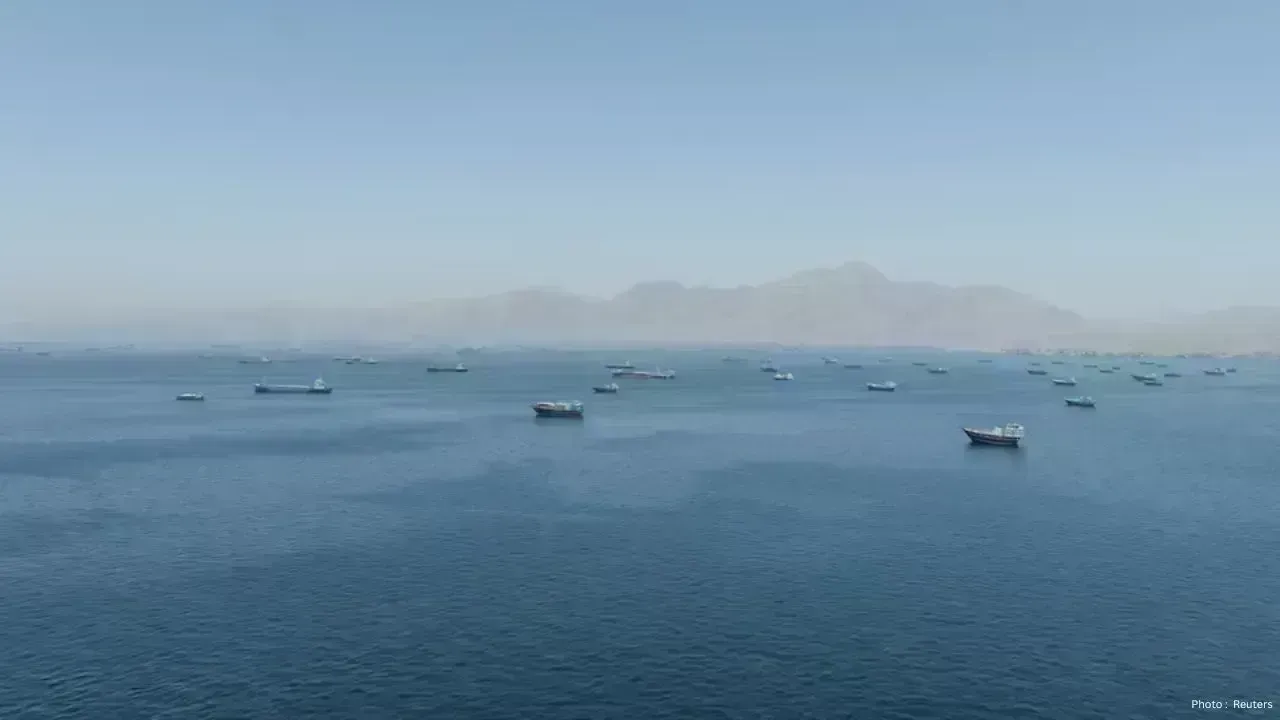
Iran has indicated that the Strait of Hormuz could reopen within 30 days if a future agreement with the United States helps bring an end to ongoing regional fighting. The statement has drawn global attention because the waterway is one of the world’s most important oil shipping routes and plays a major role in international energy markets.
The remarks came during a period of rising diplomatic discussion surrounding tensions in the Middle East. According to reports, Iranian officials suggested that stability in the region and progress in negotiations could lead to safer maritime movement through the strategic passage.
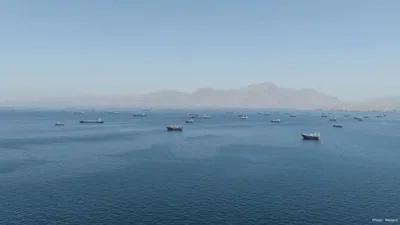
The Strait of Hormuz is a narrow but extremely important water route located between Iran and Oman. A large share of the world’s oil and gas shipments passes through this area every day. Any disruption in the waterway immediately affects global oil prices, shipping activity, and international trade.
Because of its importance, the region has remained highly sensitive during periods of political or military tension. Over the years, concerns about security in the strait have repeatedly caused uncertainty in energy markets and raised fears about supply disruptions.
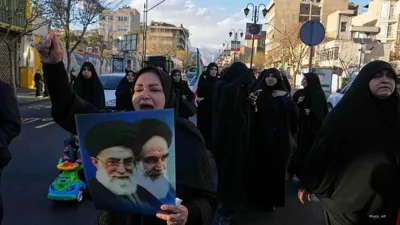
The latest comments from Iran come at a time when the Middle East continues to face conflict, diplomatic pressure, and growing international concern over regional stability. Fighting in several parts of the region has increased fears that tensions could spread further and impact global economic activity.
Energy-importing countries are watching developments closely because even small disruptions in oil transport can lead to higher fuel prices worldwide. Nations that depend heavily on imported crude oil often face inflation pressure when energy costs rise sharply.
For countries like India, China, Japan, and several European nations, stable shipping through the Strait of Hormuz remains extremely important. Millions of barrels of crude oil move through the route daily, supporting industries, transportation systems, electricity production, and economic activity across multiple continents.
Iran’s statement is also being viewed as part of a broader diplomatic message directed toward the United States and other international powers. Discussions connected to sanctions, regional security, and military tensions have remained active for years, with both sides attempting to protect their political and strategic interests.
The possibility of reopening or stabilizing shipping routes could influence oil prices in global markets. Investors and energy traders often react quickly to political developments involving the Middle East because the region remains central to worldwide energy supplies.
At the same time, analysts believe the situation remains highly complex. Political agreements in the region usually involve multiple governments, security concerns, and long-standing disputes that cannot be resolved easily or quickly.
The current regional environment includes several sensitive issues, including military tensions, armed conflicts, economic sanctions, and diplomatic negotiations involving major global powers. Because of these overlapping challenges, any progress toward stability is likely to require long and careful negotiations.
The statement regarding the Strait of Hormuz has therefore been interpreted by many observers as both an economic and political signal. Safe shipping routes could help reduce pressure on global energy markets, while successful diplomatic talks could lower regional tensions.
Shipping companies and international markets continue to monitor developments carefully. Uncertainty in the Gulf region often affects insurance costs, cargo movement, fuel pricing, and investor confidence across global trade networks.
At the same time, governments around the world remain focused on preventing any major disruption in maritime security. Several countries have maintained naval presence and monitoring operations in nearby waters because of the strategic importance of the route.
The latest development also highlights how closely politics and economics are connected in the Middle East. Decisions linked to diplomacy, security, and military activity can quickly influence international trade and daily fuel costs across many countries.
For ordinary people, changes in oil prices often affect transportation expenses, electricity bills, food prices, and household budgets. This is one reason why developments surrounding the Strait of Hormuz receive strong international attention even outside the Middle East.
Although there is still uncertainty surrounding future negotiations, the statement from Iran has created cautious discussion about whether diplomacy could help reduce tensions in one of the world’s most sensitive regions.
The coming weeks may now become important for both regional politics and global energy markets as governments continue to watch for signs of possible dialogue, security arrangements, and efforts aimed at reducing conflict across the Middle East.





Anticipated Dates for UAE Eid Al Adha 2026 Unveiled by Astronomical Experts
Experts predict Eid Al Adha 2026 in the UAE to start on May 27, prompting early holiday planning amo

DAE Achieves Remarkable Growth in Q1 2026 With Record Revenue
Dubai Aerospace Enterprise announces impressive financial results for Q1 2026, reflecting a surge in

Price Increase for Sony PS5 in Southeast Asia Effective May 1
Sony announces a price increase for the PS5 across Southeast Asia starting May 1, 2026, impacting ga

Potential ‘Super El Niño’ in 2026: Understanding the Climate Risks
Could a Super El Niño emerge in 2026? Discover its implications and potential global climate impacts

Global Energy Crisis Intensifies: Markets React to Oil Supply Challenges
Markets are on edge as oil disruptions escalate, influencing prices and economic stability. Explore

Must-See Tourist Spots in London You Can't Overlook
Explore London's essential attractions, from royal landmarks to vibrant markets, ensuring an unforge




