Post by : Saif Nasser
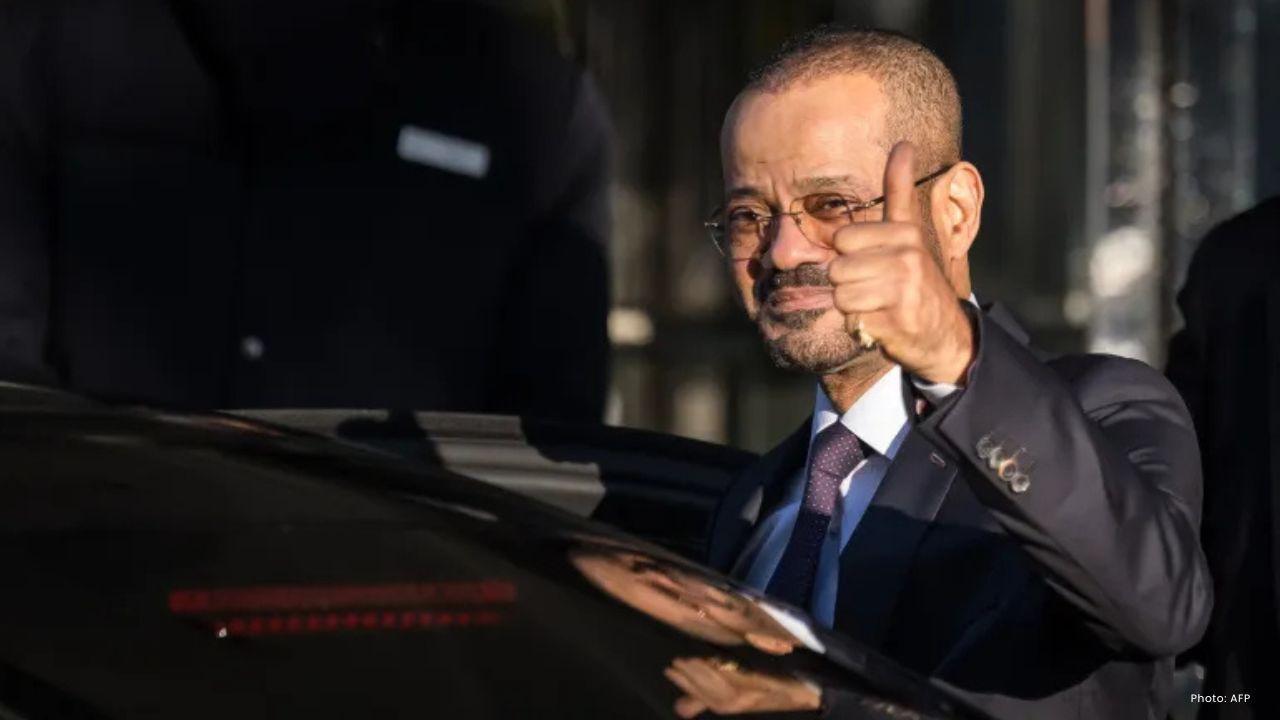
Fresh diplomatic talks have brought a hopeful sign in the long-running dispute over Iran’s nuclear program. According to Oman’s foreign minister, Iran has agreed not to keep a stockpile of enriched nuclear material. This step could open the door to a wider agreement and reduce tensions in the Middle East.
The talks have been taking place with Oman acting as a mediator between Iran and the United States. Oman has often played a quiet but important role in regional diplomacy. Its leaders have helped both sides communicate during times of high tension.
At the center of the discussion is enriched uranium. This material can be used for peaceful purposes, such as generating electricity or producing medical supplies. However, if enriched to high levels, it can also be used to build nuclear weapons. Because of this, the size of Iran’s stockpile has been a major concern for many countries.
Under the new understanding, Iran would not keep a large supply of enriched uranium. Instead, the material would either be reduced, converted into forms that cannot easily be used for weapons, or closely monitored. This move would lower fears that Iran could quickly develop a nuclear weapon.
Oman’s foreign minister described this development as a major step forward. He suggested that peace may be “within reach” if both sides continue to show flexibility. This statement has given hope to many observers who have watched negotiations struggle in the past.
The issue of Iran’s nuclear program has caused tension for many years. In 2015, Iran reached a deal with world powers that limited its nuclear activities in exchange for relief from economic sanctions. That agreement later fell apart, and since then, Iran has increased some of its nuclear work. As a result, sanctions remained in place, and trust between the sides weakened.
Now, both Iran and the United States appear to be searching for a new agreement. If successful, such a deal could ease economic pressure on Iran and reduce the risk of military conflict in the region. It could also help improve relations between Iran and other countries.
Still, many details remain unclear. Any final agreement would likely require strict inspections by international nuclear watchdogs. These inspections are meant to make sure that all sides follow the rules. Trust will be a key factor in whether a new deal can succeed.
Some experts remain cautious. They point out that past agreements have faced challenges. Political changes, disagreements over sanctions, and regional conflicts have all affected negotiations. However, they also say that diplomacy remains the best path forward.
For ordinary people in the region, a peaceful agreement would bring relief. Years of tension have affected trade, security, and daily life. A stable and lasting deal could help reduce uncertainty and open the door to better cooperation.
While talks are still ongoing, Iran’s reported decision not to stockpile enriched uranium is seen as a positive sign. It shows that dialogue is possible, even after years of distrust. Whether this step leads to a full peace agreement will depend on continued effort from all sides.




Top 10 Must-See Attractions in NYC for First-Time Explorers
Discover essential experiences for first-time visitors to NYC, including attractions, culture, and i

Starbucks Engages Boyu Capital for Major Chinese Expansion
Starbucks teams up with Boyu Capital, selling a majority stake to boost growth and adapt to the Chin

Three Individuals Charged in Massive Meth Trafficking Case in Malaysia
In Malaysia, a married couple and another suspect are charged with trafficking 510kg of meth, facing
Singapore Police Revisit Geylang Murder Scene with Suspect
In Geylang, police return a murder suspect to the scene of a crime involving the fatal stabbing of a

Mattel Revives Masters of the Universe Action Figures Ahead of Film Launch
Mattel is reintroducing Masters of the Universe figures in line with its upcoming film, tapping into