Post by : Shakul
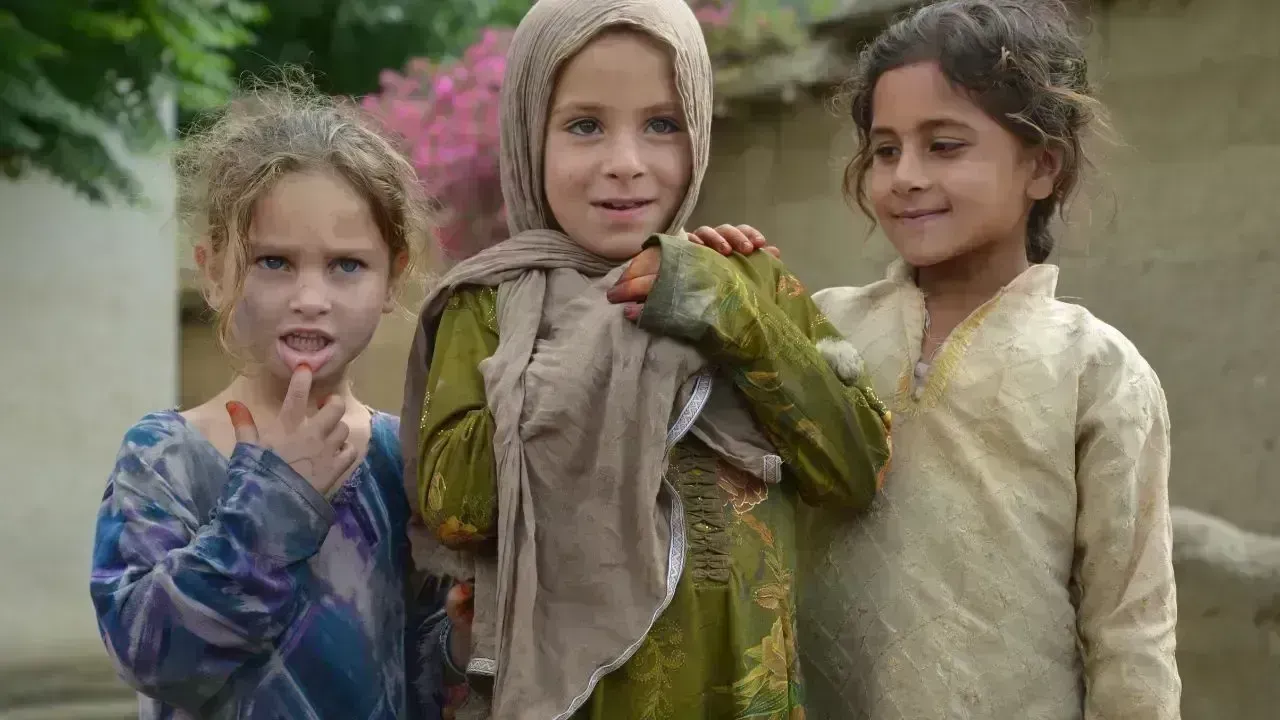
The escalating violence along the Afghanistan-Pakistan border has significantly impacted the education sector, leaving countless children without school access. In regions such as Barikot village in Kunar province, classrooms have been reduced to rubble, forcing families to abandon their homes and turning previously vibrant learning environments into desolate landscapes.
The United Nations Office for the Coordination of Humanitarian Affairs estimates that approximately 12,000 students are now affected by the conflict, desperately needing safe spaces to resume their education. Several schools have been damaged or closed for security reasons, causing children to lose vital months of learning.
Once home to a thriving primary and secondary education system, Barikot is now eerily quiet following severe shelling. Local inhabitants report that critical structures, including educational institutions and healthcare facilities, have suffered extensive damage during the hostilities. This destruction has led to broken classrooms, strewn books, and an eerily silent playground.
The humanitarian landscape has deteriorated markedly, with over 94,000 individuals displaced from their homes due to the unrest. Many have sought refuge in temporary camps near the Kunar River, living in makeshift shelters with negligible access to clean water, sanitation, and healthcare—making everyday survival a daunting task.
Children bear the brunt of this crisis, as many are now excluded from educational opportunities. Nearby schools struggling with overcrowding are unable to accommodate the influx of displaced pupils, while others find themselves completely cut off from any educational services. Parents and educators are deeply concerned about the long-term consequences this will have on the youth.
Local authorities are trying to tackle the burgeoning crisis by relocating affected families to better-organized camps and considering interim educational solutions. Nevertheless, ongoing instability and insufficient resources are obstacles to these efforts, leaving thousands of children in a state of distress.
Civilian life has been severely strained, with numerous reports of casualties and extensive destruction reported across border territories. Diplomatic actions, reportedly aided by China, have eased hostilities but the overall situation remains tense, and reconstruction efforts are yet to commence in many devastated areas.
This ongoing crisis underscores the catastrophic effects of armed conflict on education and the urgent necessity for global support to restore educational opportunities for children affected by war and to rebuild critical infrastructure.







Achieve Radiant Skin with This Simple Rice Flour Treatment
Transform your skincare routine! Discover how a rice flour mix can restore your skin's glow without

Meta Unveils Subscription Plans for Instagram, Facebook, and WhatsApp
Meta introduces new subscription plans for users of Instagram, Facebook, and WhatsApp, featuring enh

Suvarna Joy on Education Leadership, Resilience, and Building Purpose Through Adversity in the UAE
Suvarna Joy shares her journey of education leadership, motherhood, faith, and resilience within the

Anticipated Dates for UAE Eid Al Adha 2026 Unveiled by Astronomical Experts
Experts predict Eid Al Adha 2026 in the UAE to start on May 27, prompting early holiday planning amo

DAE Achieves Remarkable Growth in Q1 2026 With Record Revenue
Dubai Aerospace Enterprise announces impressive financial results for Q1 2026, reflecting a surge in

Price Increase for Sony PS5 in Southeast Asia Effective May 1
Sony announces a price increase for the PS5 across Southeast Asia starting May 1, 2026, impacting ga




