Post by : Mina Rahman
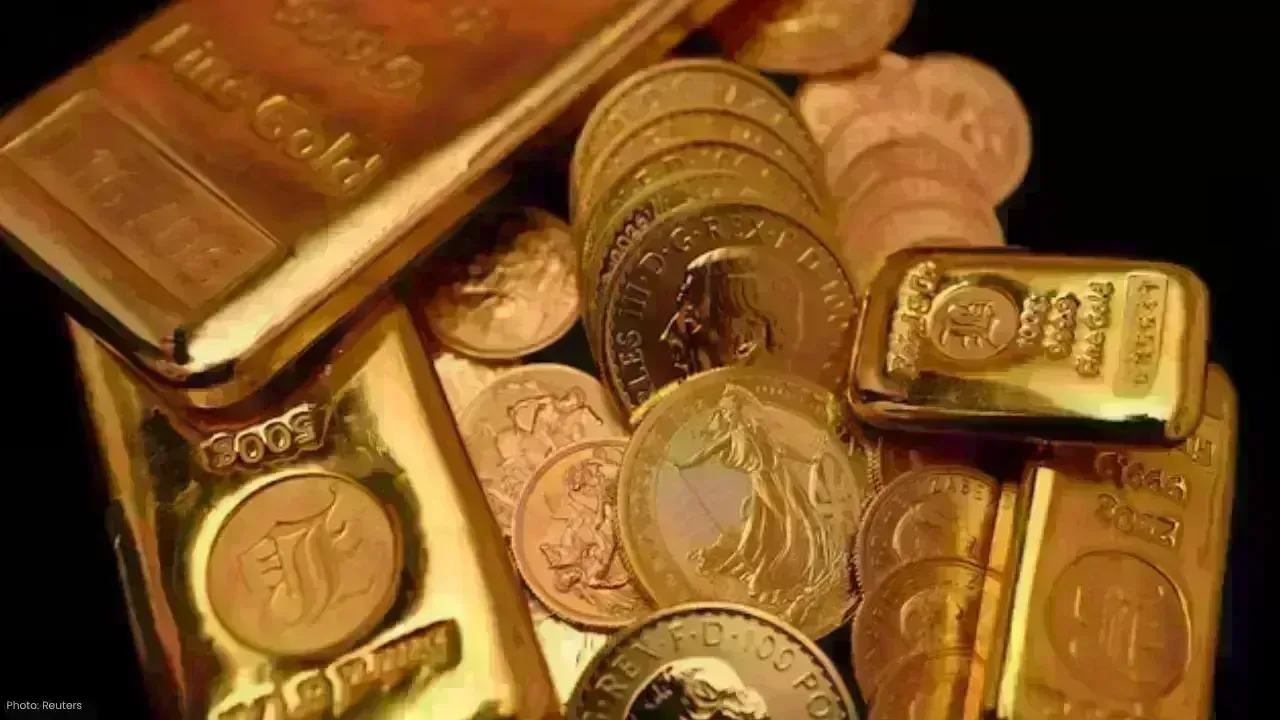
On Thursday, gold prices experienced a decline as market participants braced for imminent futures selling associated with an upcoming reshuffle of commodity indices. The overall market mood shifted to a defensive stance, prompting traders to modify their portfolios in anticipation of potential adjustments by significant funds that track premier commodity benchmarks. Such a reshuffling often brings about short-term volatility, of which gold is a prime example.
The downward pressure on gold was exacerbated by the appreciation of the U.S. dollar, which rose against a selection of major currencies. Given that gold is denominated in dollars, a stronger greenback tends to make the precious metal pricier for international buyers, consequently dampening demand from critical markets around the globe. The fluctuations in currency values were instrumental to Thursday's price drop, further compounding the declines spurred by expectations of futures-related selling.
In the spot market, gold prices fell by 0.6 percent, reaching $4,428.06 per ounce by 1115 GMT, while U.S. gold futures for February delivery also declined by 0.6 percent, trading at $4,436.30 per ounce. This simultaneous decrease in both spot and futures prices signaled a pervasive selling pressure throughout the market.
Analysts noted that the downturn was primarily a technical matter rather than indicative of weakening long-term fundamentals. Commodity index adjustments typically initiate temporary sell-offs as investment funds rebalance their positions, particularly in highly liquid commodities like gold. Traders often act preemptively to avert sharp fluctuations, which contributes to short-term pullbacks.
Even with the day's losses, gold continues to be regarded as a reliable safe-haven asset amid prevailing global economic uncertainties, geopolitical tensions, and changing interest rate expectations. In the near term, however, gold prices are expected to be particularly sensitive to fluctuations in the U.S. dollar, bond yields, and futures market developments.
Investors are keenly awaiting forthcoming economic indicators as well as statements from central banks, particularly the U.S. Federal Reserve, which could provide insights regarding interest rate direction. Elevated interest rates usually diminish the attractiveness of non-yielding assets like gold, whereas prospects of looser monetary policy can offer support.
For the time being, analysts project that gold will fluctuate within a volatile range as the market adjusts to the repercussions of the commodity index reshuffle and ongoing currency variations. Although the long-term outlook for gold remains optimistic, short-term price movements are likely to stay pressured until the selling of futures stabilizes and currency trends show more consistency.









Reopening of the Strait of Hormuz: New Regulations to Impact Global Trade
Iran reopens the strategic Strait of Hormuz with new regulations affecting oil transport and global

Top 10 Must-See Attractions in NYC for First-Time Explorers
Discover essential experiences for first-time visitors to NYC, including attractions, culture, and i

Starbucks Engages Boyu Capital for Major Chinese Expansion
Starbucks teams up with Boyu Capital, selling a majority stake to boost growth and adapt to the Chin

Three Individuals Charged in Massive Meth Trafficking Case in Malaysia
In Malaysia, a married couple and another suspect are charged with trafficking 510kg of meth, facing

Singapore Police Revisit Geylang Murder Scene with Suspect
In Geylang, police return a murder suspect to the scene of a crime involving the fatal stabbing of a