Post by : Sami Jeet
Travel in 2026 focuses on more than just where you go—it's about when you go. As airfares, accommodation, and daily expenses rise, savvy travelers are turning to off-season travel as a prime strategy to cut costs. But is this the most effective way to travel in 2026, or are there drawbacks to consider? This comprehensive guide will explain how off-season travel can be beneficial, where savings are maximized, potential trade-offs, and how to plan effectively to ensure you gain value—not disappointment.
Off-season travel means visiting destinations during periods when tourist numbers are low. This typically aligns with:
Extreme weather (hot, cold, or wet)
Academic terms for schools and universities
Months following major holidays
Limited local events or festivals
For instance, Europe during late winter, Southeast Asia in monsoon season, or coastal locations immediately after summer vacations.
In 2026, travel trends are heavily influenced by budget consciousness, the flexibility of remote work, and the desire to escape crowds.
During peak seasons, flights, lodgings, and dining often incur higher prices due to demand.
With the rise of remote and hybrid models, travelers can explore outside the traditional busy periods.
There's a growing preference for serene, genuine experiences instead of overcrowded attractions.
Off-season travel caters to this new travel ethos perfectly.
The primary benefit of off-season travel lies in substantial savings across various categories.
Airfares during off-peak times can be 30–60% lower compared to peak season rates, as airlines drop prices to fill vacancies, especially for international flights.
Hotel prices can drop by 40–70%, including upscale properties that may be out of reach during peak periods.
Local operators may lower pricing or include benefits like free meals, extended tours, or special private experiences.
Many destinations see quicker visa processing and fewer delays during off-peak times.
In summary, off-season travel could reduce overall trip costs by 25–50%, depending on specific locations and planning.
The financial savings are just one aspect of the off-season appeal.
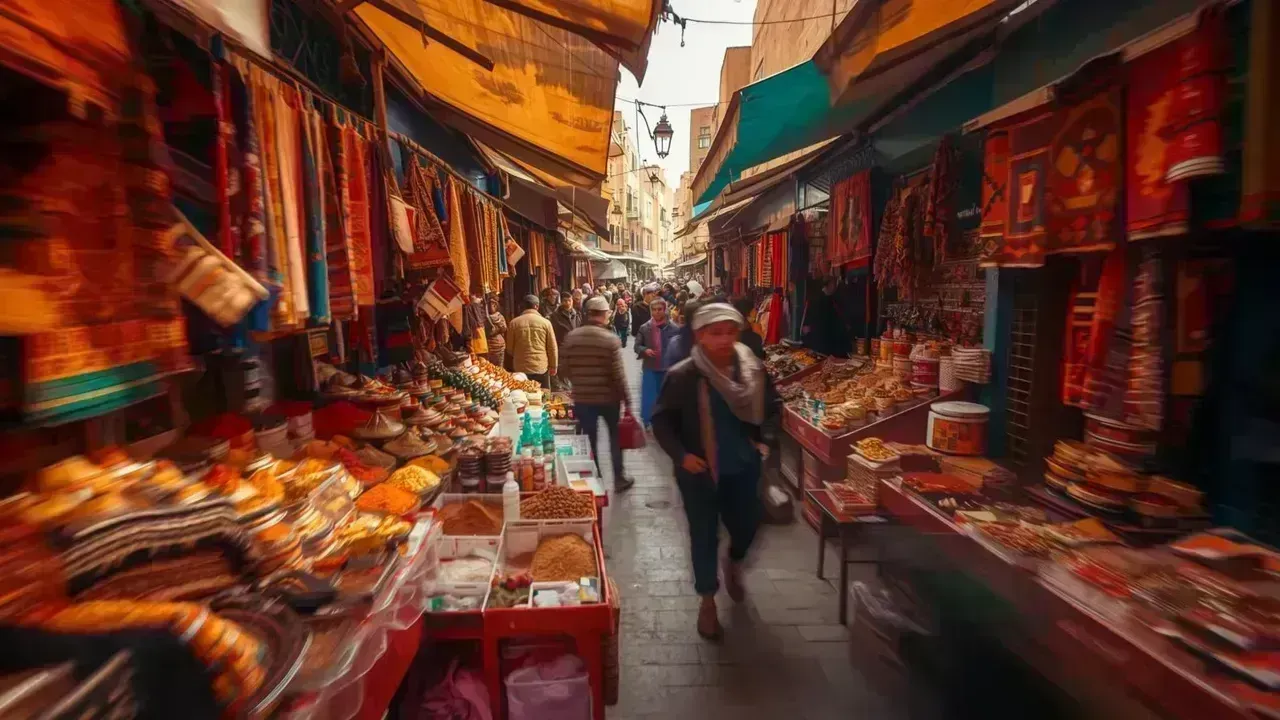
Less crowded attractions like museums, historical sites, beaches, and town centers allow for thorough exploration and beautiful photographs.
With fewer guests, hotel staff, tour guides, and restaurant employees can offer greater attention and service.
Public transport, vehicle rentals, and domestic flights are more readily available and comfortable.
For many travelers, these enhancements outweigh the allure of luxury upgrades.
Many assume that off-season means poor weather and closed attractions, which is often a misconception.
Numerous locations have shoulder seasons that don't involve extreme off-peak conditions.
Rainy days often come with short bursts rather than all-day downpours.
Cultural sites and cities typically remain active.
Landscapes can appear more vibrant during low seasons
The key is to select destinations where the off-season still presents a favorable balance.
Not all destinations offer the same advantages during off-season periods.
Late autumn and early spring feature:
Reduced hotel rates
Less tourist influx
Milder climates in Southern Europe
Places like Lisbon, Budapest, and Athens make for excellent off-season choices.
The monsoon season deters many, but it brings:
Significant hotel markdowns
Limited crowds
Lush, verdant scenery
Rain often occurs in predictable, brief showers.
Although summers can be scorching, you can find:
Luxury lodging offers dramatic discounts
Shopping festivals with great deals
Indoor attractions that remain accessible
Perfect for budget-conscious luxury travelers who plan wisely.
Late winter (excluding festival periods) can provide:
Budget-friendly accommodations
Clear access to attractions
Unique seasonal offerings
An excellent choice for cultural enthusiasts.
While off-season travel has its perks, it's important to be prepared for potential downsides.
Adverse weather, like rain or extreme temperatures, may greet you.
Some popular tourist events may not take place during the off-season.
Flights, ferries, or tours may run less frequently.
If mingling with other travelers is important to you, the off-season might feel quieter.
Ultimately, it’s about determining if these trade-offs matter to you.
Off-season isn't for everyone.
Consider avoiding it if you are:
A family dependent on school vacations
A beach lover seeking perfect weather
A festival aficionado
A first-time traveler who needs full tourist amenities
Knowing your travel preferences is key.
Travel during times just before or after peak seasons instead of deep off-seasons.
Know the typical rainfall amounts, temperature fluctuations, and daylight hours.
Flexibility protects against changes in weather or scheduling.
Mix visits to museums, cafes, wellness activities, and urban exploration.
Having coverage simplifies dealing with weather-related disruptions.
The peak season offers predictability but comes with:
Heightened costs
Crowded conditions
Limited choices
While the off-season provides:
Lower prices
Enhanced service
Special, unique experiences
The best choice depends on your perception of value, not just tradition.
Due to inflation, climate fluctuations, and evolving work arrangements, off-season travel matches today's travel needs perfectly.
Airlines are adjusting their pricing strategies
Hotels are competing heavily for patronage
Locations are encouraging tourism year-round
Adaptable travelers gain the most advantages.
For those who prioritize experiences, savings, and flexibility, off-season travel emerges as a leading strategy for 2026. It requires thorough planning, research, and an open mind.
While it’s not a fit for everyone, for many, it can make travel a sustainable lifestyle choice.
Off-season travel is not about compromising. It's about spending less for more meaningful experiences—like authenticity, time, and peace of mind.
With the right planning, off-season travel in 2026 proves to be not just a smart decision, but also a strategic one.
This article serves as a general guide for travel planning. Costs, weather, visa regulations, and availability can vary widely based on the destination and season. Readers should verify current travel advisories, entry requirements, and insurance coverage prior to planning any off-season travel.










Anticipated Dates for UAE Eid Al Adha 2026 Unveiled by Astronomical Experts
Experts predict Eid Al Adha 2026 in the UAE to start on May 27, prompting early holiday planning amo

DAE Achieves Remarkable Growth in Q1 2026 With Record Revenue
Dubai Aerospace Enterprise announces impressive financial results for Q1 2026, reflecting a surge in

Price Increase for Sony PS5 in Southeast Asia Effective May 1
Sony announces a price increase for the PS5 across Southeast Asia starting May 1, 2026, impacting ga

Potential ‘Super El Niño’ in 2026: Understanding the Climate Risks
Could a Super El Niño emerge in 2026? Discover its implications and potential global climate impacts

Global Energy Crisis Intensifies: Markets React to Oil Supply Challenges
Markets are on edge as oil disruptions escalate, influencing prices and economic stability. Explore

Must-See Tourist Spots in London You Can't Overlook
Explore London's essential attractions, from royal landmarks to vibrant markets, ensuring an unforge




