Post by : Saif Nasser
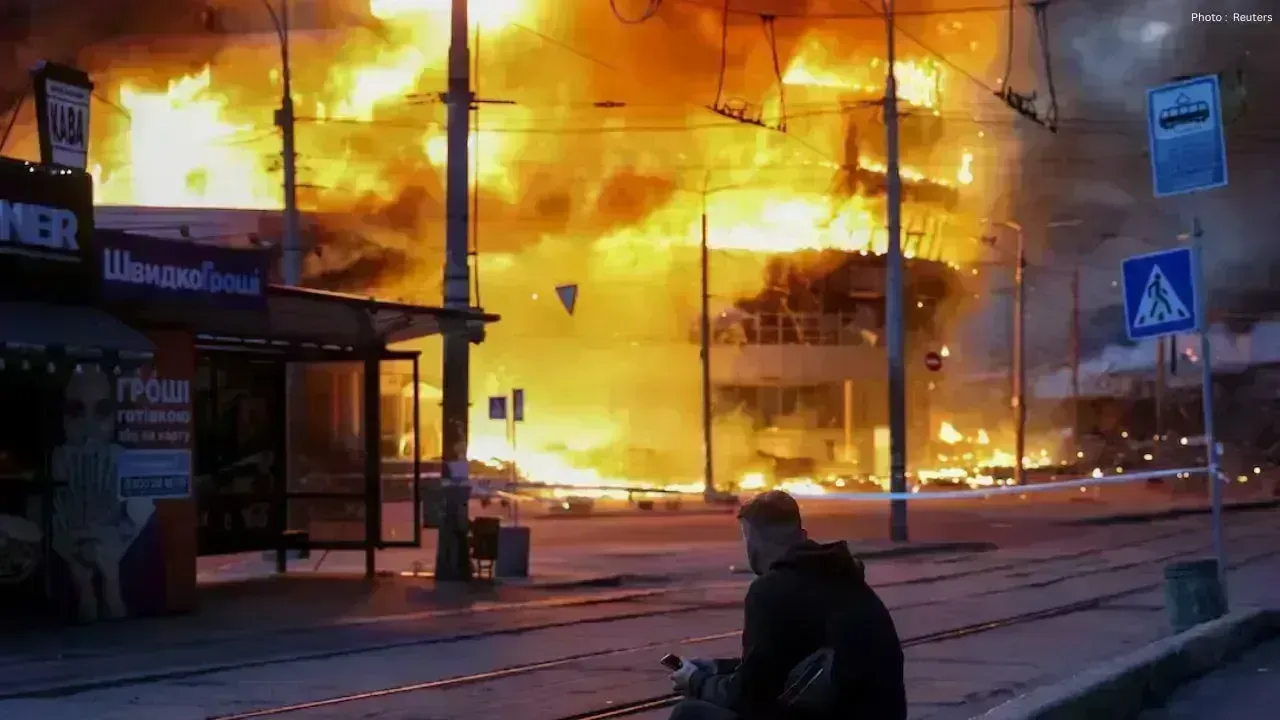
A missile attack damaged energy infrastructure in Russia’s Belgorod region near the border with Ukraine, raising fresh concerns about security risks and the growing impact of the conflict on critical facilities.
Regional officials confirmed that the strike caused damage to an energy-related site, leading emergency teams and technical workers to begin repair operations soon after the incident. Authorities also increased monitoring in nearby areas to prevent further disruption.
Belgorod has remained one of Russia’s most sensitive border regions since the conflict with Ukraine intensified. Areas close to the border have repeatedly witnessed drone attacks, shelling incidents, and missile-related activity over the past several months.
The latest strike once again highlights how energy infrastructure has become increasingly vulnerable during modern warfare. Facilities linked to electricity, fuel supply, and industrial operations are often viewed as strategic targets because they play a major role in supporting both civilian life and economic activity.
Local authorities stated that emergency services responded quickly after the attack. Repair crews were sent to assess the damage and restore affected systems as soon as possible. Officials did not immediately provide complete details regarding the scale of destruction or possible operational losses.
At the same time, the incident has added to wider concerns surrounding regional stability and infrastructure protection inside border territories.
Energy facilities remain highly important because they support transportation systems, industries, communication networks, and daily public services. Damage to such sites can create broader economic and social difficulties, especially during periods of military tension.
The Belgorod region has frequently appeared in headlines due to its location near the conflict zone. Residents in several districts have faced repeated security alerts, temporary evacuations, and concerns related to cross-border attacks.
Russian authorities have continued strengthening defense measures in border regions as military tensions remain high. Air defense systems, surveillance operations, and emergency response units have been expanded in areas considered vulnerable to attacks.
The conflict between Russia and Ukraine has increasingly affected infrastructure on both sides over the last two years. Power stations, fuel depots, transportation networks, and industrial facilities have all experienced damage during various stages of the war.
Analysts believe attacks targeting infrastructure are often aimed at weakening operational capabilities while also creating economic pressure and public uncertainty.
The latest incident may also increase concerns in energy markets because infrastructure damage linked to geopolitical tensions can influence investor confidence and regional economic activity.
Although the damaged facility is located within Russia, the broader impact of such attacks often reaches international markets. Energy-related disruptions can affect supply chains, fuel prices, industrial production, and transportation costs across multiple countries.
The situation also reflects how modern conflicts now extend beyond traditional battlefield operations. Cybersecurity threats, drone attacks, missile strikes, and infrastructure targeting have become central parts of contemporary warfare strategies.
For civilians living near border areas, repeated incidents create long-term stress and uncertainty. Frequent alerts, explosions, and security restrictions have affected daily routines for many families living close to conflict zones.
International observers continue monitoring developments carefully as both sides remain engaged in military operations with no immediate signs of a permanent settlement.
The ongoing war has already caused major humanitarian, economic, and political consequences across Europe and beyond. Attacks involving strategic infrastructure further increase concerns about escalation and regional instability.
Experts believe protecting energy systems will remain a major priority for governments involved in or affected by the conflict. Reliable electricity and fuel networks are considered essential for maintaining economic activity, communication, healthcare services, and public safety during periods of crisis.
The strike in Belgorod once again demonstrates how closely security and infrastructure protection are now connected in modern geopolitical conflicts.
As repair work continues and authorities investigate the full impact of the attack, attention is likely to remain focused on border security, regional defense measures, and the continuing risks facing critical infrastructure linked to the Russia-Ukraine conflict.









Anticipated Dates for UAE Eid Al Adha 2026 Unveiled by Astronomical Experts
Experts predict Eid Al Adha 2026 in the UAE to start on May 27, prompting early holiday planning amo

DAE Achieves Remarkable Growth in Q1 2026 With Record Revenue
Dubai Aerospace Enterprise announces impressive financial results for Q1 2026, reflecting a surge in

Price Increase for Sony PS5 in Southeast Asia Effective May 1
Sony announces a price increase for the PS5 across Southeast Asia starting May 1, 2026, impacting ga

Potential ‘Super El Niño’ in 2026: Understanding the Climate Risks
Could a Super El Niño emerge in 2026? Discover its implications and potential global climate impacts

Global Energy Crisis Intensifies: Markets React to Oil Supply Challenges
Markets are on edge as oil disruptions escalate, influencing prices and economic stability. Explore

Must-See Tourist Spots in London You Can't Overlook
Explore London's essential attractions, from royal landmarks to vibrant markets, ensuring an unforge




