Post by : Shweta
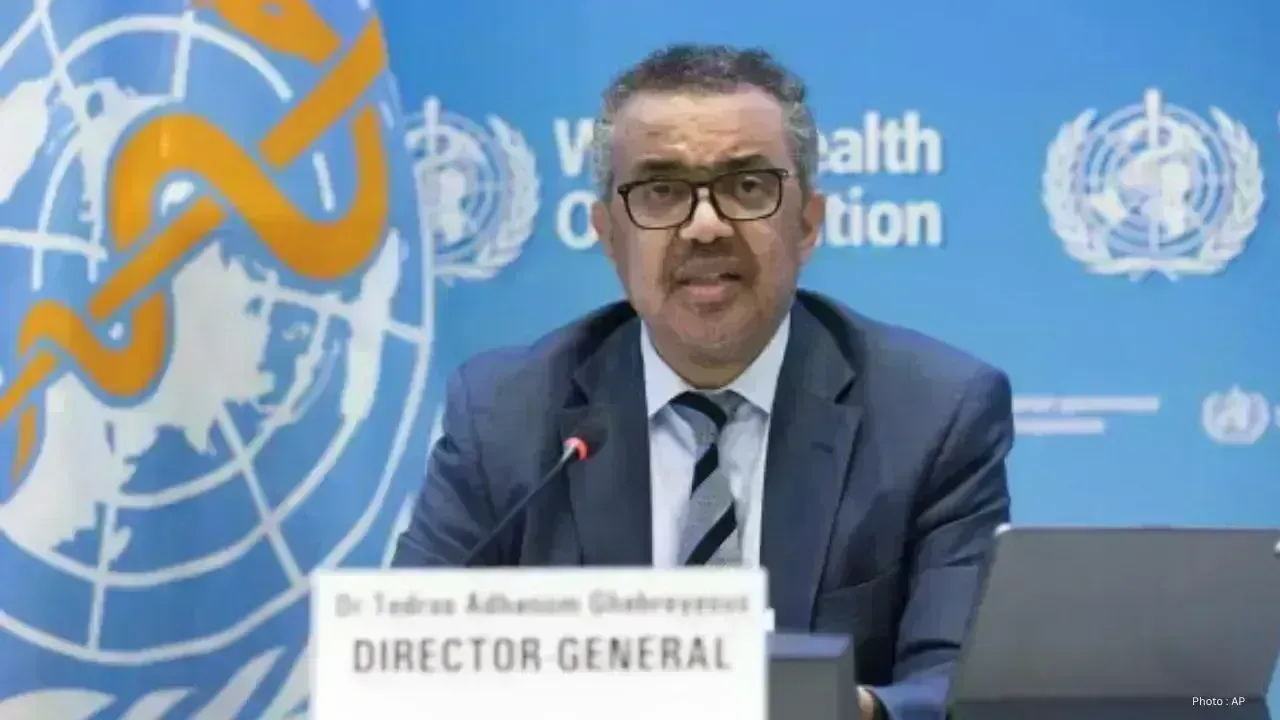
The World Health Organization (WHO) has issued a grave warning regarding the swift advancement of the Ebola outbreak in the Democratic Republic of Congo (DRC), noting that emergency response initiatives are being outpaced by the virus's spread. WHO Director-General Tedros Adhanom Ghebreyesus indicated that authorities have accounted for over 220 suspected deaths connected to the outbreak, with the number of infections also on the rise across the affected regions.
Concentrated primarily in the eastern areas of the DRC, particularly in Ituri and North Kivu provinces, health professionals cite a lack of timely case detection as a key factor enabling the virus to proliferate before effective response teams could act. WHO representatives acknowledged the overwhelming situation, stating that containment measures are currently lagging behind the epidemic's rapid growth, rendering the situation particularly critical.
Recent statistics from global health organizations reveal that the DRC now has more than 900 suspected cases of Ebola, which includes over 100 confirmed infections in laboratories. Neighboring Uganda has also reported linked cases following cross-border movements from Congo, raising alarms about the potential for regional spread throughout Central and East Africa.
This emerging outbreak is attributed to the rare Bundibugyo strain of the Ebola virus, presenting unique challenges for public health authorities. Unlike some variants, there is currently no recognized vaccine or targeted treatment available for Bundibugyo Ebola. Medical teams are primarily utilizing supportive methods such as hydration and emergency medical interventions to assist affected individuals.
According to WHO officials, ongoing conflicts, safety concerns, and public skepticism in eastern Congo significantly complicate response measures. Violent clashes in several affected locales have undermined healthcare infrastructures and hindered the mobility of medical staff. Reports indicate that certain treatment centers have been assaulted by agitated crowds suspicious of healthcare providers or opposing safety protocols related to Ebola funerals and quarantines.
An alarming incident transpired at the Mongbwalu General Referral Hospital, where treatment tents supported by Médecins Sans Frontières (MSF) were set ablaze amid violent disturbances. Several Ebola patients reportedly escaped during these incidents, heightening fears of increased community transmission. Health authorities cautioned that unrestricted movement of infected individuals could lead to an accelerated spread of the virus in nearby towns and villages.
Director-General Tedros emphasized the urgent need for neighboring nations to enhance surveillance and border checks to minimize the risk of cross-border transmission. Given the significant threat posed by possible international spread, the WHO has already classified the outbreak as a Public Health Emergency of International Concern.
In response, several countries are reassessing their emergency preparedness strategies. Indian health officials recently convened to evaluate airport screening and medical readiness for international travelers suspected of carrying Ebola. Similarly, various nations in both Africa and Europe have ramped up health monitoring protocols in light of the outbreak announcements.
Medical professionals continue to assert that Ebola remains one of the most lethal infectious diseases globally, transmitting through direct contact with infected bodily fluids and resulting in severe symptoms such as high fever, weakness, vomiting, and internal bleeding. Historical Ebola outbreaks in Africa have claimed thousands of lives and created significant humanitarian crises.
International humanitarian organizations are now advocating for additional funding, medical supplies, and security assistance to fortify efforts in controlling the outbreak before it escalates further. WHO representatives underscored the urgency of strengthening response operations, warning that the epidemic is poised to continue its rapid expansion unless immediate actions are implemented. Health experts suggest that the next few weeks will be pivotal in determining if the outbreak can be effectively curbed or if it will spiral into a more extensive regional crisis.






Anticipated Dates for UAE Eid Al Adha 2026 Unveiled by Astronomical Experts
Experts predict Eid Al Adha 2026 in the UAE to start on May 27, prompting early holiday planning amo

DAE Achieves Remarkable Growth in Q1 2026 With Record Revenue
Dubai Aerospace Enterprise announces impressive financial results for Q1 2026, reflecting a surge in

Price Increase for Sony PS5 in Southeast Asia Effective May 1
Sony announces a price increase for the PS5 across Southeast Asia starting May 1, 2026, impacting ga

Potential ‘Super El Niño’ in 2026: Understanding the Climate Risks
Could a Super El Niño emerge in 2026? Discover its implications and potential global climate impacts

Global Energy Crisis Intensifies: Markets React to Oil Supply Challenges
Markets are on edge as oil disruptions escalate, influencing prices and economic stability. Explore

Must-See Tourist Spots in London You Can't Overlook
Explore London's essential attractions, from royal landmarks to vibrant markets, ensuring an unforge




