Post by : Shweta
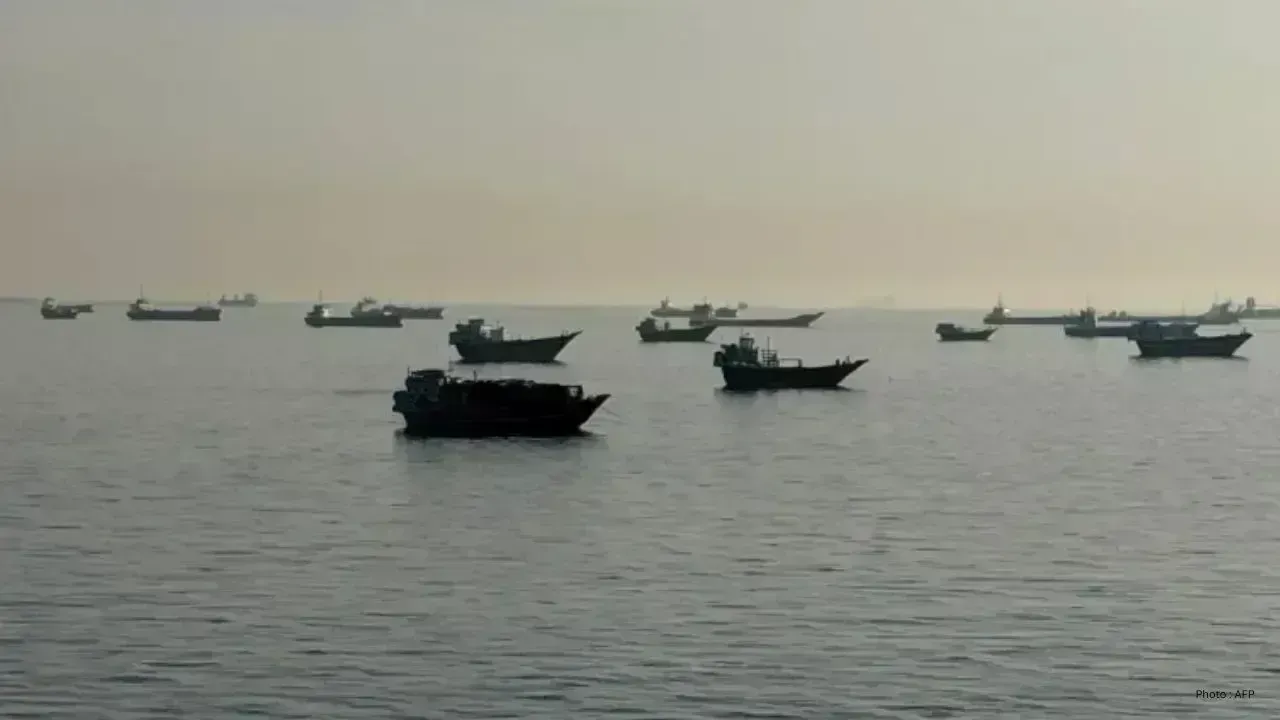
The U.S. military has initiated new strikes on strategic positions in southern Iran while diplomatic discussions between U.S. and Iranian representatives are underway in Qatar. As per U.S. Central Command (CENTCOM), these targeted operations struck missile sites and Iranian vessels suspected of attempting to deploy naval mines in proximity to the vital Strait of Hormuz. American officials characterized these actions as necessary for “self-defense,” aiming to shield U.S. troops and assets in the vicinity.
The operations reportedly focused on critical coastal zones, including areas close to Bandar Abbas, Sirik, and Jask. Iranian media validated reports of explosions in the impacted regions, with suggestions that several members of Iran’s Revolutionary Guard may have incurred fatalities during these strikes. However, Iranian officials condemned the military operations, labeling them a breach of international law amid delicate diplomatic negotiations.
CENTCOM spokesperson Captain Tim Hawkins indicated that U.S. forces acted following observations of Iranian vessels attempting to lay mines in key maritime routes adjacent to the Strait of Hormuz. This strait serves as a crucial channel for global oil shipping, with a significant portion of world energy resources traversing it daily. American authorities expressed fears that the mines could jeopardize international navigations, military crafts, and commercial oil shipments across the Gulf.
At the same time, high-stakes negotiations unfolded in Doha, where Iranian delegates interacted with Qatari mediators and indirect American representatives to deliberate a potential agreement aimed at mitigating ongoing military tensions. Reports indicated that Iran’s Foreign Minister Abbas Araghchi and senior officials were engaged in these discussions, while the U.S. sought broader security arrangements related to Iran’s nuclear initiatives and military activities in the region.
Despite the military escalation, U.S. President Donald Trump remarked that the negotiations with Tehran are still “going well.” American officials assured that the strikes were limited defensive maneuvers and not indicative of the collapse of diplomatic efforts. Secretary of State Marco Rubio affirmed that diplomacy would persist while ensuring the safety of U.S. forces and maritime channels.
This latest confrontation comes during a tenuous ceasefire, initially established in April after months of heightened troop tensions between Iran, the U.S., and Israel. Although large-scale confrontations have diminished, severe tensions endure in the Middle East due to repeated military actions, drone strikes, naval skirmishes, and discord regarding Iran’s nuclear agenda.
One of the most contentious issues in the negotiations is Iran's stockpile of highly enriched uranium. President Trump has reiterated demands for Iran to either transfer this material to the U.S. or eliminate it under international scrutiny. Conversely, Iran maintains resistance against such demands, asserting that its nuclear developments are for peaceful purposes and a matter of national sovereignty.
Further, discussions in Qatar are reportedly concentrating on securing the Strait of Hormuz, which has faced numerous threats throughout the conflict. Global energy markets remain acutely sensitive to instability in this region, as disruptions in Gulf shipping instantly impact oil prices and trade routes. Following news of the recent strikes, oil markets reflected anxiety as investors kept a vigilant watch on evolving circumstances.
Iranian officials cautioned that continued American military actions could erode trust in negotiations, exacerbating regional instability. Tehran criticized Washington for executing strikes while professing support for diplomatic resolutions. Some Iranian leaders noted that peace efforts are unlikely to succeed if military pressure continues alongside negotiations.
International observers underscore that the situation is perilously unstable as both parties attempt to manage diplomacy alongside military pressures. Analysts predict that upcoming days could be pivotal in determining whether the talks in Qatar might culminate in a broader agreement or if tensions in the Gulf will escalate further. Despite ongoing discussions, the latest strikes underline the formidable risks of a significant escalation once again in the Middle East.





Anticipated Dates for UAE Eid Al Adha 2026 Unveiled by Astronomical Experts
Experts predict Eid Al Adha 2026 in the UAE to start on May 27, prompting early holiday planning amo

DAE Achieves Remarkable Growth in Q1 2026 With Record Revenue
Dubai Aerospace Enterprise announces impressive financial results for Q1 2026, reflecting a surge in

Price Increase for Sony PS5 in Southeast Asia Effective May 1
Sony announces a price increase for the PS5 across Southeast Asia starting May 1, 2026, impacting ga

Potential ‘Super El Niño’ in 2026: Understanding the Climate Risks
Could a Super El Niño emerge in 2026? Discover its implications and potential global climate impacts

Global Energy Crisis Intensifies: Markets React to Oil Supply Challenges
Markets are on edge as oil disruptions escalate, influencing prices and economic stability. Explore

Must-See Tourist Spots in London You Can't Overlook
Explore London's essential attractions, from royal landmarks to vibrant markets, ensuring an unforge




