Post by : Monika
Egypt has announced a major international summit in the Red Sea city of Sharm el-Sheikh to bring together over 20 world leaders, including U.S. President Donald Trump, to finalize an agreement aimed at ending the war in Gaza.
The summit, scheduled for Monday, October 14, 2025, is expected to focus on turning a fragile ceasefire into a longer-term peace plan while addressing the humanitarian crisis in Gaza.
Egypt has long played a key role as a mediator in the Israeli-Palestinian conflict. By hosting this summit, Cairo is signaling its leadership in coordinating international support, reconstruction, and security arrangements. Experts say that successful negotiations at Sharm el-Sheikh could provide hope for millions of civilians who have suffered during the recent conflict.
Who Will Attend the Summit
The summit is set to include leaders and representatives from more than 20 countries, as well as international organizations. President Trump and Egyptian President Abdel Fattah el-Sisi will co-chair the event, with the United Nations Secretary-General, leaders from the United Kingdom, France, Italy, and several Arab nations expected to attend.
Notably, the two primary parties of the conflict—Israel and Hamas—will not attend directly. Reports indicate that both sides will coordinate with mediators through delegates rather than participating in person. Despite their absence, organizers hope the summit will lay the foundation for commitments that the parties will later accept and implement.
Purpose and Goals of the Summit
The Sharm el-Sheikh summit has several clear objectives:
Finalize the Gaza Peace Agreement: The first phase of a U.S.-brokered ceasefire has reduced immediate violence, but the summit aims to make the terms more permanent and actionable.
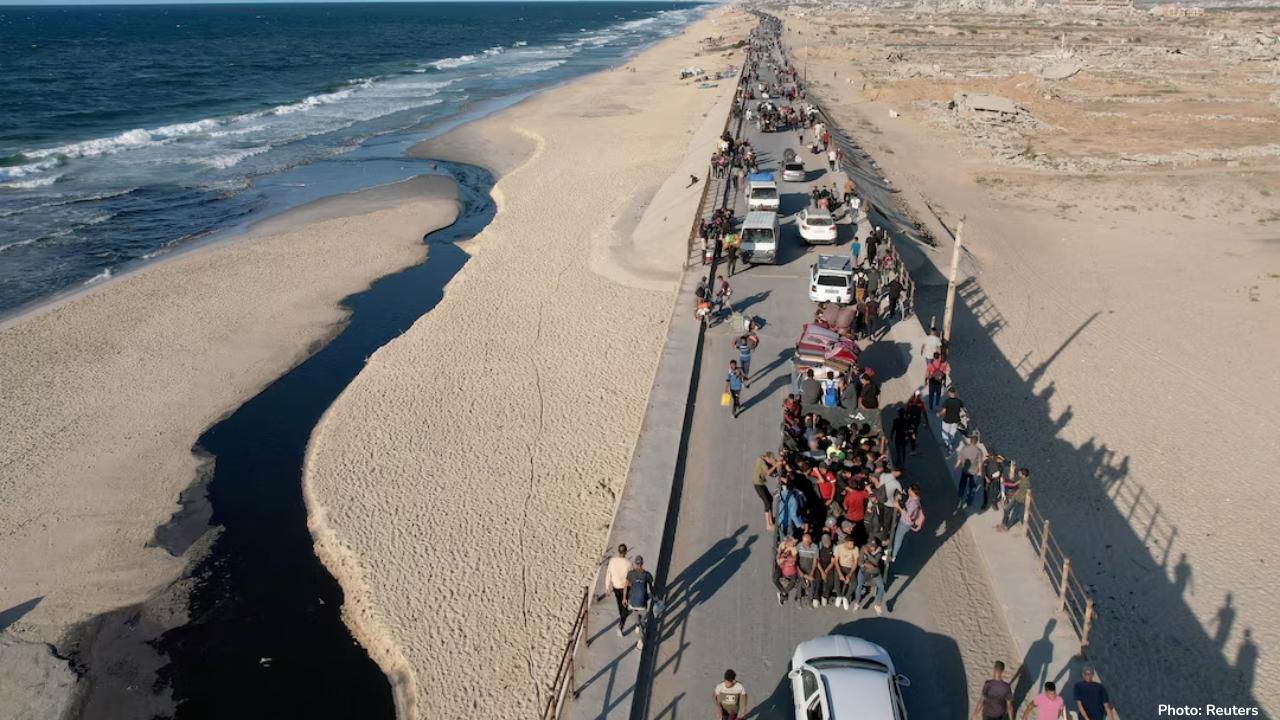
Plan Reconstruction: Gaza has endured massive destruction, with homes, hospitals, schools, and public infrastructure heavily damaged. The summit seeks to map out how reconstruction funds and projects will be allocated.
Ensure Governance and Security: Establishing effective governance in Gaza and planning for security, troop withdrawals, and disarmament are key discussions.
Coordinate Humanitarian Support: Millions of Gazans are in need of food, water, medicine, and other basic services. International donors and aid organizations will be asked to pledge support.
The summit’s agenda also includes establishing a 20-point peace framework, which covers reconstruction, governance, humanitarian aid, and monitoring compliance. Delegates are expected to discuss funding mechanisms, international supervision, and steps to prevent renewed fighting.
Challenges Facing the Summit
Despite the careful planning, several challenges could limit the summit’s effectiveness:
Absence of Israel and Hamas: Without direct participation from the main parties, enforcing agreements may be difficult. Mediators must convince both sides to honor commitments made in their absence.
Verification and Compliance: Monitoring troop withdrawals, disarmament, and security arrangements will require independent observers to ensure both sides follow through.
Funding Reconstruction: Gaza will require billions of dollars to rebuild. Disagreements over financing, project oversight, and aid distribution could delay reconstruction.
Long-Term Governance: Decisions about how Gaza will be governed, including elections, leadership, and legal structures, are politically sensitive and may spark disputes.
Fragile Peace: Even minor violations of the ceasefire could reignite violence, undermining the summit’s work.
Analysts caution that while the summit may achieve symbolic and procedural successes, the real test will be whether civilians see tangible improvements in safety, services, and daily life.
Recent Developments in Gaza
Importance of the Summit
The Sharm el-Sheikh summit carries global significance:
Shows International Commitment: By bringing world leaders together, Egypt demonstrates that the international community is invested in ending the Gaza conflict.
Turns Temporary Ceasefire into Policy: The summit can help ensure that the ceasefire evolves into longer-term agreements on governance, security, and reconstruction.
Mobilizes Financial Support: Countries attending the summit are expected to pledge funds and resources for Gaza’s rebuilding.
Pressures Conflict Parties: Excluding Israel and Hamas directly may push both to accept the final terms negotiated by global leaders.
Provides Hope to Civilians: For the people of Gaza, the summit represents a chance for real change, from safer neighborhoods to restored infrastructure and services.
Egypt’s leadership in convening this summit also enhances its diplomatic standing, showing that it can serve as a neutral mediator in the region.
Local Reactions in Gaza
Regional and International Perspectives
Historical Context
Quotes from Leaders and Experts
Amal Naser, a Palestinian advocate, said: “This summit is a chance for the world to turn words into action. We hope to see real improvements in our lives, not just headlines.”
James Walker, a Middle East analyst, noted: “The summit is a significant step, but its success depends on whether Israel and Hamas respect the agreements negotiated behind closed doors.”
Egyptian Foreign Ministry statement: “Egypt is committed to facilitating dialogue, supporting reconstruction, and ensuring that peace becomes durable for all parties involved.”
Next Steps After the Summit
The Sharm el-Sheikh summit represents one of the most significant international efforts to stabilize Gaza in recent years. By convening world leaders, including Donald Trump, Egypt aims to finalize the peace agreement, coordinate reconstruction, and set up long-term governance and security arrangements.
While challenges remain—including the absence of Israel and Hamas, verification of compliance, and financing reconstruction—the summit provides hope for civilians who have endured immense suffering. The eyes of the world are on Sharm el-Sheikh, as leaders attempt to turn a fragile ceasefire into lasting peace, safety, and recovery for the people of Gaza.
The success of this summit could serve as a model for conflict resolution in other regions, emphasizing the importance of diplomacy, international collaboration, and humanitarian focus in resolving long-standing crises.








DAE Achieves Remarkable Growth in Q1 2026 With Record Revenue
Dubai Aerospace Enterprise announces impressive financial results for Q1 2026, reflecting a surge in

Price Increase for Sony PS5 in Southeast Asia Effective May 1
Sony announces a price increase for the PS5 across Southeast Asia starting May 1, 2026, impacting ga

Potential ‘Super El Niño’ in 2026: Understanding the Climate Risks
Could a Super El Niño emerge in 2026? Discover its implications and potential global climate impacts

Global Energy Crisis Intensifies: Markets React to Oil Supply Challenges
Markets are on edge as oil disruptions escalate, influencing prices and economic stability. Explore

Must-See Tourist Spots in London You Can't Overlook
Explore London's essential attractions, from royal landmarks to vibrant markets, ensuring an unforge

Ultimate Guide to Snagging Cheap Flights in 2026
Unlock the secrets to booking affordable flights in 2026 with insightful tips and strategies tailore




