Post by : Anees Nasser
Comfort has long dictated modern life, as we design our environments to eliminate discomfort. While effective, this retreat from stress has inadvertently weakened our resilience.
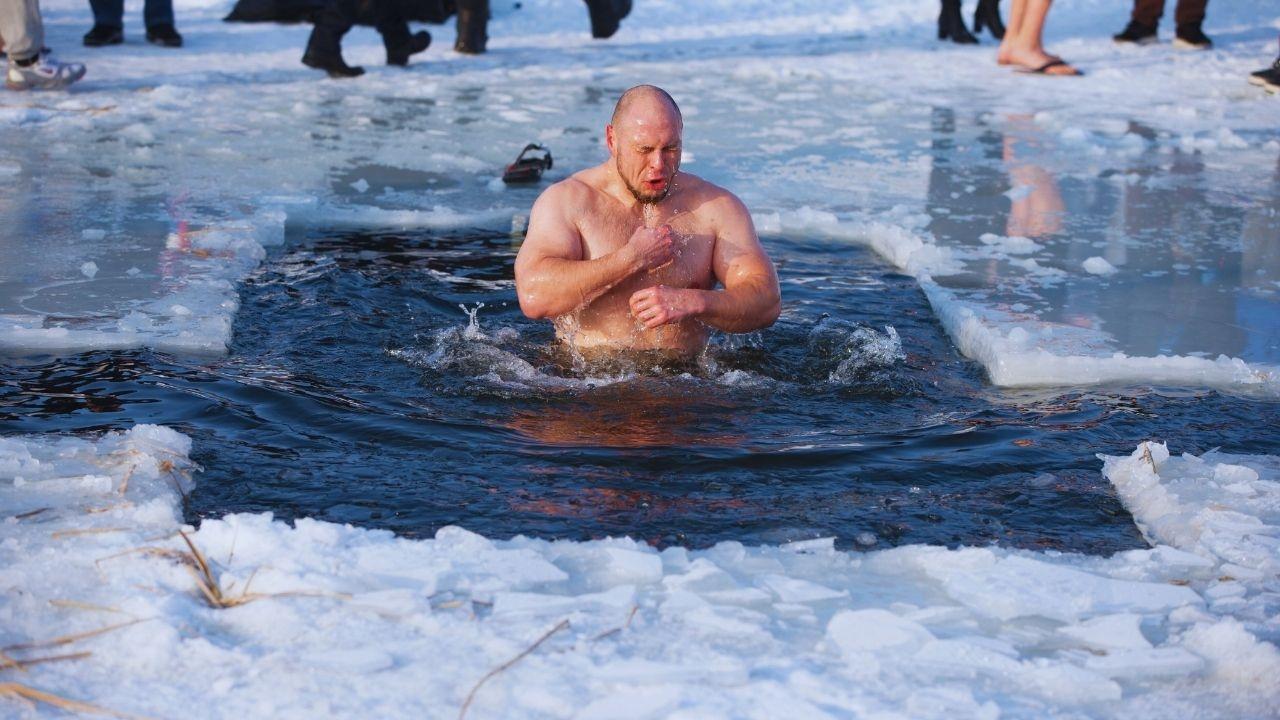
Now, a global wellness movement is shifting focus. Individuals are willingly immersing themselves in ice baths, plunging into frigid rivers, enjoying wooden saunas, stepping on morning dew, and adopting thermal shock practices. These intermittent exposure therapies are not forms of punishment; they are training methodologies that reintroduce natural stressors to rejuvenate the body's adaptive capabilities.
At the core of these practices is a simple idea: manageable doses of discomfort enhance our physical and emotional strength. Humanity is learning not to shy away from nature's extremes, but to engage with them once more.
While modern life offers comfort, it also breeds burnout, anxiety, and diminished physical resilience. Human evolution occurred in environments that posed challenges—cold rivers, hot sun, and varied climates. An overly comfortable existence leads to an overstimulated mind and an under-stimulated nervous system.
Engaging with cold and heat helps restore balance, providing benefits such as:
– a respite from digital noise
– mastery over body and breath
– emotional clarity through physical reset
– enhanced presence in the moment
– empowerment through stress mastery
People are shifting from seeking comfort to embracing conscious challenges.
Cold-water immersion has emerged as a global phenomenon. Be it Nordic ice dips, Himalayan river baths, or modern cryotherapy, what draws individuals to icy waters? A profound biological response.
The effects of cold include:
– increased endorphin release
– heightened alertness due to adrenaline
– improved circulation
– stronger immune response
– reduced inflammation
– enhanced metabolism
– greater mental clarity and calmness post-exposure
Participants express a transformative experience: initial shock, followed by surrender, culminating in euphoria. Cold exposure becomes a form of meditation, serving as a reset for the nervous system.
While cold invigorates, heat offers relaxation. Saunas, steam rooms, thermal baths, and various sweat rituals abound in cultures worldwide—Nordic, Turkish, Japanese, and more.
Heat exposure fosters:
– intense detoxification through perspiration
– cardiovascular benefits
– muscle relaxation and pain relief
– respiratory clearing
– emotional release
– improved sleep and activation of the parasympathetic nervous system
Heat encourages surrender rather than shock, providing moments of silence and deep breaths.
Combined, cold and heat create a harmonious wellness dynamic—one sharpens, the other soothes.
The wellness community is rallying around hormesis, advocating exposure to manageable stress for enduring strength. Examples include:
– intermittent fasting
– breath-holding exercises
– short bursts of high-intensity workouts
– mindful sun exposure
Both cold and heat therapies reflect this beneficial stress principle.
When the body encounters balanced challenges, it emerges more robust than before.
Controlled breathing has become essential in cold and heat practices. Breath regulation aids in managing fear, enhances focus, calms anxiety, and fosters inner peace, effectively training emotional resilience. Through ancient pranayama and modern methods, breath serves as the bridge to transform extreme exposure into an inward journey rather than a struggle.
Managing discomfort through breath empowers individuals to face life’s challenges.
While cold and heat exposure are primarily physical exercises, the true transformation lies in mental strength:
– confronting anxiety with calmness
– maintaining focus during stress
– mastering emotional control
– cultivating courage
– discovering patience amidst intensity
Participants often remark:
“If I can remain calm in the cold, I can handle anything.”
Here, the body evolves into a classroom and the mind takes on the role of a diligent student.
Modern stress frequently manifests physically—tense shoulders, clenched jaws, shallow breathing. The shock of cold stimulates the nervous system, while heat alleviates physical tension. Many report emotional releases following their sessions—quiet tears, sudden laughter, and profound gratitude.
This isn’t a sign of weakness; it’s a powerful cleansing experience.
Mental wellness now encompasses more than meditation and journaling; it incorporates embracing sensation, breath, and primal connections.
Ice baths and sauna rituals are evolving into communal experiences. Groups gather at various locations—beaches, rooftops, and wellness studios—to engage in these practices together, fostering community through shared challenges.
Modern connections arise from collective growth rather than comfort. Cold and heat sessions forge bonds that transcend traditional interaction, knotted by breath and breakthrough.
This transcends fitness—it’s a rebirth of human connection.
This trend isn't confined to rural or spiritual landscapes. Urban wellness centers now offer:
– thermal contrast therapies
– guided ice-bath gatherings
– sauna meditative circles
– rooftop water plunges
– breath-and-cold bootcamps
– integrated spa experiences
Urban stress encounters primal therapies, blending silence with stimulation. The old intertwines with contemporary designs.
Wellness has evolved into both ritual and lifestyle.
An increasing number of individuals are weaving small thermal habits into their daily lives:
– cold showers
– alternating hot-cold water
– ocean dives at sunrise
– backyard ice baths
– steam room use
– sauna clubs
It’s not about intensity; it’s about consistency. A few minutes daily evolves into a lifelong commitment.
Just as morning runs shaped previous fitness trends, morning plunges are becoming the cornerstone for wellness enthusiasts.
Engaging with cold and heat connects individuals with elemental forces—water, fire, breath, and earth. This experience grounds us within nature's extremes. Spiritual practitioners note:
– the ego quiets
– surrendering to nature's might
– deeper appreciation for life
– a revitalized sense of presence
– shifts in energy
In extreme temperatures, façades dissolve, revealing the authentic self.
While potent, these practices require careful, mindful application. Gradual exposure, adequate hydration, awareness of medical history, breath control, and proper instruction for beginners ensure both enjoyment and safety.
Listening to one’s body is crucial; this journey is not a competition.
The focus is self-respect, not self-punishment.
Intermittent exposure therapy signifies more than a trend—it’s a return to ancient wisdom. It emphasizes that the body flourishes through challenges, the mind grows through presence, and the spirit awakens in the face of comfort.
Cold clarifies the mind.
Heat comforts the soul.
Breath centers the heart.
In a world constructed for comfort, we are rediscovering the transformative power of challenges—not as burdens but as growth opportunities. Wellness is evolving from mere escape from stress to mastering it.
The future of health may not lie solely in gyms and diets; it may reside in nature—breath, ice, warmth, wind, and the ability to find calm in the midst of it all.
This article serves as informational content. Cold-heat exposure might not be appropriate for all. It’s advised that individuals with health conditions consult a healthcare professional before commencing any exposure practices. Always progressively build tolerance while following safe practices.










DAE Achieves Remarkable Growth in Q1 2026 With Record Revenue
Dubai Aerospace Enterprise announces impressive financial results for Q1 2026, reflecting a surge in

Price Increase for Sony PS5 in Southeast Asia Effective May 1
Sony announces a price increase for the PS5 across Southeast Asia starting May 1, 2026, impacting ga

Potential ‘Super El Niño’ in 2026: Understanding the Climate Risks
Could a Super El Niño emerge in 2026? Discover its implications and potential global climate impacts

Global Energy Crisis Intensifies: Markets React to Oil Supply Challenges
Markets are on edge as oil disruptions escalate, influencing prices and economic stability. Explore

Must-See Tourist Spots in London You Can't Overlook
Explore London's essential attractions, from royal landmarks to vibrant markets, ensuring an unforge

Ultimate Guide to Snagging Cheap Flights in 2026
Unlock the secrets to booking affordable flights in 2026 with insightful tips and strategies tailore




