Post by : Saif Nasser
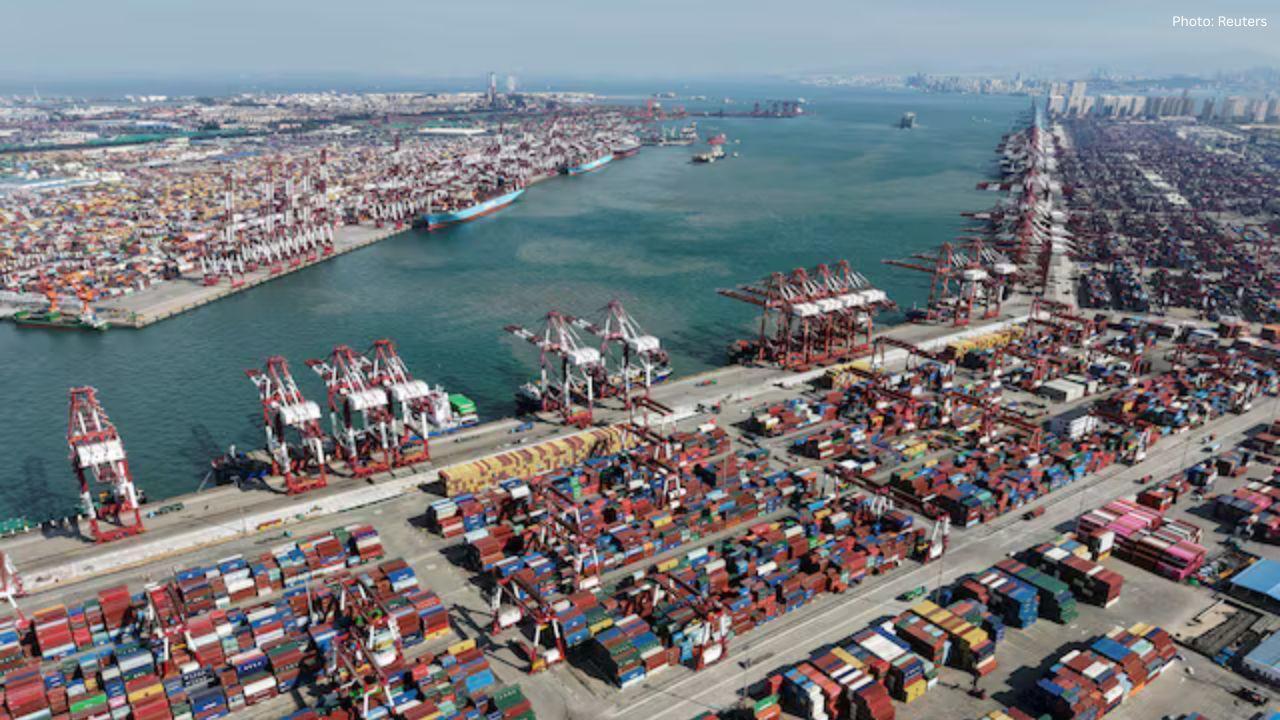
China has announced that it will lower import tariffs on a range of products starting in 2026. The move is part of a broader effort to support domestic industries, improve access to key materials, and reduce costs for important medical goods.
According to a statement released on Monday by the Customs Tariff Commission of the State Council, the tariff cuts will apply to hundreds of products. These changes will take effect next year and will cover both industrial materials and healthcare-related items.
One major focus of the new policy is resource-based commodities. China said it will reduce import duties on recycled black powder used in lithium-ion batteries. This material is important for making batteries used in electric vehicles, smartphones, and energy storage systems. By lowering tariffs, China aims to support its fast-growing battery industry while also encouraging recycling and sustainable use of resources.
The tariff cuts will also apply to several medical products. These include artificial blood vessels and diagnostic kits used to detect certain infectious diseases. Lower import taxes on these items could help hospitals and clinics reduce costs and improve patient care. It may also make advanced medical tools more widely available across the country.
In total, China will apply provisional import tariff rates to 925 products. These rates will be lower than the standard “most-favoured-nation” tariffs that China applies to goods from World Trade Organization member countries. Provisional rates are often used by China to support specific policy goals, such as boosting innovation, securing supply chains, or protecting public health.
Experts say the decision reflects China’s efforts to balance economic growth with long-term planning. By easing tariffs on key materials and medical goods, the government can help manufacturers lower production costs and stay competitive. At the same time, cheaper medical imports can ease pressure on the healthcare system.
The move may also have an impact beyond China. Lower tariffs can encourage more trade with global suppliers, including companies that produce battery materials and medical equipment. This could strengthen China’s trade ties while supporting global supply chains.
As the world economy remains uncertain, China’s tariff adjustments signal a careful and targeted approach. Rather than broad cuts, the country is focusing on areas that support clean energy, technology development, and public health. Starting in 2026, these changes are expected to play a small but meaningful role in shaping China’s trade and industrial policies.










DAE Achieves Remarkable Growth in Q1 2026 With Record Revenue
Dubai Aerospace Enterprise announces impressive financial results for Q1 2026, reflecting a surge in

Price Increase for Sony PS5 in Southeast Asia Effective May 1
Sony announces a price increase for the PS5 across Southeast Asia starting May 1, 2026, impacting ga

Potential ‘Super El Niño’ in 2026: Understanding the Climate Risks
Could a Super El Niño emerge in 2026? Discover its implications and potential global climate impacts

Global Energy Crisis Intensifies: Markets React to Oil Supply Challenges
Markets are on edge as oil disruptions escalate, influencing prices and economic stability. Explore

Must-See Tourist Spots in London You Can't Overlook
Explore London's essential attractions, from royal landmarks to vibrant markets, ensuring an unforge

Ultimate Guide to Snagging Cheap Flights in 2026
Unlock the secrets to booking affordable flights in 2026 with insightful tips and strategies tailore




