Post by : Saif Nasser
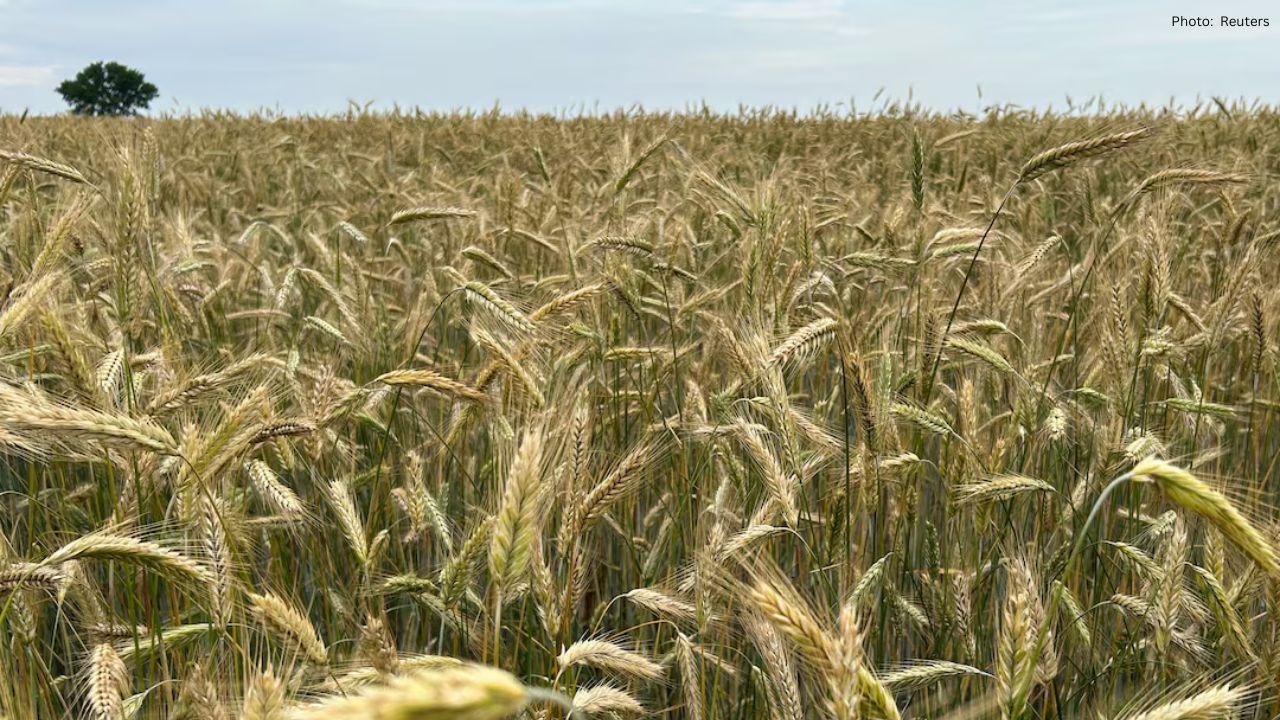
Across western Canada, farmers are proving that even harsh weather does not always mean poor harvests. Despite years of droughts, floods, and unpredictable climate conditions, many Canadian farmers are now producing record crops. Their success is not based on luck, but on careful planning, new technology, and steady changes in how they farm their land.
In the small farming town of Wawanesa in Manitoba, fourth-generation farmer Simon Ellis expected his crops to fail this year. Flooding early in the season was followed by a long dry spell, conditions that would normally damage crops badly. Instead, Ellis watched healthy wheat, oats, and soybeans fill his combine. He credits this success to years of investment in soil protection, modern drainage systems, slow-release fertilizers, and professional advice on crop care.
Farmers like Ellis are changing their methods step by step to adjust to climate change. Many now use minimum or zero-till farming, which means the soil is left mostly untouched. This helps keep moisture in the ground and prevents soil from blowing away. Underground drainage systems help control flooding by guiding excess water below the surface. These changes protect crops during both heavy rain and dry periods.
Government data shows that these efforts are working. Canada announced record harvests of spring wheat and canola in 2025. Spring wheat yields have increased by more than 70% compared to 30 years ago, while canola yields have nearly doubled. These gains are important not just for Canada, but for the world, because most Canadian grain is exported and helps keep global food prices affordable.
Western Canada has always been a challenging place to farm. The region receives much less rainfall than many major farming areas and has a short growing season. Climate change has made conditions even tougher, with more heat, sudden floods, and long dry spells. Still, farmers are finding ways to stay ahead of these problems.
Experts say these gains are not miracles. They come from small but steady improvements over time. Better seeds now resist pests and disease. Fertilizers are placed more carefully to protect the soil. Modern machines use satellite data to apply water and chemicals only where needed. Some farmers also use older ideas, such as growing more than one crop in the same field, to improve soil health.
The Mowbray family in Manitoba shows how farming has evolved over decades. They began installing drainage pipes in their fields more than 40 years ago and slowly moved to no-till farming. Today, their land produces nearly twice the crops it once did, even with less rain. Standing crop stubble protects the soil and traps moisture, helping plants survive harsh weather.
However, this progress comes at a high cost. Modern farming equipment can cost millions of dollars. While precision technology saves fuel, water, and chemicals, many farmers struggle to afford these tools. Poor internet and mobile coverage in rural areas also make it harder to use digital farming systems fully.
Another quiet but powerful force behind higher yields is seed science. New crop varieties are being developed to grow faster, resist drought, and produce more food. Researchers are testing new crops like camelina and mustard that may offer farmers better resilience and new markets in the future.
Not every farmer will benefit equally. Some may choose not to adapt, while others may try and still fail. But many are showing that with the right tools, knowledge, and support, farming can survive and even thrive in a changing climate.
The experience of Canadian farmers sends a clear message. Climate change is a serious threat, but smart adaptation, science, and long-term thinking can help protect food supplies and rural livelihoods for years to come.







DAE Achieves Remarkable Growth in Q1 2026 With Record Revenue
Dubai Aerospace Enterprise announces impressive financial results for Q1 2026, reflecting a surge in

Price Increase for Sony PS5 in Southeast Asia Effective May 1
Sony announces a price increase for the PS5 across Southeast Asia starting May 1, 2026, impacting ga

Potential ‘Super El Niño’ in 2026: Understanding the Climate Risks
Could a Super El Niño emerge in 2026? Discover its implications and potential global climate impacts

Global Energy Crisis Intensifies: Markets React to Oil Supply Challenges
Markets are on edge as oil disruptions escalate, influencing prices and economic stability. Explore

Must-See Tourist Spots in London You Can't Overlook
Explore London's essential attractions, from royal landmarks to vibrant markets, ensuring an unforge

Ultimate Guide to Snagging Cheap Flights in 2026
Unlock the secrets to booking affordable flights in 2026 with insightful tips and strategies tailore




