Post by : Mina Rahman
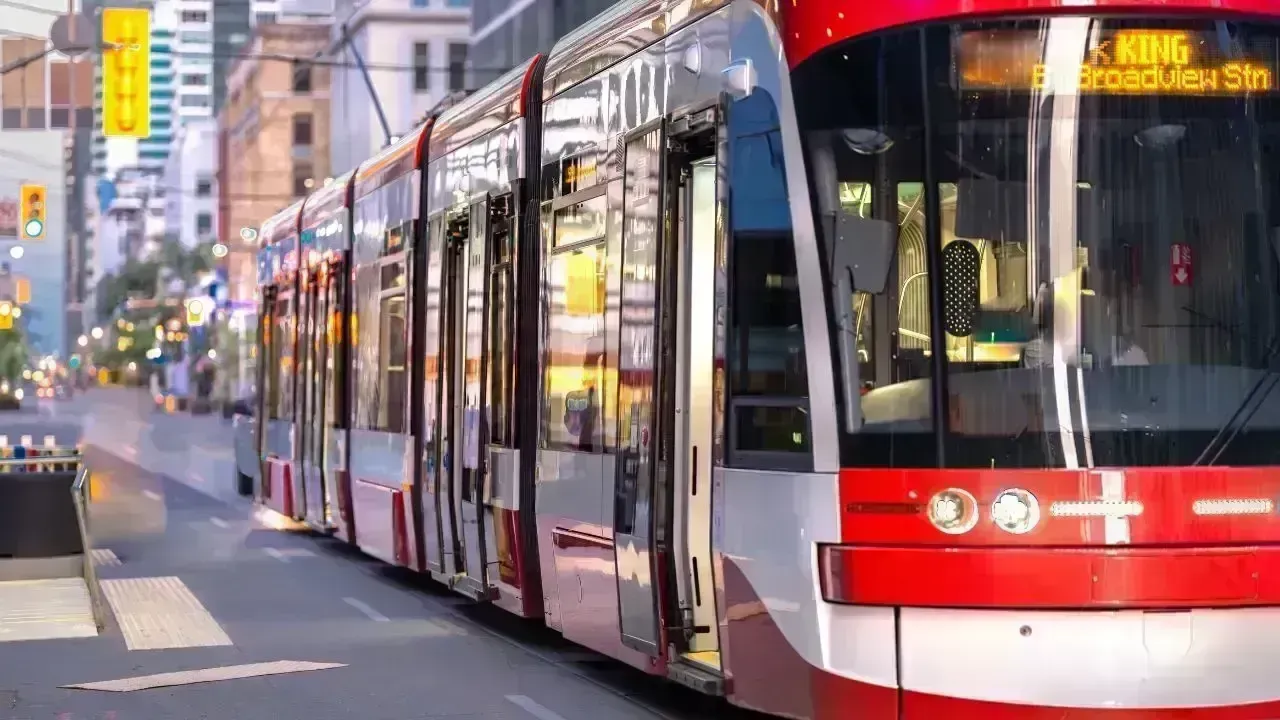
Calgary Transit is expected to receive an increase in funding as part of the proposed city budget for the coming year. However, transit officials express concerns that this amount is insufficient to meet the anticipated service enhancements that residents desire.
In discussions at city hall, transit leaders revealed plans for the operational budget to rise to $417 million in 2025, along with an additional $59 million earmarked for 2026, encompassing both operations and capital investments.
Mayor Jeromy Farkas expressed that Calgary's transit services are overstretched, stating, “We have a lot of bread and not enough butter,” emphasizing the need for increased investment.
A significant component of the new budget includes $14 million dedicated to improving the frequency of major bus routes. This marks the initial step toward the comprehensive RouteAhead plan, which aspires to provide bus service every 10 minutes for at least 15 hours daily throughout the week.
Transit director Sharon Fleming acknowledged that while the added funding is beneficial, it falls short of the annual recommendations outlined in the plan. She highlighted that the proposal does not account for the $45 million yearly funding necessary for expanding the bus fleet in the next decade. Without sufficient buses, increasing service levels may prove challenging.
The planned enhancements are expected to primarily benefit the busy primary routes. However, neighborhood routes—termed the “base network”—will not experience any modifications under this budget allocation. Ward 4 Councillor DJ Kelly expressed disappointment, underscoring the importance of reliable local transport for numerous passengers.
Presentations to council indicated that Calgary receives significantly less provincial support for transit initiatives compared to cities like Toronto and Vancouver. Experts noted that most provinces provide direct operating funding to sustain transit services, a practice not seen in Alberta.
Some council members proposed cost-saving measures, such as abolishing the downtown free fare zone and discontinuing free rides for children under 12, which collectively incur annual costs of about $10 million. There were also recommendations to increase adult fares to $4 to boost revenue.
The budget also allocates $25 million in one-time funding from reserves for the Low Income Transit Pass, bringing the program's total expenditure to over $50 million for the upcoming year.
Mayor Farkas stated his intention to seek additional support from governmental bodies while continuing efforts to enhance reliability and safety for transit users.
Next year, adult fares are scheduled to rise by 10 cents, equating to a 2.6 percent increase.







BAFTA Unveils Shortlist of Five Rising Stars for Public-Voted Award
The BAFTA Rising Star Award features five promising actors, each recognized for their standout perfo

Scott Robertson Departs as All Blacks Head Coach Following Performance Evaluation
Scott Robertson steps down as All Blacks coach after a review, ending his tenure amid mixed results

Afghanistan Imposes Restrictions on Rashid Khan's International League Engagements
Afghanistan Cricket Board limits international league involvement for key players to enhance fitness

Strengthening Regional Security: Philippines and Japan Forge Defence Agreements
Philippines and Japan finalize significant defence pacts, enhancing military cooperation amid South

Bounou's Brilliance Sends Morocco to AFCON Final Against Senegal
Morocco triumphs over Nigeria 4-2 in penalties, advancing to the AFCON final with goalkeeper Yassine

Concerns Emerge Over Worker Conditions at Labubu Doll Factory in China
Labubu doll supplier accused of labor violations, including excessive hours and incomplete contracts