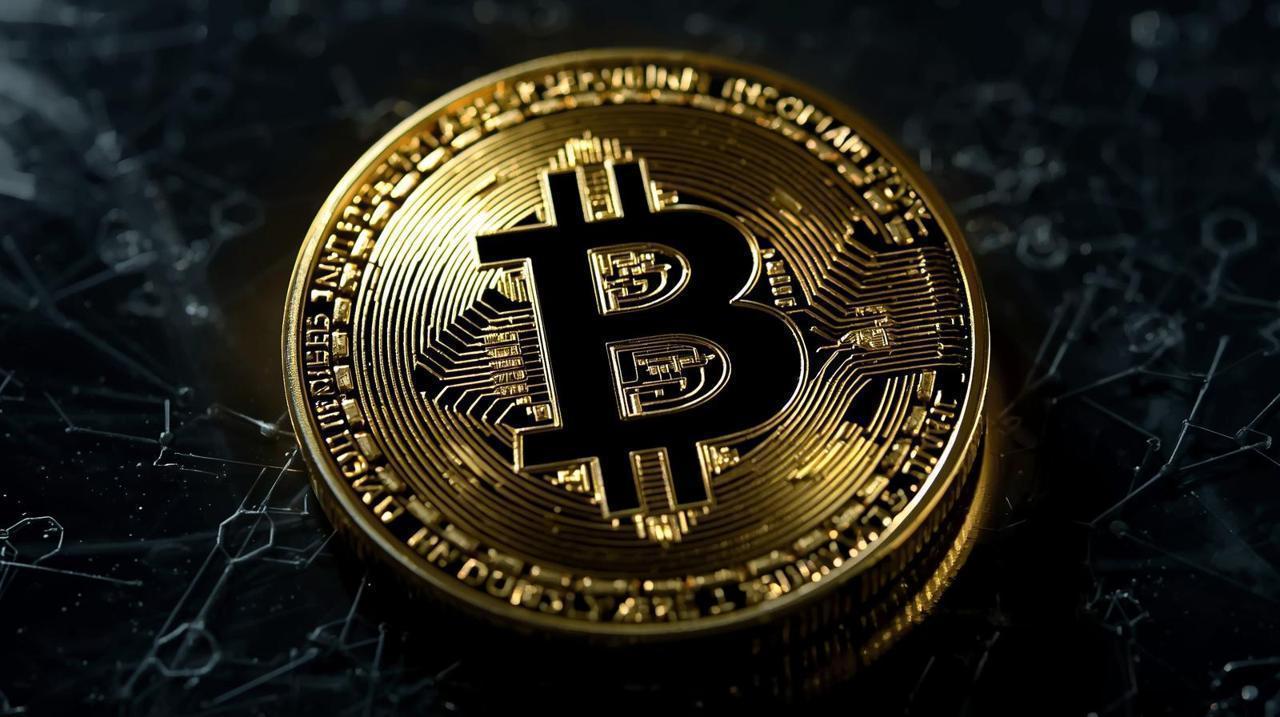
Post by : Sami Jeet
When blockchain first captured global attention it was mostly linked to cryptocurrencies. By 2026, the debate has matured: the important question is not whether the technology matters, but how it is being integrated to establish trust in digital systems across sectors.
From banking halls to hospital records and public registries, blockchain’s role has widened beyond token economies. Below is an analytical look at why the technology continues to matter on a global scale in 2026.
Cryptocurrencies remain one application, but enterprises now deploy blockchain for practical operational uses. Banks and payment providers employ distributed ledgers for cross-border settlement, smart-contract workflows, and digital identity solutions.
Several governments, including the UAE, are investigating or piloting Central Bank Digital Currencies (CBDCs) built on ledger technologies to increase transaction speed, transparency and cost efficiency.
Disruptions in the early 2020s exposed visibility gaps in global logistics. By 2026, blockchain-enabled tracking is widely used to monitor shipments in real time, verify provenance and reduce counterfeit risks.
Whether for perishable foodstuffs or high-value goods, immutable records on a ledger help brands and consumers verify each stage of a product’s lifecycle.
Protecting patient information has become a priority across jurisdictions. Blockchain offers a framework to secure clinical records and permit controlled sharing between patients, clinicians and payers, improving continuity of care.
Institutions in Dubai, Singapore and the United States are integrating ledger systems to reduce administrative burden and improve diagnostic and treatment workflows with verified digital records.
Self-executing agreements have moved into mainstream business practice. Organizations use smart contracts to automate settlements, ensure regulatory compliance and cut intermediary fees.
In real estate, for example, property conveyancing and lease processing are increasingly handled through blockchain-based smart contracts, accelerating transactions and lowering dispute risks.
Governments are adopting ledger technologies rather than merely observing them. Countries such as the UAE and Estonia have applied blockchain to digitise public services, strengthen electoral integrity and protect official records.
Initiatives like the UAE’s Blockchain Strategy 2031 aim to make many governmental transactions paperless and tamper-resistant, setting a model other states examine.
Blockchain’s future is collaborative rather than isolated. In 2026 we see blended ecosystems where AI and IoT leverage ledgers for security and provenance.
AI provides adaptive decisioning capabilities.
IoT creates ubiquitous device connectivity.
Blockchain secures transactions and data exchange.
These integrations underpin developments such as autonomous transport, intelligent urban infrastructure and enhanced logistics visibility—systems that require both reliable data and robust trust mechanisms.
Despite broader adoption, blockchain continues to face hurdles: scalability limitations, energy concerns and evolving regulatory regimes. Nevertheless, technical advances like proof-of-stake (PoS) and layer-2 scaling are improving efficiency and reducing environmental impact.
Policymakers and international organisations are also working toward clearer regulatory frameworks to balance innovation, consumer protection and accountability.
In 2026 blockchain is not merely relevant; it has become a foundational tool for digital trust. What started as an experiment in finance has broadened into infrastructure that supports secure records and automated interactions across sectors.
For business leaders, developers and investors the priority is recognising practical, non-speculative applications and aligning blockchain initiatives with wider digital transformation strategies.









Anticipated Dates for UAE Eid Al Adha 2026 Unveiled by Astronomical Experts
Experts predict Eid Al Adha 2026 in the UAE to start on May 27, prompting early holiday planning amo

DAE Achieves Remarkable Growth in Q1 2026 With Record Revenue
Dubai Aerospace Enterprise announces impressive financial results for Q1 2026, reflecting a surge in

Price Increase for Sony PS5 in Southeast Asia Effective May 1
Sony announces a price increase for the PS5 across Southeast Asia starting May 1, 2026, impacting ga

Potential ‘Super El Niño’ in 2026: Understanding the Climate Risks
Could a Super El Niño emerge in 2026? Discover its implications and potential global climate impacts

Global Energy Crisis Intensifies: Markets React to Oil Supply Challenges
Markets are on edge as oil disruptions escalate, influencing prices and economic stability. Explore

Must-See Tourist Spots in London You Can't Overlook
Explore London's essential attractions, from royal landmarks to vibrant markets, ensuring an unforge




